

Shopify has officially unveiled its Winter 2026 Edition RenAIssance, officially released on 11 December 2025, delivering one of the most forward-looking updates in the platform’s history. Featuring 150+ updates across the platform, this bi-annual Editions release places AI, automation, and agent-driven commerce at the core of Shopify’s ecosystem.
More than just new features, RenAIssance offers a new operating model for merchants and developers where AI collaborates, predicts, builds, and sells alongside you. In this post, we break down the most significant updates in Shopify Winter '26 and explain their practical implications.
What’s new in the Shopify Winter ‘26 edition
Shopify Winter ‘26 introduces major enhancements across AI, storefront discovery, checkout, analytics, operations, and developer tooling. Key highlights include:
-
Shopify’s expanding AI capabilities: A more proactive AI assistant delivering insights, building workflows, generating apps, reports, and even theme edits.
-
Agentic commerce channels: Products become discoverable and purchasable directly inside AI chat platforms like ChatGPT, Copilot, and Perplexity.
-
Built-in testing and rollouts: Improvements to testing, optimisation, and creation, including native Rollouts for A/B testing, SimGym AI simulations, expanded theme capabilities, and more flexible product and collection management.
-
In-store and omnichannel retail operations: Updates focused on in-store reliability and performance, led by the new POS Hub hardware and improved fulfilment status tools for physical and hybrid retail environments.
-
Integrated marketing tools: Enhanced tools for driving engagement and growth, including updates to Shopify Product Network, Campaigns, and messaging that support more targeted and measurable promotion.
-
Checkout and payment improvements: More personalisation, additional payment options, global Shop Pay expansion, and deeper B2B checkout controls.
-
Operations and day-to-day workflows: Workflow and analytics improvements that deliver better inventory visibility, more accurate reporting, stronger order management, and more flexible automation through Shopify Flow.
-
Shop app updates: New discovery and engagement features that surface products and deals in personalised feeds, helping merchants reach customers beyond their own storefronts
-
B2B and wholesale tools: Store credit, pickup in store, ERP integrations, improved price lists, and broader B2B app compatibility.
-
Payments, cash flow, and financial operations: Expanded financial tools that simplify payments, improve cash flow management, and support merchant growth through services like Shopify Payments and Shopify Capital.
-
Fulfilment accuracy and shipping reliability: Shipping updates that improve fulfilment accuracy through expanded carrier support and clearer rate calculations, helping merchants deliver more consistent delivery experiences.
AI-powered commerce with 'Sidekick'
At the heart of Winter 26 is Shopify’s continued investment in AI. Sidekick, the platform’s AI assistant, has become significantly more capable. It helps merchants generate content, create custom workflows, write reports and analytics queries, and complete structured tasks, such as form filling or customer segmentation.
In Winter 26, Sidekick is more than just an assistant. It acts as an embedded partner that guides, streamlines, and accelerates everyday commerce tasks, allowing merchants to focus on strategy and growth rather than repetitive manual work.
Sidekick’s capabilities in Winter 26 include:
-
Proactive insights with Sidekick Pulse: Sidekick now delivers personalised, high‑impact recommendations based on your store data and trends instead of only responding to questions.
-
Conversational app creation: You can describe a custom app you need, and Sidekick will generate it directly in the Shopify admin, turning words into bespoke software.
-
Natural language theme editing: Tell Sidekick what design change you want, and it will adjust theme elements like styles or blocks for you.
-
Reusable Sidekick Skills: Save the prompts you use most as skills and share them with your team or the merchant community for repeat tasks.
-
Workflow automation building: Describe what you want to automate (for example, tagging customers based on criteria), and Sidekick will construct the logic in Shopify Flow.
-
Advanced creative tools: Use Sidekick for studio-quality image edits, including background adjustments and enhancements, without relying on external design tools.
-
Custom analytics and segmentation support: Generate custom reports, visualisations, and advanced customer segments using natural language.
Commerce beyond the website with Agentic Storefronts
Another forward-looking innovation in Winter 26 is Agentic Storefronts, which enables products to be discovered and purchased directly within AI chat platforms, such as ChatGPT, Microsoft Copilot, and Perplexity.
With a simple setup inside the Shopify admin, merchants can extend their reach into places where users are already conversing, researching, and making shopping decisions. Products are served directly in AI responses, and customers can complete purchases without ever leaving the AI environment. Merchants control where their products show up, how they’re attributed, and maintain ownership of their brand and checkout experience.
This reflects a shift in how commerce operates, moving beyond standalone storefronts and into the broader flow of digital discovery.
Online storefront creation and optimisation
Built-in release management with Shopify Rollouts
Shopify now offers built-in A/B testing and staged releases through Shopify Rollouts. Merchants can test theme changes without third-party tools, gradually release features, and measure performance impact with confidence. This reduces risk while making it easier to validate what actually drives conversions and engagement.
With built-in analytics and support for Shopify Markets, merchants can test changes by region, tailor experiences for specific audiences, and scale winning updates globally. By embedding experimentation directly into the Shopify admin, Rollouts turns optimisation into a continuous, low-friction process, helping merchants move faster while protecting performance.
Predictive testing with SimGym AI simulations
SimGym approaches testing from a different angle by simulating shopper behaviour before changes ever reach real customers. Using AI-generated shopper models trained on large-scale commerce patterns, SimGym predicts how design, navigation, or merchandising updates may affect key metrics such as conversion, cart value, and engagement. This makes it possible to evaluate ideas early, identify potential issues, and prioritise improvements even when live traffic is limited.
While both Rollouts and SimGym support experimentation, they address different stages of the testing lifecycle. SimGym is designed for early evaluation, helping merchants assess ideas and identify potential risks before exposing them to real traffic. Rollouts focus on controlled execution, enabling teams to validate changes with real customers in production through gradual release and live testing. Together, they provide both foresight and validation without overlapping in function.
Exploring AI capabilities with Tinker
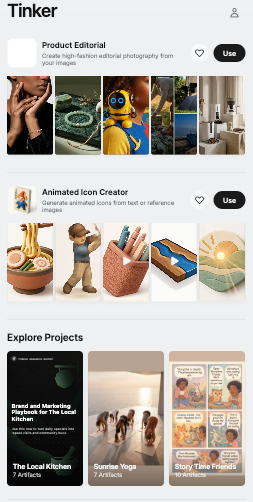
Tinker is Shopify’s new AI-powered app designed to help entrepreneurs move from idea to execution faster, especially when visual creation feels like a blocker. Built as a mobile-first experience, Tinker brings multiple premium AI tools into one place, making it easier to generate high-quality visuals without requiring design expertise. It addresses the common “blank canvas” problem by helping merchants explore concepts, experiment with creative directions, and quickly produce assets that feel polished and on-brand.
Enhancements for retail and in‑person selling
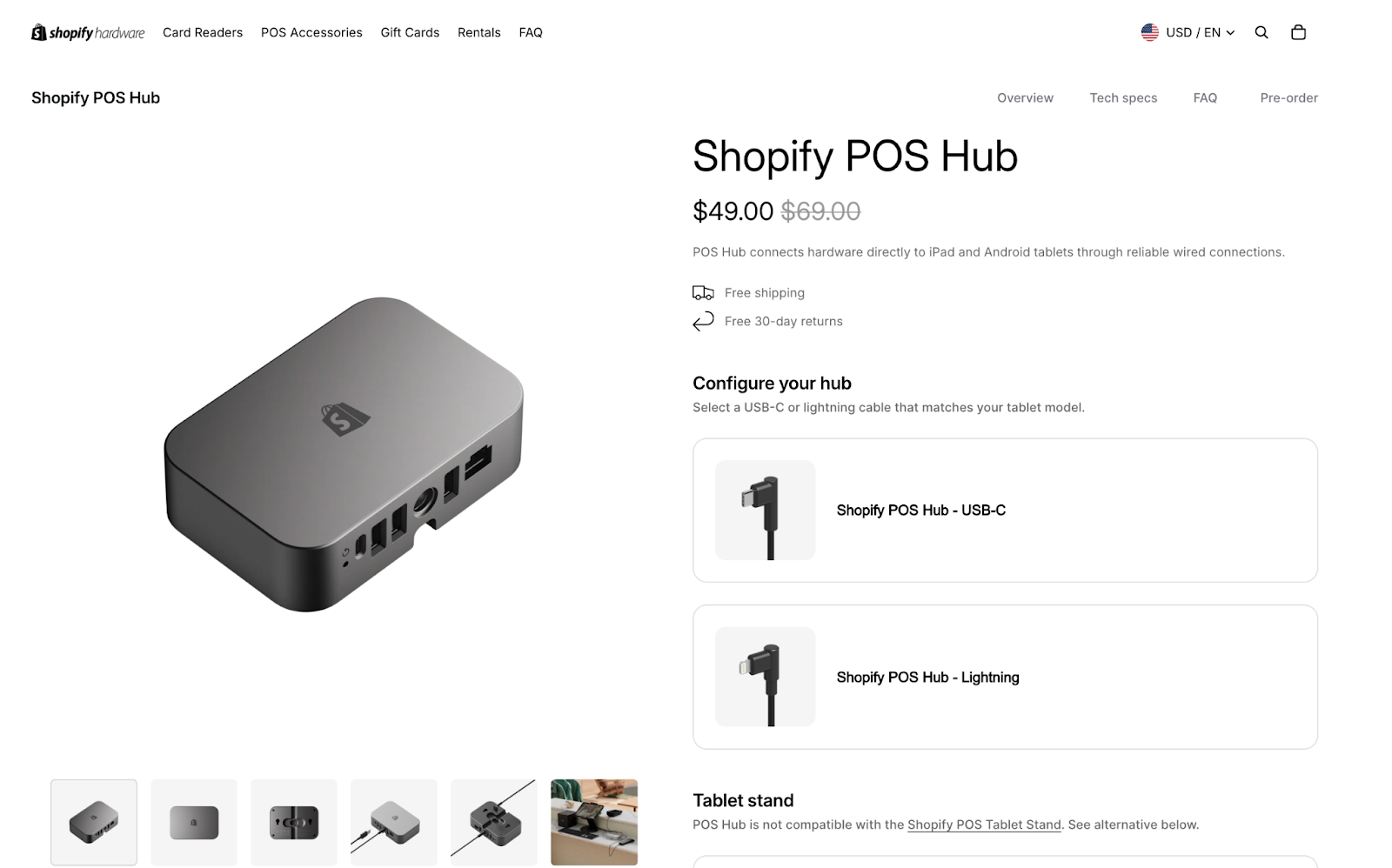
Shopify Winter 26 includes updates for merchants selling in physical stores and hybrid retail environments. Central to these improvements is the introduction of POS Hub, a new point-of-sale hardware system that provides more reliable in-store checkout connectivity. Unlike many standard POS setups that rely on wireless connections, POS Hub offers wired connections for peripherals such as card readers, receipt printers, and barcode scanners, thereby reducing dropped Bluetooth links and improving reliability at the counter.
Beyond hardware, Winter ‘26 continues to unify online and offline operations by streamlining how retail teams manage inventory, payments, and customer interactions. These updates reduce checkout friction, simplify staff workflows, and strengthen the connection between physical store performance and the broader Shopify ecosystem.
Expanded marketing tools for better engagement and growth
Shopify Product Network
The Shopify Product Network allows merchants to surface complementary products from other Shopify stores in search results, collections, emails, and post-purchase pages. This expands product discovery and provides opportunities to earn commissions on partner sales, helping merchants fill catalogue gaps without extra inventory.
Shop Campaigns
Shop Campaigns enables merchant products to appear on other stores’ pages, including collections, search results, and post-purchase experiences. By promoting products at key buying moments, merchants can reach a broader audience and drive engagement without managing separate advertising platforms.
SMS Marketing
Upgraded SMS marketing in Shopify Messaging allows merchants to plan, schedule, send, and track campaigns alongside email marketing. Enhanced segmentation, including by product views or purchase history, supports more relevant targeting and improves overall customer engagement.
Auto-translation and dynamic emails
Winter 26 also adds auto-translation for Shopify Forms, enabling merchants to serve international audiences more effectively. Additionally, dynamic product sections in emails automatically highlight best sellers or related collections, simplifying campaign creation and helping deliver more personalised experiences.
Checkout and payments enhancements
Shopify Winter 26 continues to refine checkout with updates focused on reducing friction, improving trust, and expanding payment flexibility across markets. These enhancements build on Shopify’s high-converting checkout by making it more personalised, localised, and adaptable for both B2C and B2B customers.
A more personalised checkout experience
Checkout personalisation has been extended with updates to Shop Pay, where returning customers now see the last four digits of their saved card directly on the Shop Pay button. This small change helps customers quickly recognise their payment method and proceed with greater confidence. Shopify has also added Apple Pay as a payment option within Shop Pay, giving customers more choice while keeping the accelerated checkout flow intact.
Market-specific checkout and accounts
Merchants can now customise checkout and customer account pages by market and buyer type, including B2B. This allows different regions to display localised messaging, payment methods, and account experiences, helping reduce drop-off in international and wholesale transactions. These customisations are managed directly in the checkout editor, making it easier to tailor experiences without additional development work.
Operations and workflow improvements
Shopify Winter 26 introduces a series of operational improvements focused on accuracy, visibility, and efficiency across everyday commerce tasks. These updates help merchants manage inventory more effectively, gain clearer insights from data, and automate complex processes with greater confidence.
Smarter inventory management
Inventory workflows are more flexible in Winter 26, supporting real-world scenarios such as receiving stock from unknown origins, editing transfers while shipments are in transit, and managing high-volume sales across multiple locations without overselling. Merchants can now access a full inventory history beyond previous limits, making it easier to audit stock changes and investigate discrepancies over time.
Deeper, more accurate analytics
Analytics capabilities have been expanded to provide more detailed and reliable insights. New heatmap visualisations allow merchants to analyse performance across two variables, such as sales by time and day, while enhanced filters enable more precise reporting. Bot traffic can now be excluded from analytics, improving the accuracy of conversion and performance metrics. For Shopify Plus merchants, organisation-level analytics bring multiple stores into a single reporting view.
More flexible order management
Order management tools have been refined to support complex workflows. Merchants can now filter orders using custom metafields, total order value, or weight, making it easier to prioritise fulfilment. Unfulfilled orders can be edited with duties recalculated automatically, and refunds can be applied as discounts on fulfilled items to ensure more accurate financial reporting.
Stronger automation with Shopify Flow
Shopify Flow receives several updates aimed at improving usability and control. A redesigned editor and workflow previews help merchants understand how automations will behave before publishing, while the ability to cancel active runs adds flexibility when adjustments are needed. These enhancements make it easier to build, test, and maintain automations that support growing operational complexity.
Shop app updates and customer discovery
Personalised storefronts
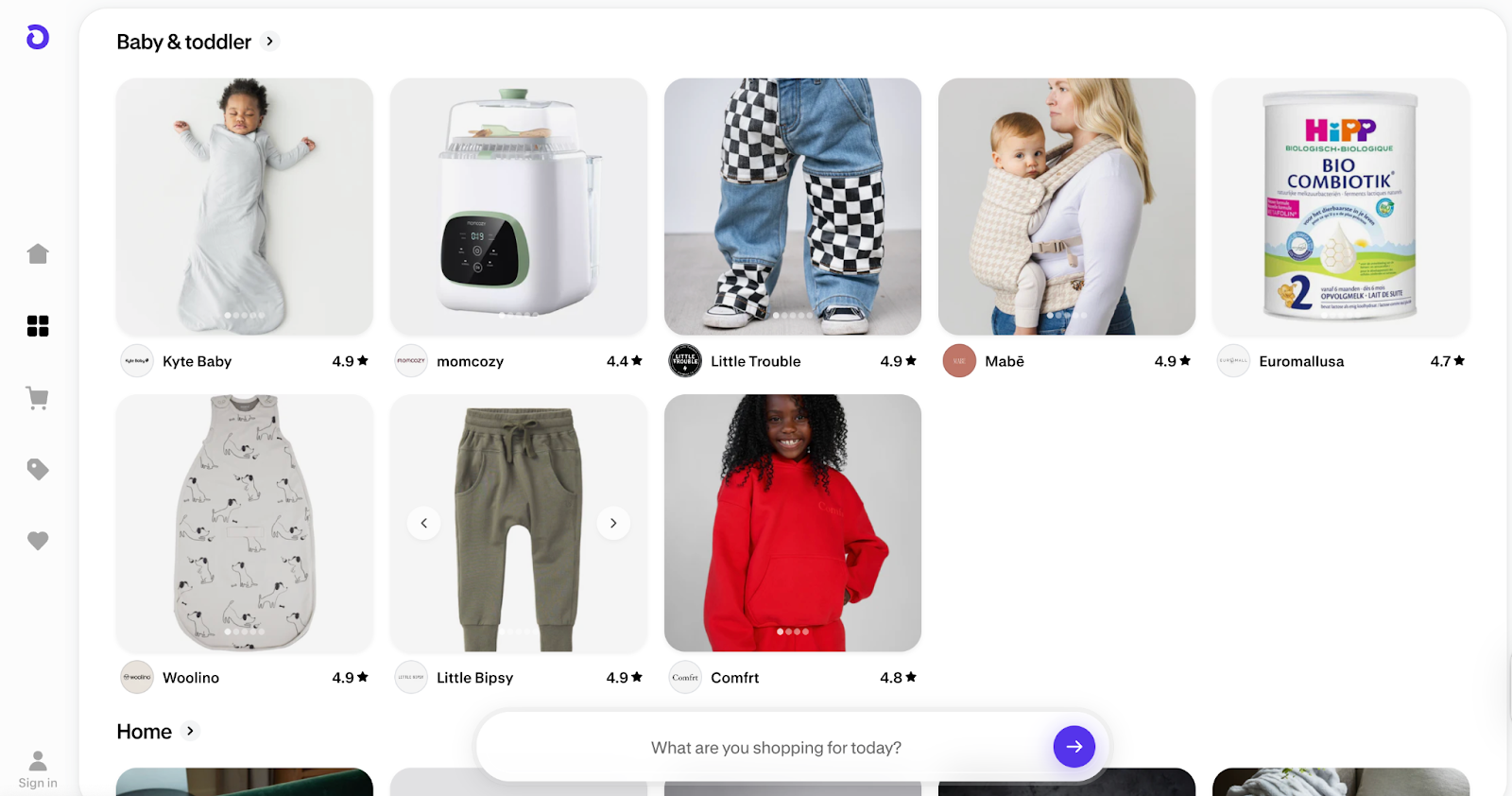
In Winter 26, the Shop app evolves into a more personalised discovery channel. Each shopper now sees a dynamic version of a merchant’s Shop storefront, automatically tailored to their browsing and purchase behaviour. Product ordering and visibility adapt in real time, helping shoppers surface items that are most relevant to their interests without requiring additional setup from merchants.
Deals feed visibility
The introduction of the Deals feed gives promotions a dedicated surface within the Shop app. Active discounts, price drops, and eligible Shop Campaigns appear in a central feed designed for shoppers actively looking for offers. Deals are also surfaced on product pages and merchant profiles, increasing exposure for time-sensitive promotions and seasonal sales.
Shoppable video content
Merchants can now add shoppable videos to their Shop presence, allowing customers to explore and purchase directly from video content. Distribution is optimised within the app so videos are shown to shoppers most likely to engage, supporting product discovery without redirecting users away from the Shop experience.
B2B and wholesale capabilities
Shopify Collective expanded worldwide
Shopify Collective is now available in 35 additional countries, making it easier for brands to source products, sell wholesale, and form new retail partnerships globally. Suppliers can actively discover and connect with retailers through the Collective directory, while retailers can instantly import products using public price lists, removing approval delays and speeding up time to market.
More flexible B2B payments
B2B payment options now better reflect how wholesale transactions work in practice. Shopify Plus merchants in the US can accept ACH payments at checkout and charge saved bank accounts directly from the admin. Store credit can be issued at the company location level, and payment requests can be sent per fulfilment for orders that ship in multiple parts.
Dynamic payment terms and deposit requirements can now be configured using apps powered by Shopify Functions, giving merchants greater control over risk, cash flow, and customer-specific agreements.
Improved buying and fulfilment options
Winter 26 introduces more flexibility at checkout for B2B buyers. Customers can now select in-store pickup as a delivery option, supporting hybrid wholesale and retail workflows. Merchants can also create dynamic order review rules to flag orders based on value, products, or other conditions before fulfilment, helping teams manage high-risk or high-value transactions more confidently.
Stronger app and theme support
B2B-compatible apps continue to expand, with new tools supporting quote requests, buyer roles, shopping lists, and advanced purchasing workflows. All Horizon themes now natively support volume pricing, quantity rules, and quick order lists, ensuring wholesale buyers get an experience designed for large or repeat purchases.
Enterprise integrations and EDI connectivity
For merchants operating at scale, Winter 26 improves connectivity with existing business systems. Pre-built integrations sync companies, orders, and payment terms with ERP platforms, including NetSuite, Brightpearl, Sage, Fulfil, and Acumatica. Direct EDI integrations allow purchase orders from providers like Crstl and SPS Commerce to sync into Shopify as draft orders, reducing manual entry and keeping wholesale operations aligned across systems.
Finance and cash flow updates
Funding and growth support with Shopify Capital
Shopify introduces continuous funding through the Shopify Capital flex account, allowing eligible merchants to apply once and access replenishing funds as repayments are made, subject to approval. Merchants only pay fees on their outstanding balance, providing a more flexible approach to accessing capital.
Automated money management with Shopify Balance
Shopify Balance now supports automatic transfers, enabling merchants to set rules that split each payout across multiple accounts, such as expenses, inventory, marketing, and savings. This automation helps structure cash allocation without manual intervention. In addition, merchants can issue staff cards linked to Shopify Balance and apply spend controls to manage employee expenses directly.
Tracking international profit margins
New tools allow merchants to track international profit margins by comparing real and estimated costs across markets. This includes visibility into duties, taxes, and shipping adjustments, helping merchants better understand profitability when selling globally.
Smarter delivery management
Expanded label and carrier options
Shopify adds support for creating, sending, and tracking FedEx return labels directly in the admin, with discounted pay on scan rates available in the United States. Merchants can also buy shipping labels directly in the admin for additional global carriers, including Royal Mail in the UK, Australia Post in Australia, and DHL Express in Canada. These updates expand carrier choice while keeping shipping workflows centralised within Shopify.
More accurate package handling
Merchants can now set a default package for each product variant, allowing more accurate shipping rates at checkout and faster label purchasing for single-item orders. This helps ensure shipping costs better reflect actual package dimensions and reduces manual adjustments during fulfilment.
Cross-border shipping expansion
Cross-border shipping options have expanded across the US and Canada. Merchants in Canada can purchase DHL Express Delivered Duty Paid and Delivered Duty Unpaid labels, as well as Canada Post Delivered Duty Paid labels. Merchants in the US can now buy DHL eCommerce Delivered Duty Unpaid labels directly in the Shopify admin, supporting more flexible international shipping workflows.
Conclusion: The RenAIssance of commerce
Shopify’s Winter 26 Edition is more than a seasonal update. It represents a new operating system for commerce. By embedding AI deeply into workflows, discovery, and development, Shopify empowers merchants and developers to move faster, think bigger, and operate smarter.
If you need help implementing Winter 26 features or want to explore how AI-driven commerce can work for your business, On Tap is here to help. As a long-standing and trusted Shopify partner with 19 years of eCommerce experience, we support Shopify merchants with theme customisation, B2B solutions, AI integration, and custom app development.
Get in touch with On Tap today and turn Shopify’s RenAIssance into real results.