 Best full-service eCommerce agency 2026


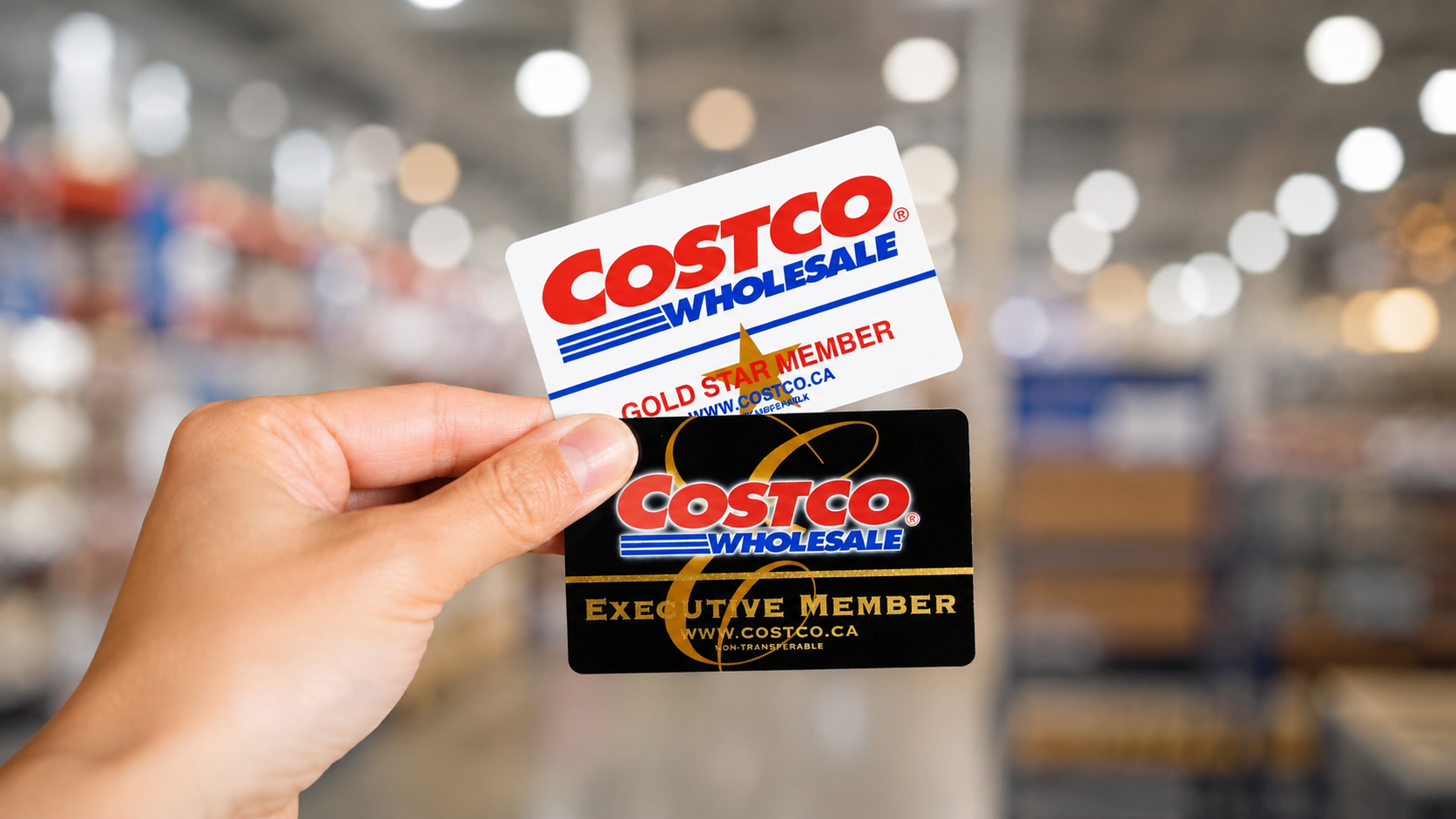
Costco just proved, with hard numbers, that personalisation isn't a nice-to-have; it's a revenue engine. The warehouse club's CFO, Gary Millerchip, revealed on their Q3 2026 earnings call that personalised product recommendation carousels contributed just under $500 million in digital sales. Those carousels drive conversion rates three times higher than Costco's typical digital conversion rate. Three times.
This follows $470 million from personalised recommendations the quarter prior, meaning Costco has generated nearly a billion dollars in digital sales from personalisation in just six months. And this is a company that, until recently, was not known for its digital sophistication.
The data behind the turnaround
The numbers are striking on their own, but the context makes them even more compelling. Costco's website and app traffic was up 37% during Q3. Multiple product categories saw double-digit digital growth, including pharmacy, home furnishings, and housewares. Total paid membership reached 82.9 million, up 4.1% year over year.
But there's a nuance worth paying attention to: members who sign up online renew at a slightly lower rate than those who join in-store. As digital-first members grow as a share of total membership, this creates downward pressure on the renewal rate, Costco's most important metric. The company's response? Targeted digital communication and retention strategies that, in Millerchip's words, "more than offset the negative impact from this mix change."
In other words, Costco isn't just using personalisation for product discovery. They're using it to solve a business-model problem created by their own digital growth. That's sophisticated thinking.
Why this story resonates beyond Costco
The reason this story matters for every eCommerce merchant, not just warehouse clubs with 82 million members, is that it demonstrates a universal principle: relevant product recommendations at the right moment dramatically change purchase behaviour.
A 3x conversion rate improvement isn't an outlier unique to Costco's scale. The mechanism is straightforward. When you show a customer products that are genuinely relevant to their browsing history, purchase patterns, and current session behaviour, you reduce the cognitive load of shopping. You surface products they didn't know they needed. You eliminate the friction of discovery.
This is what makes the juxtaposition with other Q1 earnings results so instructive. Consider these parallel stories from this week:
1. Macy's reported overall comps up 3%, with the 200 stores that received customer experience and merchandising investment seeing comps of 2.4%. Bloomingdale's comps soared 10.2%, its seventh straight gain. CEO Tony Spring attributed the results to "differentiated and compelling" product assortment and experiences. In other words, better curation drove better results.
2. Ulta Beauty posted 11% net sales growth to $3.2 billion, with comparable sales up 5.3%. Prestige beauty drove the growth while mass beauty remained "relatively flat." The retailer's ability to surface the right premium products to the right customers, through both in-store experience and digital channels, is a form of personalisation in action.
3. Neiman Marcus, by contrast, continues to retreat. Saks Global's bankruptcy is enabling the closure of the century-old downtown Dallas flagship. The luxury department store that once defined personalised service is literally shutting its doors, unable to adapt its model to modern customer expectations.
The pattern is unmistakable: retailers who invest in understanding and serving individual customer preferences are growing. Those who don't are closing stores.
The practical personalisation playbook
So what should eCommerce merchants actually do with this information? Here's our framework:
Start with product recommendations, but do them right
Product recommendation engines are not created equal. Basic "frequently bought together" widgets are table stakes. What's driving Costco's results is personalised carousels that reflect individual member behaviour, not aggregate purchasing patterns. If your recommendation engine can't distinguish between customer segments, let alone individual customers, you're leaving revenue on the table.
Measure the incremental revenue, not just clicks
Costco can tell you exactly how much revenue their personalised carousels generate: $500 million. Can you quantify the revenue impact of your product recommendations? If not, you need better attribution. Tag your recommendation widgets, track click-through rates, add-to-cart rates, and conversion rates separately from organic product discovery. The data will tell you where to invest.
Use personalisation for retention, not just acquisition
Costco's most interesting insight isn't the $500 million figure; it's that they're using personalised digital communication to solve their member retention challenge. Personalisation is a lifecycle tool. Use it for post-purchase follow-up, replenishment reminders, loyalty tier progression, and re-engagement campaigns. The moment you think of personalisation as a full-lifecycle strategy rather than just a product page feature, its value compounds.
Invest in the data foundation
Personalisation quality is directly proportional to data quality. Costco can deliver relevant recommendations because they have deep member purchase history, clear category associations, and real-time session data. For smaller merchants, this means investing in your customer data platform, ensuring your product catalogue has robust attributes and categorisation, and connecting your online and offline data where possible.
Don't ignore the experience layer
Macy's results reinforce that personalisation isn't purely algorithmic. The 200 stores that received merchandising and experience improvements outperformed. The human element of curation, thoughtful product assortment, compelling visual merchandising, and elevated service amplify the impact of algorithmic personalisation. On your website, that translates to editorial content, curated collections, and landing pages that feel hand-crafted, even if they're dynamically generated.
The bigger picture
We're in a period where the retailers winning on earnings calls like Costco, Ulta, Bloomingdale's, and Victoria's Secret share a common thread. They know exactly who their customer is, and they're using that knowledge to deliver relevance at every touchpoint. Meanwhile, the retailers struggling, such as Neiman Marcus, J.C. Penney, and undifferentiated mid-market brands, are the ones who lost that clarity or never had it.
Personalisation at its core is just the operational expression of knowing your customer. The technology enables it. The data informs it. But the strategic commitment to relevance is what makes it work. Costco's $500 million in carousel revenue isn't a technology story. It's a customer-centricity story.
At On Tap, we help merchants build the technical foundation for effective personalisation, from product feed optimisation to recommendation engine integration to analytics infrastructure. But we always start the conversation with strategy: who is your customer, what do they need, and how can you make their shopping experience feel effortlessly relevant?
If you want to explore what a personalisation strategy could look like for your business, get in touch. The data suggests that the ROI is waiting.