 Best full-service eCommerce agency 2026


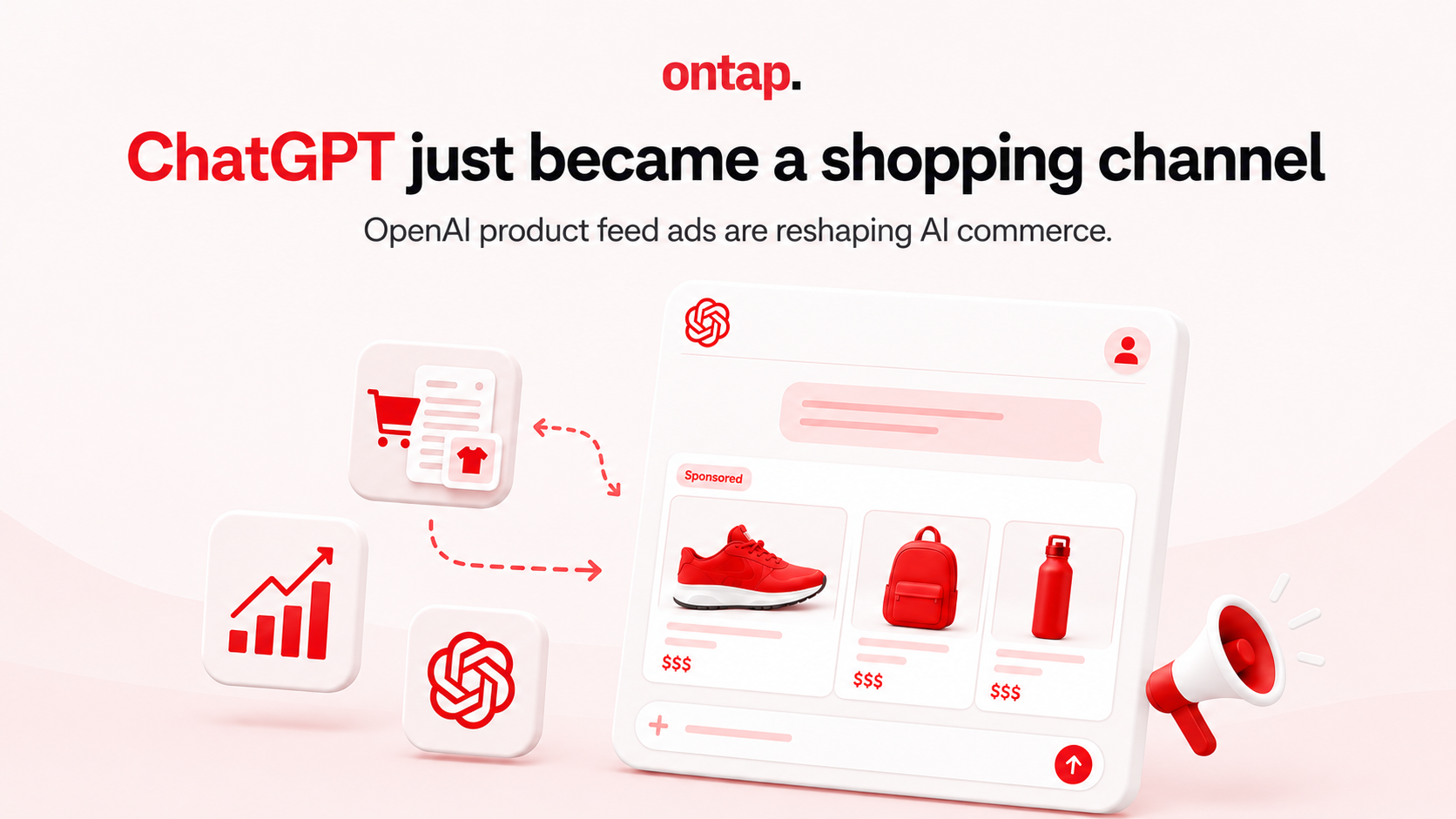
On 12th May, OpenAI announced that product catalogue feeds can now power automated advertising inside ChatGPT. For eCommerce merchants and brands, this is a watershed moment - the line between AI-powered search and AI-powered commerce has been permanently blurred.
OpenAI is enabling retailers to turn their existing product data feeds into ads that appear within ChatGPT's conversational interface. If you already manage product feeds for Google Shopping or Meta, the infrastructure you have built now has a new, potentially transformative distribution channel.
What happened and why it matters
The announcement, reported by Search Engine Land, confirms that OpenAI is building a product feed-based advertising system within ChatGPT. Retailers can connect their product catalogues, and ChatGPT will serve automated product ads when users ask shopping-related questions or express purchase intent within the conversation.
This is the natural evolution of a trend we have been tracking closely. Adthena has already launched a competitive intelligence platform specifically for ChatGPT's ads ecosystem - the fact that third-party analytics vendors are building monitoring tools tells you the market has moved past experimentation into operational reality.
Product feed ads are a step-change beyond display-style ads in a chat interface. Product feeds are structured data - titles, descriptions, prices, images, availability, categories. When you connect a product feed to an advertising platform, you give that platform everything it needs to match products to user intent with precision. Google Shopping proved this model at scale. OpenAI is now replicating it inside a conversational AI context where purchase intent is often more explicit and more nuanced than a traditional search query.
The delegation boundary and brand visibility
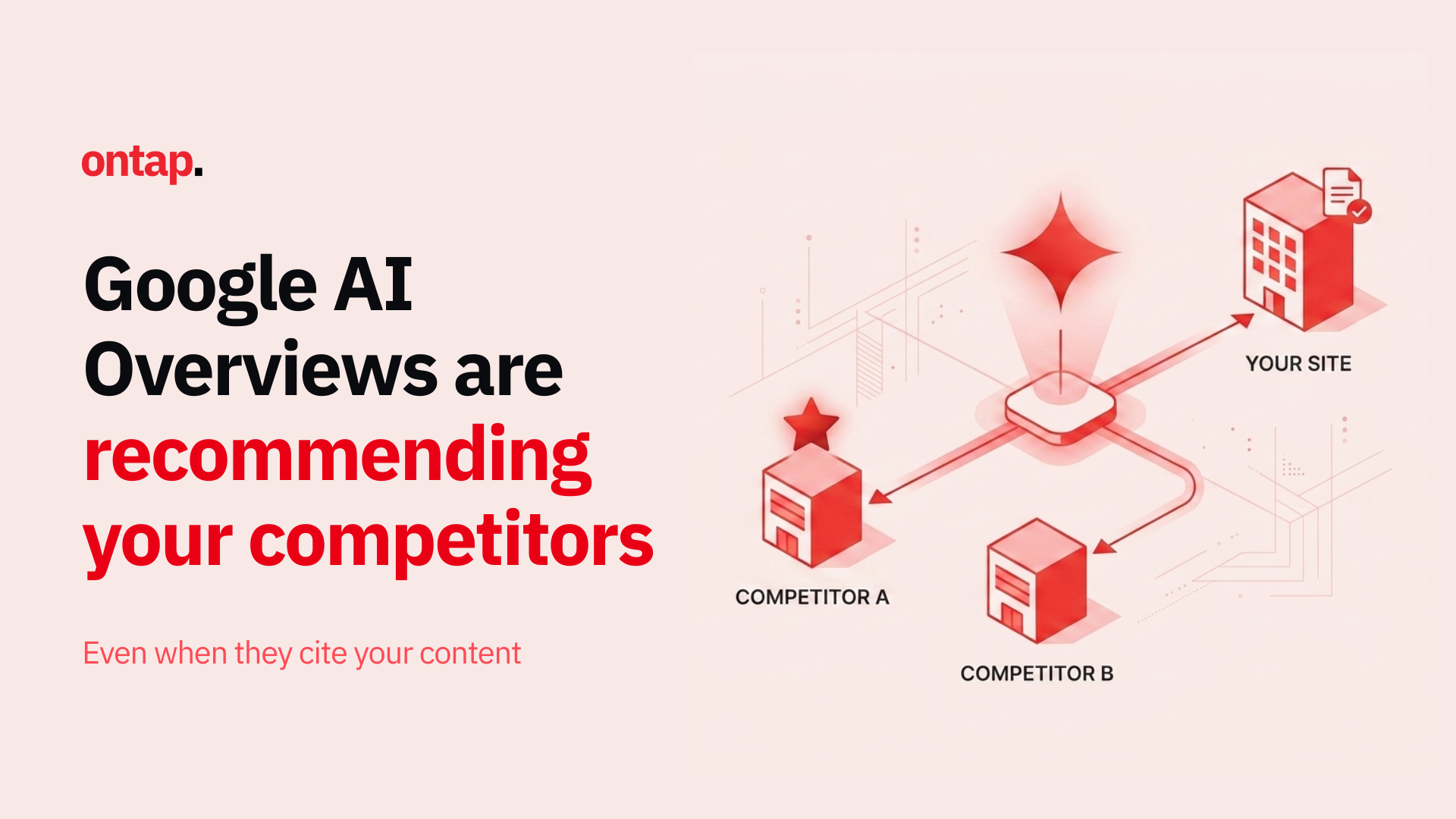
This announcement arrives alongside a thought-provoking analysis from Search Engine Land on what they call "the delegation boundary" - the concept that AI assistants increasingly shape purchasing decisions by recommending products and brands, forcing companies to compete for algorithmic confidence rather than just clicks.
When a consumer asks ChatGPT, "What's the best waterproof hiking boot under £150?" the AI is not showing ten blue links. It is making a recommendation, potentially augmented by product feed ads from brands that have connected their catalogues. The brands that appear in that response are not competing for position one on a search results page. They are competing to be the answer.
This creates a new competitive dynamic where three factors determine visibility:
-
Feed quality - Product data completeness, accuracy, and structured metadata become even more important. AI systems rely heavily on well-structured data to match products to intent.
-
Brand authority signals - AI systems draw on web-wide signals to determine which brands are trustworthy and relevant. Your presence across reviews, editorial content, social proof, and authoritative third-party sources matters more than ever.
-
Advertising investment - With product feed ads, there's now a direct paid channel to influence AI-assisted shopping recommendations. Early movers who optimise their feeds for ChatGPT will have an advantage as the platform scales.
What this means for eCommerce merchants
If you are already running Google Shopping or Meta product ads
You have a head start. Your product feeds are already structured, tested, and optimised. The operational question is whether to extend those feeds to OpenAI's platform. Our recommendation: do it, but treat it as a distinct channel, not a copy-paste exercise. The context of a ChatGPT conversation is fundamentally different from a Google Shopping carousel. Product titles and descriptions that work in traditional search may need adaptation for conversational contexts where the AI is synthesising information rather than displaying listings.
If you are not running product feed ads anywhere
This is your wake-up call. Product feeds are becoming the universal language of commerce advertising. Google Shopping, Meta Shops, TikTok Shop, Amazon Ads, and now ChatGPT all consume product data in structured feed format. If you do not have a clean, comprehensive product feed, you are invisible across an expanding number of channels.
If you are a brand rather than a retailer
The delegation boundary raises an important question for brands: who controls how AI assistants recommend your products? If a consumer asks ChatGPT for a recommendation, the AI's response is shaped by data from across the web - retailer feeds, reviews, and editorial content. Brands need to actively manage their information ecosystem, not just their owned channels.
The practical playbook
Here's what we recommend ecommerce teams do this week:
-
Audit your product feeds. Ensure they meet the highest data quality standards - complete titles, detailed descriptions, accurate pricing, high-resolution images, correct availability status, and rich category taxonomy.
-
Monitor OpenAI's advertising rollout. The product feed ad capability is new. Details on access, pricing models, and targeting options will evolve rapidly. Subscribe to OpenAI's business announcements and work with your agency to get early access if available.
-
Start measuring AI-assisted traffic. Use UTM parameters and referral analysis to understand how much of your current traffic comes from AI search interfaces. This baseline will help you evaluate the incremental impact of product feed ads.
-
Review your brand's information ecosystem. What does ChatGPT say about your brand when asked directly? What does your Wikipedia page look like? What reviews are most prominent? AI systems pull from all of these sources, and they shape the context in which your product ads appear.
-
Don't abandon existing channels. Product feed ads in ChatGPT are additive, not a replacement for Google Shopping or Meta. The smartest approach is a coordinated multi-channel product feed strategy where data quality improvements benefit every channel simultaneously.
On Tap's Perspective
We've been saying for months that AI-assisted commerce would move from curiosity to competitive necessity in 2026. OpenAI adding product feed ads to ChatGPT confirms that timeline. The infrastructure for AI commerce advertising is being built now, and the merchants who engage early - with high-quality data, thoughtful feed optimisation, and a clear understanding of how AI recommendation works - will define the next era of digital commerce.
The question is no longer whether AI will reshape eCommerce advertising. It's whether you'll be ready when the volume arrives. If you're exploring how to position your brand for this shift, get in touch with us to discuss how AI-driven commerce strategies can support your growth in the evolving digital marketplace.