 Best full-service eCommerce agency 2026


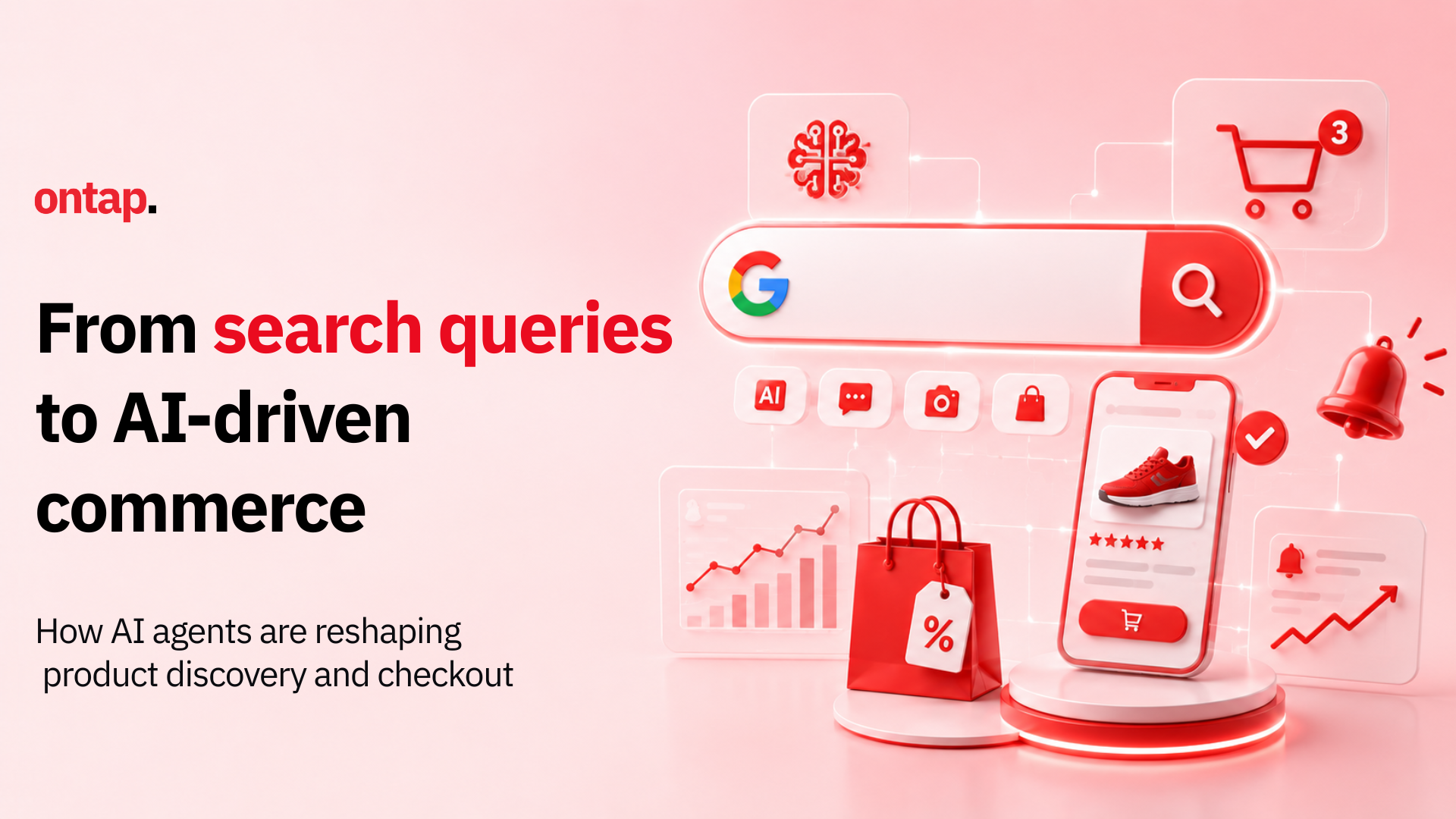
Google dropped a series of announcements at Google I/O 2026 on 19 May that collectively represent the most significant overhaul of Google Search in a generation. For eCommerce merchants, these are not incremental tweaks. They are structural changes to how consumers discover, evaluate, and purchase products. Here is what happened, what it means, and what you should do about it.
The intelligent search box: 25 years of muscle memory, rewritten
Google announced what it calls the “Intelligent search box", describing it as the biggest change to the search input in over 25 years. The new search box supports longer, more conversational prompts and surfaces AI-powered suggestions directly within the input experience. Instead of typing a few keywords and scanning ten blue links, users are now encouraged to describe what they need in natural language, and Google will route that query through its AI systems.
As Google's Head of Search, Liz Reid, noted, the new suggestions go "beyond autocomplete." Users can also search across modalities, including text, images, files, videos, and even open Chrome tabs.
For merchants, this matters because it accelerates the shift from keyword-based discovery to intent-based discovery. A shopper who types "waterproof hiking boots under $150 that work in rocky terrain" gives Google dramatically more context than someone typing "hiking boots." That richer intent data feeds directly into Google's AI systems, which now decide what to surface.
Gemini 3.5 Flash: The engine behind the new Search
Google announced Gemini 3.5 Flash and immediately deployed it as the default model powering AI Mode in Search. This is not a beta or a limited rollout. It is the production model running right now, designed for speed, which means AI-generated answers will load faster and handle more complex queries without the latency that has affected earlier AI search implementations.
The speed improvement matters more than it might seem. Faster AI responses mean more users will interact with AI Mode rather than falling back to traditional results. According to Google CEO Sundar Pichai at the I/O keynote, AI Mode has already surpassed one billion monthly active users in just one year since launch, with queries more than doubling every quarter.
Information agents: Google Search as a persistent researcher
Perhaps the most consequential announcement for eCommerce is the introduction of “information agents” in Search. Google describes these as agents that continuously scan the web to provide users with updated information for their searches, operating 24/7 in the background and delivering synthesised updates via push notifications. Think of it as Google proactively monitoring the web on your behalf after you have expressed an interest.
For product searches, this could mean a consumer searches for a product today, and Google's agent notifies them when prices drop, when new reviews appear, or when previously out-of-stock items become available. This transforms search from a pull model, where the consumer initiates each search, to a push model, where Google's agent pushes relevant updates.
Information agents will initially roll out to Google AI Pro and Ultra subscribers in the US this summer.
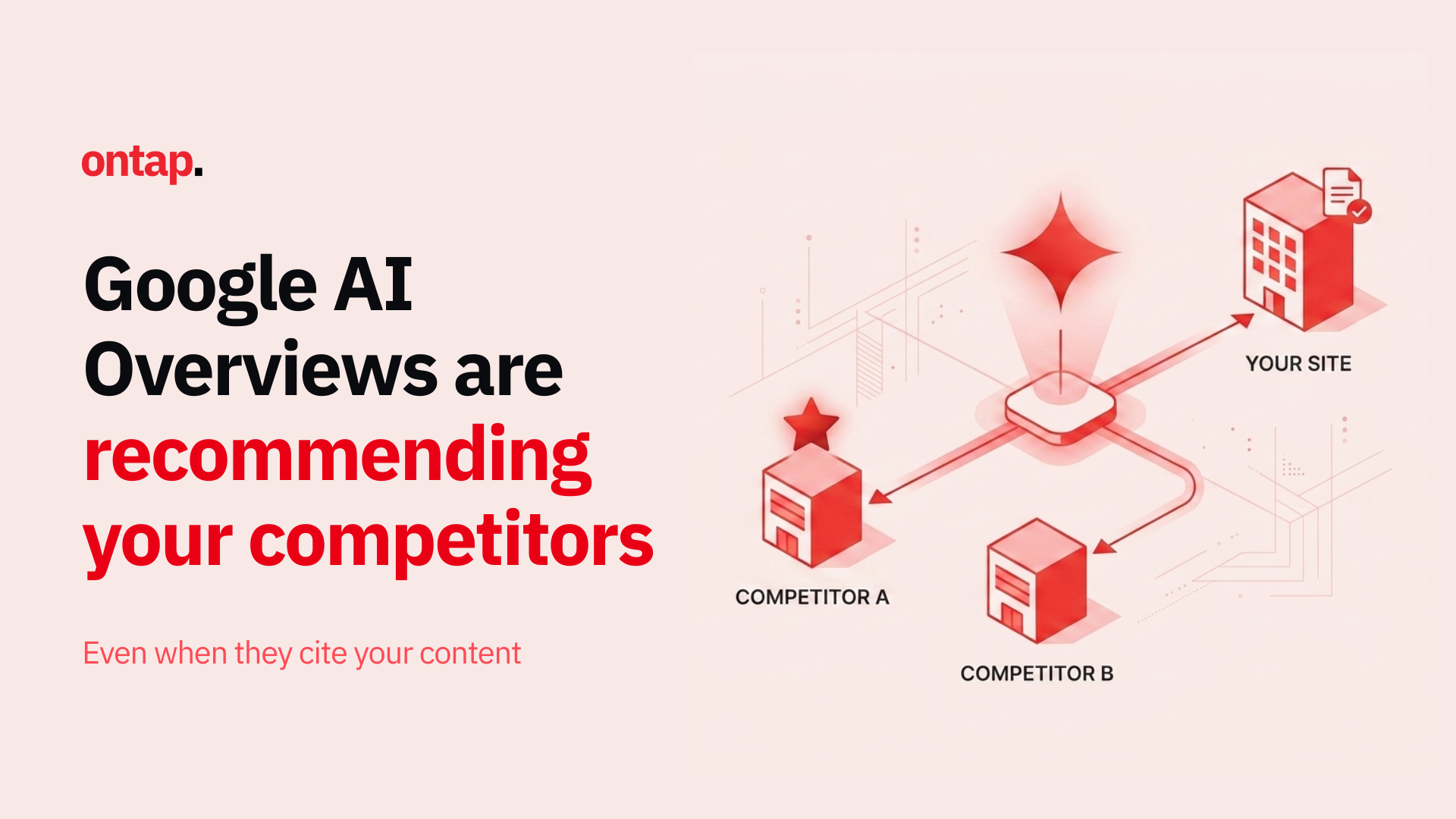
Merchants need to think carefully about what this means for their product data freshness. If Google's agents are continuously checking your product pages, stale inventory data, outdated pricing, and broken structured data become much more costly. The agent will simply route the consumer to a competitor with better data.
Universal Cart and the 60-billion-product Shopping Graph
Google also introduced the Universal Cart and announced that its Shopping Graph now indexes over 60 billion products, up from 50 billion earlier this year. The Universal Cart allows shoppers to add items from multiple merchants into a single cart directly within Google Search, with the same persistent cart following them across Search, Gemini, YouTube, and Gmail. It also monitors for price drops, surfaces price history, and alerts users when items come back in stock.
For merchants, this creates both opportunity and competitive pressure. Being included in Google's Shopping Graph is now table stakes. If your products are not indexed, they effectively do not exist in this increasingly dominant discovery channel. But the Universal Cart also changes where brand differentiation happens. When a customer can buy from you or a competitor without ever visiting your website, your advantage lies entirely in your product data: price, reviews, availability, images, and structured specifications.
What should merchants do now?
-
Audit your Google Merchant Centre data quality
With 60 billion products in the Shopping Graph and AI agents continuously scanning for updates, the quality of your product feed directly determines your visibility. Check for missing attributes, outdated pricing, and inventory accuracy.
-
Invest in structured data
Information agents consume machine-readable product information. Schema markup for products, reviews, pricing, and availability is no longer optional. It is the interface through which Google's AI systems evaluate your offerings.
-
Rethink your content strategy for conversational questions
The intelligent search box encourages longer, more descriptive searches. Your product pages and category content need to address specific use cases, comparisons, and contextual questions, not just target individual keywords.
-
Monitor your AI visibility
Tools like Microsoft Clarity's Citations dashboard and Google Analytics' AI Assistant channel should now be part of your regular reporting to understand how and where your products are being surfaced in AI-generated answers.
-
Prepare for continuous monitoring
If Google's information agents are checking your product data in real time, you need systems that keep that data current. Automated feed management, real-time inventory syncing, and dynamic pricing updates are becoming critical infrastructure, not nice-to-haves.
The bigger picture
These announcements, taken together, represent Google's clearest statement yet that the future of search is AI-mediated commerce. The search box is becoming a conversation. The results are becoming agent-curated. The checkout is becoming platform-native. And the Shopping Graph is becoming the de facto product database for AI-driven discovery.
Merchants who treat their Google presence as a static listing will find themselves increasingly invisible. The ones who treat it as a living, continuously optimised data asset will thrive in this new environment. The infrastructure Google announced at I/O 2026 is not coming. It is already live.
How On Tap can help
At On Tap, we are an eCommerce agency helping merchants navigate platform changes and build strategies that work across every discovery channel. If you are unsure how the Google I/O 2026 announcements affect your store, or want support preparing your product data and content strategy for AI-driven search, get in touch with our team.