

Shopify has officially launched its Summer 2025 Edition (Summer ’25 – Horizons) on 21 May, packed with over 150 new features and enhancements across every corner of the platform. This bi-annual “Editions” release delivers powerful new capabilities for both merchants and developers, making it easier to build creative storefronts, streamline operations, expand globally, and craft custom commerce experiences. In this post, we’ll break down the most important updates announced in Shopify Summer ’25 and what they mean for your business.
What’s new in Shopify Edition Summer ‘25
Shopify Summer Edition 2025 introduces a wide range of updates spanning themes, B2B capabilities, marketing tools, and AI integration. Key enhancements include:
- Theme: Intuitive drag-and-drop Theme Blocks and 10 ready-to-use presets.
- AI utilisation: Sidekick AI upgrade – a voice-enabled assistant offering analytics, campaign suggestions, image generation, and multilingual support, along with AI Shopping Agent Support, providing branded content and question analytics to AI agents.
- Checkout and payments: Flat shipping for split shipments, Apple Pay with custom checkout, Roblox checkout integration.
- B2B commerce: B2B Markets, VAT ID validation, order minimums, NetSuite connector, and B2B app compatibility.
- Marketing tools: Single discount codes for multiple offers, better segmentation with ShopifyQL, Shop app collections.
- Admin and performance: Faster admin UI, Web Vitals analytics, refund-to-store-credit, and monthly Shopify Capital loans.
- Developer platform: Next-gen CLI, Polaris Web Components, Storefront Web Components, and Shopify Functions upgrades.
Major updates and improvements in the Shopify latest edition
Horizon - a new theme design foundation
One of the headline updates in the Summer ‘25 Edition is Horizon, Shopify’s new theme architecture that combines beauty and flexibility for storefront design. Horizon introduces a block-based design system and 10 brand-new theme presets – each optimised for conversions and fully customisable. Merchants opt for one of these free themes and effortlessly customise them to reflect their unique style. The Theme Blocks system allows drag-and-drop page editing like moving app icons on a phone, so you can rearrange layouts without coding.
Horizon includes AI-powered design tools that allow users to describe a section they need, such as a “holiday promotion banner with snowfall effect,” and have Shopify’s AI generate a custom block for their theme. These AI-generated blocks are integrated without impacting site speed, fitting smoothly into Shopify’s existing theme framework.
Additionally, the new AI Store Builder can create an entire theme based on a simple description of a brand’s style, providing three design options to choose from and refine. This feature can speed up store setup for new entrepreneurs and offer creative ideas for redesigns.
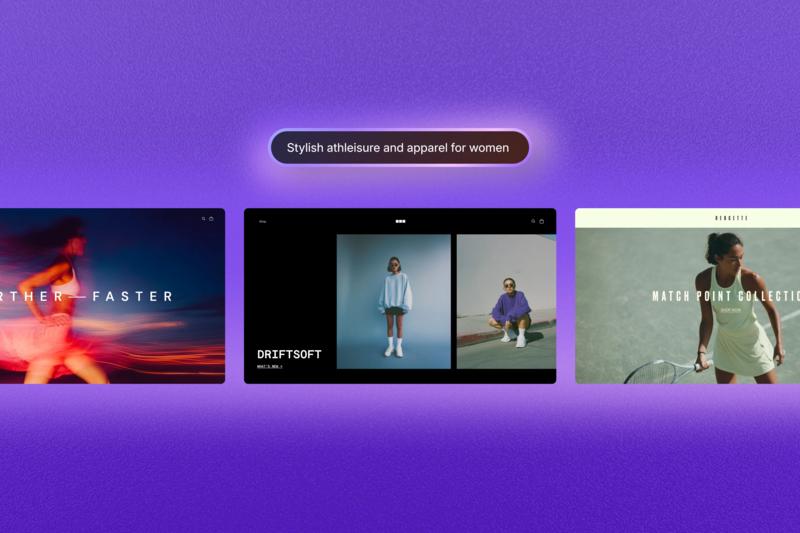
Alongside these tools, the theme editor interface has been updated to improve usability, featuring hover-to-preview in the block picker, categorised sections and blocks for easier navigation, one-click text editing directly on the page, and a simplified sidebar with collapsible sections. These changes aim to reduce small obstacles and help users customise their storefronts more efficiently.
AI-powered tools: Sidekick and Shopping Agents
Shopify’s Summer ’25 Edition expands its AI capabilities with significant upgrades: Sidekick, the platform’s built-in AI assistant and AI shopping agent, an emerging tool like a chatbot or voice assistant to support customers.
Sidekick capabilities
This AI-enabled commerce assistant uses multistep reasoning to analyse various data sources within a store, allowing it to handle more complex queries and provide actionable insights. For example, if a merchant notices a sudden sales increase or decline, Sidekick can review sales trends, inventory, and customer behaviour to identify possible causes and suggest strategies to address them.
It also supports voice interaction and screen sharing, enabling hands-free communication and real-time guidance. Additionally, Sidekick includes an integrated image generator that can create marketing visuals based on simple text prompts, all within the Shopify admin interface. With support for 20 languages, it is accessible to merchants worldwide.
AI shopping agents and Knowledge Base
Alongside Sidekick, Shopify has introduced a Knowledge Base app designed to feed curated FAQ content and product information to AI shopping agents. This helps ensure that AI-driven customer interactions provide accurate answers aligned with the merchant’s brand and product details. Merchants can also monitor the questions customers ask these AI agents, gaining insight into common concerns and interests. These updates aim to improve operational efficiency and maintain consistent brand representation in AI-powered commerce environments.
Checkout and payment enhancements
Shipping and delivery
- Flat shipping rates for Split Shipments: Merchants can now charge a single flat shipping fee for orders fulfilled from multiple locations, helping to keep shipping costs clear and reduce cart abandonment.
- Alternative delivery options: If an item isn’t deliverable to a shopper’s default address, the checkout suggests alternatives such as delivery to a different location or in-store pickup to avoid losing the sale.
Expanded checkout channels and payment options
- Checkout integration in Roblox: Shopify Checkout is integrated with Roblox, enabling customers to purchase physical products directly within the virtual environment.
- Shop Pay instalments available in Canada: Buy-now-pay-later options through Shop Pay Instalments are now available to Canadian merchants, offering more flexible payment choices.
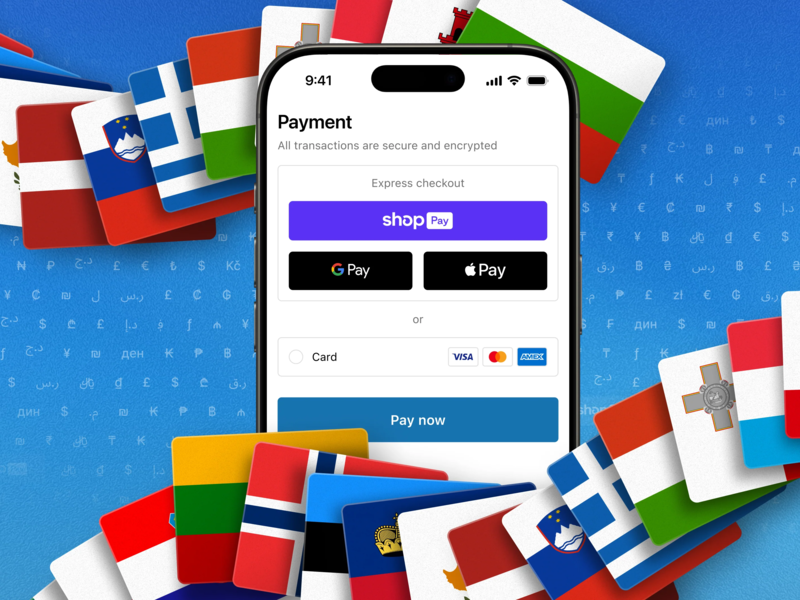
- Apple Pay support for custom checkouts: Merchants using custom checkout flows can still offer Apple Pay as a one-tap payment method, combining convenience with customisation.
Security and performance enhancements
- PCI DSS v4.0 compliance: Shopify Checkout now meets the latest PCI DSS v4.0 security standards by default, ensuring payment data protection without additional effort from merchants.
- Faster checkout performance: Checkout loading times have improved, with customer information appearing nearly 2 seconds faster, reducing friction during the purchase process.
In-person retail updates (POS)
Shopify Point-of-Sale (POS) received several practical updates aimed at improving the experience for merchants with physical stores or pop-ups.
- POS app redesign: The Shopify POS app (version 10) was redesigned to improve speed and usability. The interface now features cleaner navigation and faster, smarter search functions, helping sales staff locate products and customer information with less effort.
- Omnichannel checkout with “Ship and Carryout”: A new omnichannel feature called “Ship and Carryout” (available with POS Pro) allows customers to purchase items for immediate pickup while having out-of-stock products shipped to them in a single transaction. This eliminates the need for separate checkouts, simplifying the process for both customers and store associates.
- Store credit support: Shopify POS also added native support for issuing and redeeming store credit. This allows returns or promotions to be credited to a customer’s account, which can then be used seamlessly in-store.
- Multi-entity management: For retailers using Shopify Plus, managing multiple retail entities, such as international subsidiaries, is now possible within a single Shopify admin using Shopify Payments. This enables global brands to operate stores in different countries with separate legal entities, all under one unified POS and backend system.
- Tap to Pay on mobile devices: Shopify’s Tap to Pay feature, which allows contactless payments via iPhone or Android without additional hardware, is now available in the main Shopify mobile app (US only). This enables merchants to accept payments directly on their phones.
Global commerce and internationalisation
Shopify Summer ’25 makes it easier to scale globally while keeping a local feel for customers.
- Managing multiple business entities: Shopify Plus merchants can now operate multiple legal entities within a single Shopify store and admin. This allows companies with separate entities (for example, one in the EU and another in the US) to manage products, taxes, and payments for each entity centrally. This consolidation simplifies international operations and provides unified reporting, which benefits finance teams by reducing the need to maintain separate stores.
- Expanded Shopify Payments availability and features: Shopify Payments has expanded to 16 new countries across Europe and Latin America, including Poland, Norway, Greece, Luxembourg, and Mexico, enabling more merchants to process payments locally. In Europe and Australia, payouts can now be settled in up to eight different currencies, helping merchants avoid costly currency conversions.
- Duties, taxes, and shipping enhancements: Shopify now allows all merchants, not just Plus, to calculate and charge duties and import taxes at checkout. Merchants can choose to embed duties in product prices for transparent pricing, reducing surprise fees for customers. To assist with customs compliance, Shopify introduced Tariffguide.ai, an AI tool that helps classify products with the correct HS codes and duty rates by simply describing the product, speeding up customs clearance.
- Market and storefront localisation: Shopify Markets now supports sub-markets, allowing merchants to create tailored regions within broader markets (e.g., “France” as a sub-market of “Europe”) with custom content, domains, and pricing. Merchants can view performance data for these sub-markets in a consolidated graph view.
- Compliance and customer trust features: Several compliance-related features have been added to help merchants meet regional regulations. These include cookie consent banners displayed during checkout for customers arriving directly via quick links, GDPR and privacy consent collection on account pages, and automatic adjustment of marketing opt-in checkboxes based on the customer’s country. These updates support legal compliance and help build customer trust in international markets.
B2B and wholesale features
Shopify continues to enhance its B2B and wholesale capabilities, particularly within Shopify Plus, to better support wholesale and bulk sales.
Shopify Markets for B2B stores
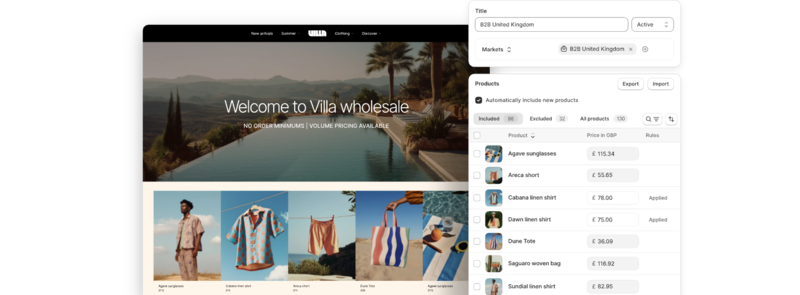
A notable update in Summer ’25 Edition is the availability of Shopify Markets for B2B stores, allowing merchants to create multiple distinct B2B markets within a single shop. Each market can have its own price lists, catalogues, currencies, and storefront themes tailored to specific regions—for example, separate portals for North America and Europe with localised pricing and products. The new “View as” feature lets merchants preview the buyer experience for different company accounts to verify accuracy. This functionality, previously limited to direct-to-consumer markets, now extends to B2B, enhancing flexibility for global wholesalers.
|
The new Shopify Markets functionality for B2B stores is available solely to Shopify Plus plan holders, who can activate it using the Feature test drive. |
VAT ID validation and checkout flow
Tax compliance has been simplified with VAT ID validation for EU and UK business customers. Shopify automatically verifies VAT numbers and applies tax-exempt status when valid, reducing manual checks and compliance risks. Checkout flows for B2B buyers are more configurable, allowing merchants to set minimum or maximum order values using a free Checkout Blocks app, enabling, for example, a $500 minimum order for wholesale customers while keeping retail orders unrestricted.
B2B functionalities
Gift cards can now be included in B2B product catalogues and purchased like other products, eliminating previous workarounds. Integration capabilities have improved with a native NetSuite ERP connector for B2B, syncing companies, orders (including purchase order numbers), and payment terms automatically, streamlining operations for larger merchants. Additionally, several third-party apps have gained B2B compatibility, supporting functions like QuickBooks integration and collaborative purchasing.
Shopify Collective
Shopify Collective, the wholesale network for brands to sell to each other, has removed its sales minimum requirement, lowering barriers for smaller brands to participate. Collective’s discovery tools were also enhanced with search and recommendation features to help merchants find supplier partners more easily.
Marketing and conversion tools
The latest Shopify Edition continues to emphasise conversion rate optimisation (CRO) and introduces several features designed to help merchants attract and retain customers more effectively.
Simplified promotions
One key feature is the ability to use a single discount code for multiple savings. For example, a code like “SUMMER2025” can apply both a percentage discount and free shipping at the same time. This simplifies the checkout process for shoppers, who no longer need to enter separate codes for different promotions. This functionality is supported by updates to Shopify’s Discount API and compatible discount apps.
Enhanced customer segmentation and analytics
Shopify’s query language for analytics, ShopifyQL, now includes an updated segment builder with assistive features, enhanced date filters, and templates for common customer groups. Merchants can easily create segments such as “repeat buyers in Canada” or “high spend customers in the last 90 days” using either templates or an intuitive interface, and then use these segments in targeted marketing campaigns.
Streamlined shopping experience across platforms
On the customer engagement front, the Shop app has been enhanced to improve product discovery. Its home feed now uses real-time recommendations that adjust as users browse. Shoppers can also create and share curated collections of products, similar to collaborative wishlists or mood boards, which can help merchants reach new audiences organically. Additionally, product pages in the Shop app now sync with merchants’ online stores, so features like variant swatches and subscription options appear consistently across both platforms.
Email marketing and influencer collaboration
Email marketing received updates as well. Merchants can now cancel email campaigns while they are being sent, useful if an error is noticed after launch. The email editor also supports custom padding and saved footer sections for more refined designs.
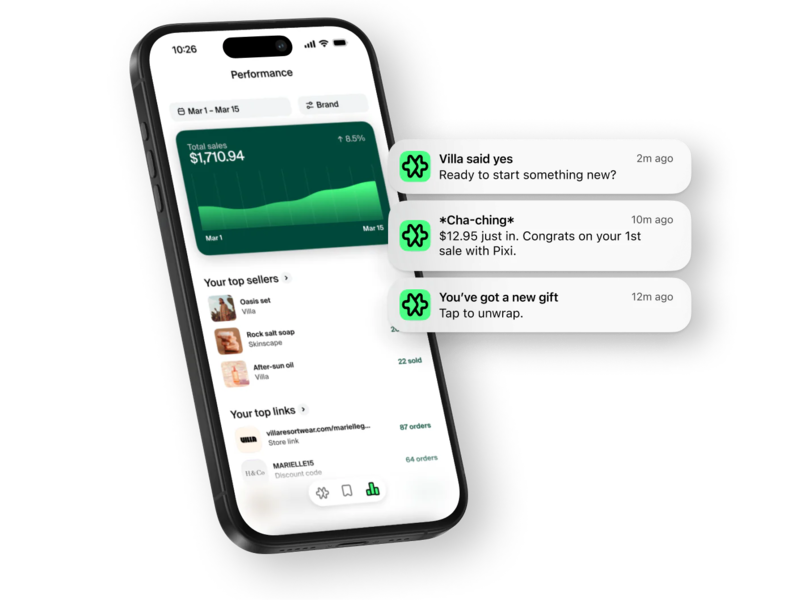
For influencer marketing, Shopify’s Collabs program introduced a dedicated mobile app for content creators. This app allows influencers to track sales performance, receive notifications about payouts or gifted products, and discover new products to promote—all from their phones. This aims to simplify collaboration between merchants and influencers, potentially increasing sales through word-of-mouth promotion.
Shipping and fulfilment improvements
Shopify Summer Edition updates related to shipping and fulfilment collectively enhance the accuracy and efficiency of order fulfilment, inventory management, shipping, and returns processes.
- Order picklist: Shopify’s admin now includes a pick list feature that allows staff to print picklists for orders, organised either by item or by order. These pick-lists include SKUs, quantities, and product images, helping reduce packing errors and speeding up the fulfilment process. This feature is delivered through an updated Order Printer app.
- Inventory transfer: To address challenges with inventory transfers that involve multiple shipments, Shopify now lets merchants track a single transfer across several shipments without manually splitting it into separate transfers. Additionally, a new barcode scanning capability allows real-time updates of inventory counts during transfers, similar to processes used by large retailers managing distribution centres to store stock movements.
- Simplified settings: Shipping settings are now easier to manage with a consolidated view showing all delivery methods per location. Merchants can see and toggle shipping, local delivery, in-store pickup, and pickup point options in one place, simplifying configuration and enabling quick pauses of specific fulfilment methods by location.
- Flat shipping rates for multi-location orders: Shopify introduced flat shipping rates for orders fulfilled from multiple locations, allowing a single flat fee to be charged even if items ship in multiple packages from different warehouses. This update aligns with checkout improvements to ensure consistent and fair shipping charges.
- Expanded third-party logistics integration: The Shopify Fulfilment Network (SFN) app now integrates additional third-party logistics providers such as Flexport, ShipBob, and ShipMonk. Merchants can view and compare 3PL metrics—including costs, delivery speeds, and coverage—directly within the Shopify admin, streamlining logistics management.
- New carrier options and return processing: Shopify Shipping added native carrier options in Canada and Europe, including Purolator (Canada), SEUR (Spain), and BRT (Italy), providing more reliable local delivery choices. Merchants can set preferred carriers by hiding unused options. Returns processing now includes a confirmation step to mark returns as “received,” ensuring sales and tax reports update only after items are physically returned.
Operations, performance, and admin updates
Shopify has made several behind-the-scenes improvements to platform performance and admin tools, enhancing the daily user experience.
- Shopify admin interface: It is now faster and more responsive, with loading times reduced by approximately 30%. Smarter loading indicators appear only when needed. Navigation is also improved with dynamic back buttons and breadcrumb trails, ensuring users can easily return to previous locations after navigating through orders or products. A dedicated Settings search bar allows users to quickly find specific settings by entering terms like "taxes" or "API permissions," streamlining store management.
- Core Web Vitals: Performance reports have been added to Shopify's analytics, providing merchants with detailed page-speed metrics for their store pages. This helps identify slow pages that may negatively impact SEO or user experience.
- Shopify Flow: Shopify Flow (available on Advanced and Plus) has been upgraded with features such as real sample data for variables, improved debugging with 14-day execution logs and search, and support for nested loops and multiple actions per iteration. A new Flow action can retrieve data from HTTP requests and securely store secrets, enabling workflows to call external APIs and use response data in subsequent steps.
Developer enhancements and APIs
Shopify’s Summer 2025 Edition brings a wide range of updates aimed at improving the developer experience and expanding platform capabilities.
Next-gen developer platform
A major focus is the Next-Gen Developer Platform, currently in early access, which streamlines workflows through a centralised Dev Dashboard and an enhanced Shopify CLI. This platform reduces development time and complexity by incorporating AI-powered code generation and declarative app data definitions that automate metafield setup across stores.
Frontend updates
The Shopify App Store and developer ecosystem received updates as well. New theme requirements for the upcoming Theme Store refresh were announced, and the Built for Shopify program now offers clearer guidelines, better support, and priority reviews to encourage high-quality apps. Discoverability improvements include targeted advertising by merchant plan, enhanced algorithmic recommendations, multilingual search improvements, and new ad placements on the App Store mobile app. Automated pre-submission app checks and review moderation aim to maintain app quality.
Developer tools now support live app previews without deployment and local development without tunnelling, simplifying testing and reducing common issues. Development stores are available for all Shopify plans, enabling thorough testing in environments that mimic Shopify Plus features. Front-end development benefits from Polaris evolving into a Web Components-based UI library, allowing consistent and framework-agnostic interface building that updates automatically via Shopify’s CDN.
Backend updates
Backend extensibility has been enhanced with Shopify Functions, now featuring AI-assisted documentation, new example recipes, and a WebAssembly Query API for more efficient data fetching. Functions can run in parallel at higher volumes and support POS-specific logic for in-store promotions.
The new Shopify Global Catalogue API aggregates product data from millions of stores (with opt-in), enabling developers and AI platforms to offer real-time product recommendations. Complementing this is the Storefront Model Context Protocol (MCP), which allows AI shopping agents to interact securely with store data to assist customers through conversational interfaces, including cart building and checkout initiation.
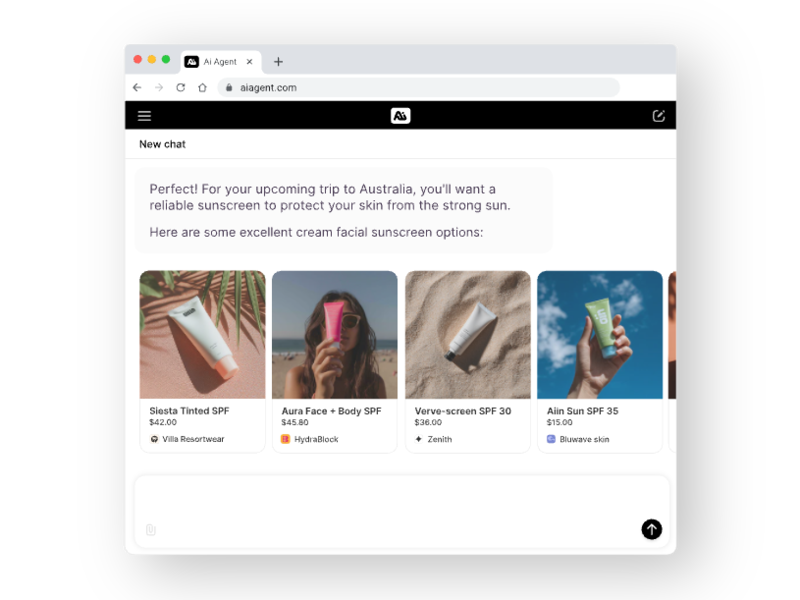
For custom storefronts, Shopify introduced Storefront Web Components—pre-built elements like product cards and carts that can be embedded on any website with minimal setup, supporting a composable commerce approach. The Hydrogen framework for headless commerce also received updates, improving routing, data loading, and middleware support to enhance performance and developer experience.
Conclusion: A new horizon for Shopify merchants and developers
Shopify’s Summer 2025 Edition truly lives up to the “Horizons” name – it opens new horizons for what merchants and developers can do on the platform. From AI-assisted store design and business insights, to faster checkouts and global selling tools, to a reimagined developer platform, this release empowers users to be more creative, efficient, and expansive.
As these new features become available, Shopify encourages merchants to optimise their online presence and operations by leveraging the latest updates for their storefronts. If you encounter challenges integrating features from the Summer 2025 Edition or need assistance with any aspect of Shopify, On Tap is here to help. With 19 years of experience delivering reliable eCommerce solutions, we provide comprehensive Shopify development services, including theme customisation, B2B integration, AI utilisation, and app development. Contact us today to turn these new capabilities into measurable results.