 Best full-service eCommerce agency 2026


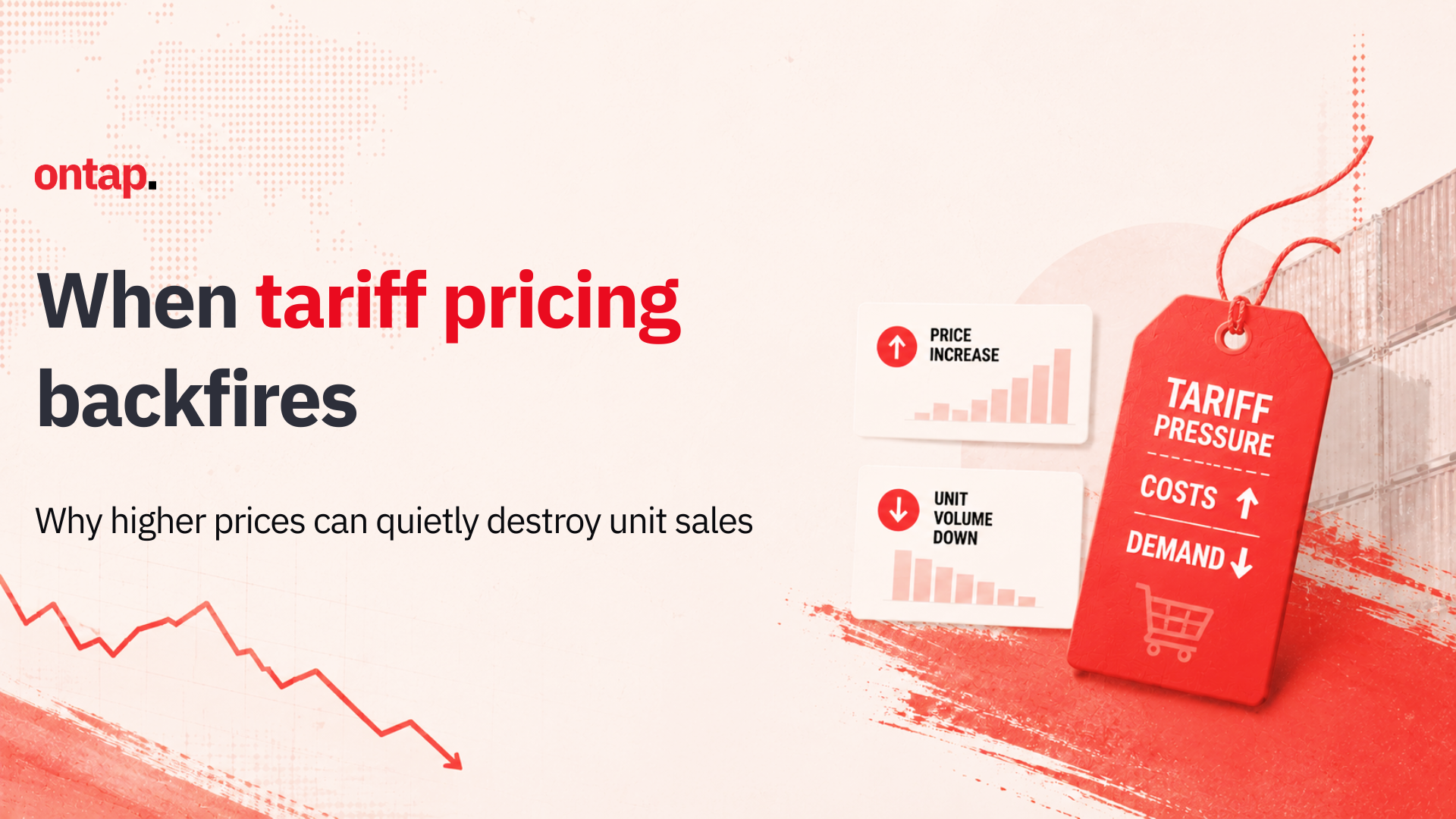
Elf Beauty just gave the eCommerce industry a masterclass in what happens when tariff-driven price increases meet consumer reality.
The cosmetics brand, which built its reputation on accessible pricing, announced it is reversing some of the price hikes it implemented in response to tariffs and inflation. The reason? A "pronounced decline" in unit volume that CEO Tarang Amin described as a significant wake-up call.
The numbers tell the story clearly. Elf Beauty saw a 5-point unit volume decline in Q4 following its $1-per-SKU price increase across the entire Elf brand. While dollar revenue looked strong - net sales were up 25% year over year to $1.6 billion for fiscal 2026, including a 35% Q4 increase - the unit economics told a different story. People were more per item, but buying fewer items. That is a dangerous trajectory for a volume-driven brand.
The tariff trap
Elf's situation illuminates a trap that many eCommerce merchants face in 2026. With tariffs running at 55% or higher on Chinese imports, plus ongoing inflationary pressures from fuel costs linked to the conflict in Iran, the arithmetic seems simple: costs go up, prices must follow.
But consumer behaviour does not follow arithmetic. As Amin explained on the earnings call: "From an external perspective, the pricing action was successful. Obviously, we had 55% tariffs, even higher than that at the time we made the pricing move, plus inflationary pressures that caused us to take a dollar price increase. Overall, as everyone has seen, our dollars increased with that, but our units fell off."
The company is now actively testing price rollbacks, and early results are promising. Testing showed strong unit recovery when prices were adjusted - for example, when a $4 reduction was applied to the Halo Glow skin tint, it delivered a nearly 40% lift in sales.
Lessons for eCommerce merchants
1. Across-the-board increases are the highest-risk approach
E.l.f. applied a flat $1 increase to every SKU. This is the simplest approach operationally, but the most dangerous commercially. Different products have different price elasticities. A hero product with strong brand loyalty can absorb more of a price increase than a commodity item with multiple alternatives.
The smarter approach is surgical: increase prices on products where you have pricing power (unique items, loyal customer bases, limited competition) and hold or even reduce prices on products where you're competing primarily on value.
2. Unit velocity matters more than average order value
Revenue growth from higher prices is seductive but often masks deteriorating health. When units decline, you lose market share, reduce purchase frequency, and weaken your position with retailers and marketplaces that reward velocity.
For eCommerce merchants, track your unit velocity as closely as your revenue. If revenue is growing but units are declining, you're on borrowed time.
3. Test before you commit
E.l.f.'s recovery approach - testing price adjustments on specific SKUs and measuring unit response - is the model to follow. In eCommerce, you have the advantage of being able to A/B test pricing in ways physical retail cannot. Use that advantage.
Run price sensitivity tests on key product lines. Measure not just conversion rate but units per transaction and repeat purchase rates. Build a data-driven understanding of where your pricing power actually lives.
4. Brand positioning constrains your pricing options
E.l.f. built its brand on being the affordable option. That positioning created a ceiling on price increases that other brands might not face. When you've promised value, every price increase directly contradicts your brand promise in a way that, say, a luxury brand's increase would not.
Understand your brand's pricing contract with customers. If you've positioned on value, explore every alternative to price increases before passing costs through: reformulating products, adjusting pack sizes, shifting sourcing, or absorbing margin temporarily.
The broader context: a consumer under pressure
Elf's experience sits within a broader pattern of cost pressure across retail. Walmart's CFO John David Rainey warned that fuel costs from the Iran conflict hit operating income by approximately $175 million in Q1, with higher retail price inflation expected in Q2 and the second half of 2026. Federal data showed consumer prices rose 3.8% in April, the first time inflation outpaced wage growth since 2023.
This is also the context behind the Shein acquisition of Everlane, which was confirmed the same week. Shein, the ultra-value fast-fashion platform, acquiring Everlane, the sustainability-focused DTC brand, for approximately $100 million, signals that even premium-positioned brands are vulnerable when consumer spending tightens. Everlane had been carrying approximately $90 million in debt, and common shareholders received no payout from the deal.
The On Tap’s takeaway
The next six months will significantly test eCommerce pricing strategies. Rates are not going away. Fuel costs remain elevated. Consumer confidence is fragile.
The merchants who thrive will not be those who simply pass through costs. They will be those who understand their product-level price elasticity and make surgical decisions, protect unit velocity as the leading indicator of business health, test aggressively rather than implementing blanket increases, and find operational efficiencies that reduce the need for price increases in the first place.
Elf's reversal is both a warning and an opportunity. The warning: blunt pricing instruments create blunt outcomes. The opportunity: the brands that get pricing right in this environment will take share from those that do not.
How On Tap can help
At On Tap, we are an eCommerce agency helping merchants navigate platform changes, pricing strategy, and the operational challenges of a shifting retail landscape. If you want to pressure-test your current pricing approach or build a more data-driven strategy for the months ahead, get in touch with our team.