 Best full-service eCommerce agency 2026


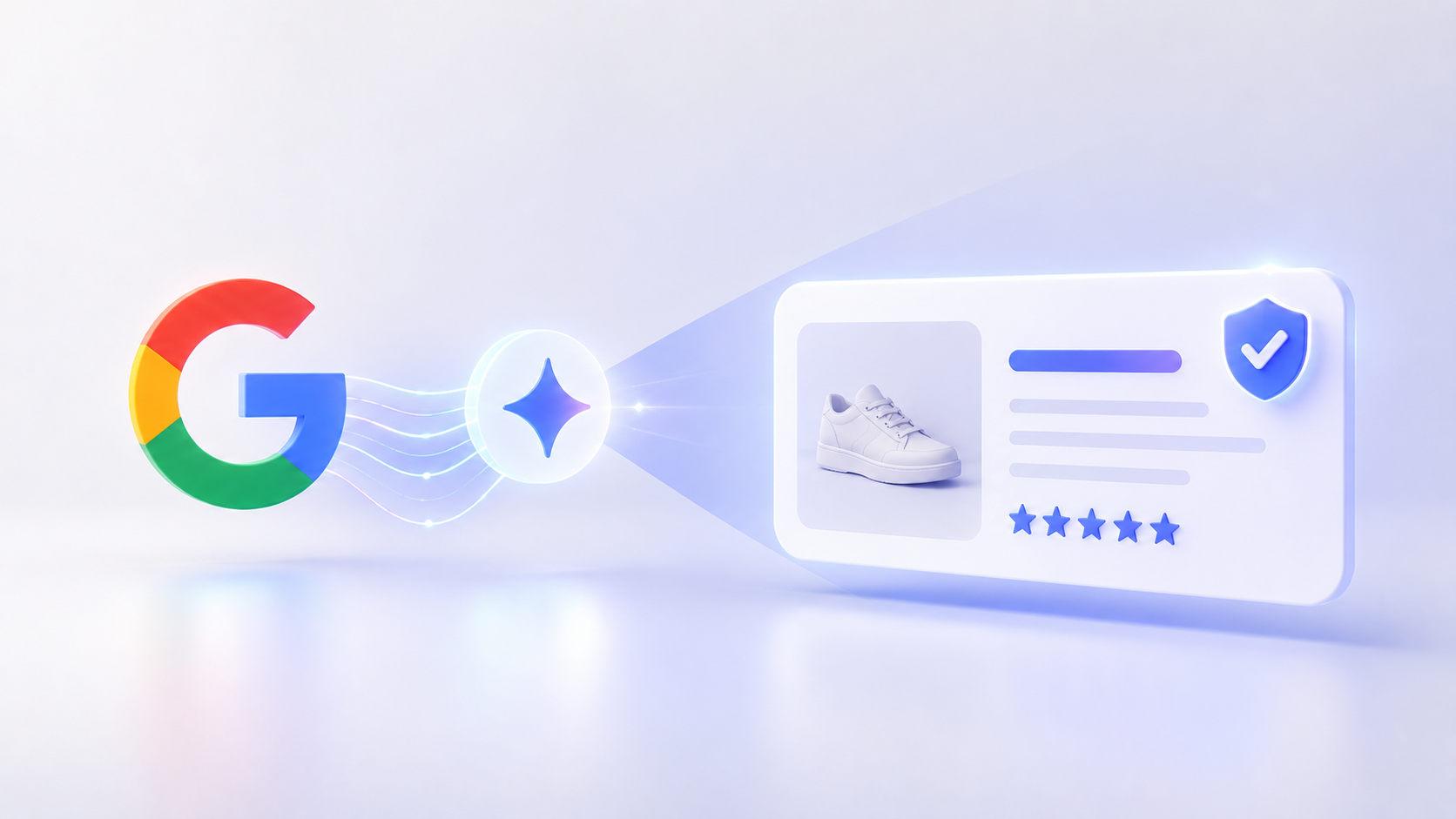
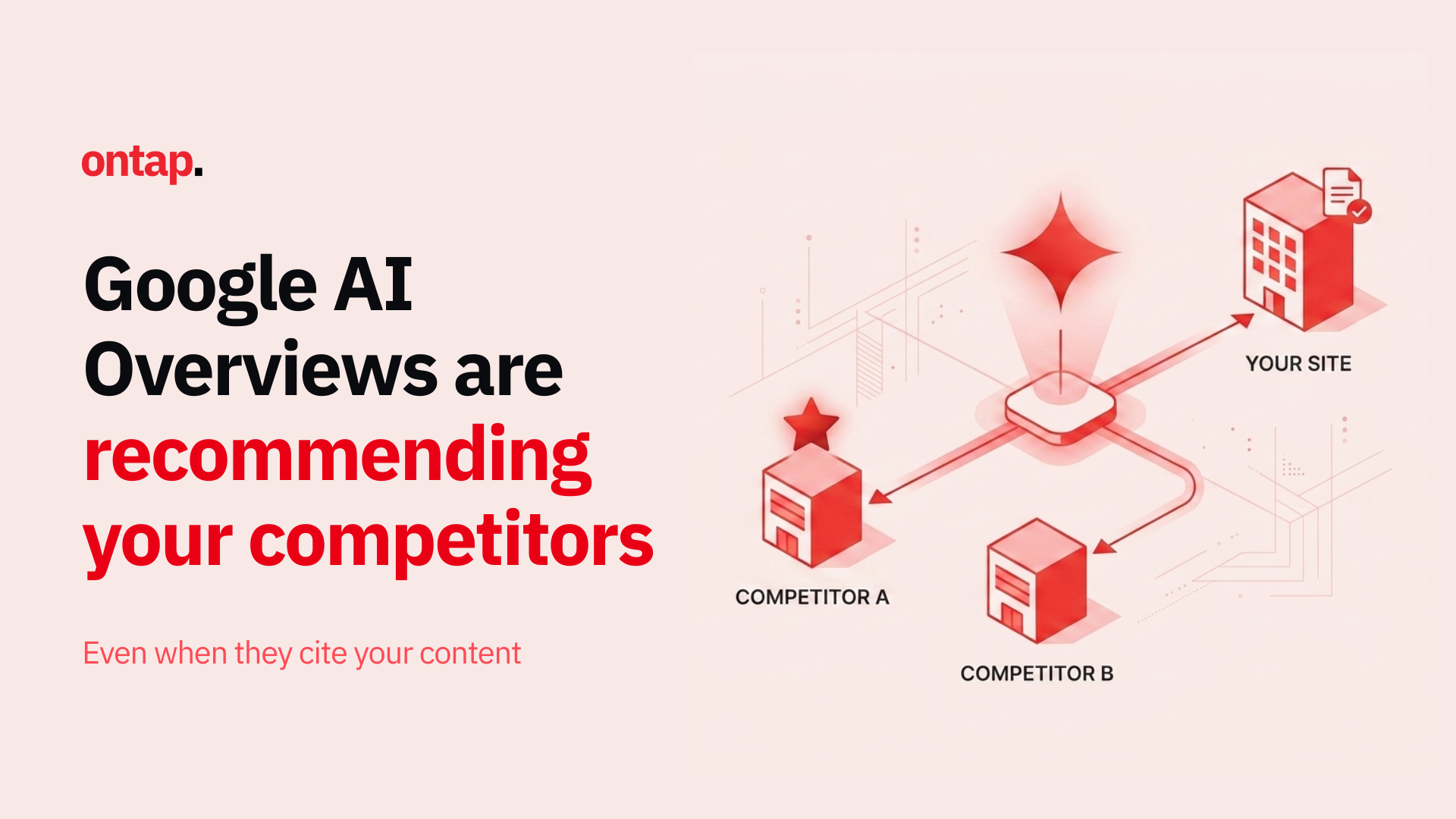
Google just made its most significant change to AI-powered search visibility since launching AI Overviews, and it has profound implications for how eCommerce merchants get discovered by shoppers.
On May 27, Google announced that AI Overviews and AI Mode are gaining three major new features: preferred sources, a perspectives carousel, and "highly cited" labels. Together, these changes represent a fundamental shift in how Google signals trust and authority in AI-generated answers, and for eCommerce businesses, understanding them isn't optional.
What Google actually announced
Let's break down the three changes:
-
Preferred Sources allow users to mark specific websites as trusted sources. When you designate a site as "preferred," Google's AI will prioritise content from those sources when generating AI Overviews and responses in AI Mode. This is user-controlled curation layered on top of Google's algorithmic ranking.
-
The Perspectives Carousel surfaces content from real people, forum posts, social media commentary, and video reviews directly within AI-generated results. Google describes this as "new ways to help you find high-quality content and firsthand perspectives."
-
"Highly Cited" Labels visually flag sources that are referenced frequently by AI systems. If your content is being used to generate AI answers, Google now tells the user that your site is a go-to authority on the topic.
Why this matters more than you think
For the past year, the conversation about AI search has centred on one fear: that AI Overviews would steal traffic by answering queries without users ever clicking through to the source. And that concern wasn't unfounded; early data showed reduced click-through rates for certain informational queries.
But today's announcement flips the incentive structure. Google is now explicitly rewarding sources that AI systems cite frequently, giving them visible authority badges. If your product content, buying guides, or category pages are consistently referenced in AI Overviews, Google will now tell users you're a trusted source, directly in the search results.
This is the clearest signal yet that Google understands the "free rider" criticism and is actively trying to create a value exchange: if you provide content that makes AI answers better, Google will amplify your brand authority.
The new rules of AI visibility: The SEO-GEO Gap and How to measure it
Understanding that Google rewards citation-worthy content is one thing; knowing what that content looks like in practice, and how to track whether yours qualifies, is another. Two pieces of research published on the same day as Google’s announcement make both questions much clearer.
Search Engine Land published compelling new research exploring how AI search traffic differs fundamentally from organic traffic. The data from ten websites reveals a critical insight: content that performs well in traditional organic search does not necessarily perform well in AI-generated results.
The research found that original research, interactive tools, and content structured in an "answer-first" format significantly outperforms generic educational articles in what's being called GEO, Generative Engine Optimisation. This matters for eCommerce merchants because the content that earned you organic rankings for the past decade may not be what earns you AI visibility going forward.
Generic product descriptions and boilerplate category text? Those get summarised and forgotten. Detailed buying guides with proprietary data, comparison tools, and first-person expertise? Those get cited, and now, Google labels them as such.
Knowing the rules is only half the equation. The same research also offered an important framework for how to actually track AI visibility, and it starts with letting go of traditional rank tracking.
Search Engine Land’s analysis of the “micro-macro shift” in measurement acknowledges a hard truth: traditional rank tracking is becoming less precise in an AI-mediated search environment. The recommended approach is to build a “macro visibility” framework that tracks recommendation trends across AI platforms over time, rather than obsessing over whether you appeared in any single AI response.
For eCommerce businesses, this means monitoring whether your brand, products, and content are being cited across Google AI Overviews, ChatGPT, Perplexity, and other AI search visibility, and tracking the trend line, not individual mentions.
What eCommerce merchants should do now
-
Audit your "cite-worthiness." Look at your product content through the lens of an AI system. Does it contain specific, verifiable data points? Expert opinions with clear attribution? Comparison data that would be useful in a recommendation? If your content reads like marketing copy, it won't get cited. If it reads like expert analysis, it will.
-
Invest in original research and tools. The SEO-GEO gap data is clear: proprietary data and interactive tools earn disproportionate AI citations. If you're in a category where you can produce buying guides backed by testing data, sizing tools, or comparison calculators, do it now.
-
Structure for answer-first consumption. AI systems extract answers from your content. If your key insights are buried after three paragraphs of introduction, AI won't find them, or won't attribute them to you. Lead with the answer. Provide depth below.
-
Build your "preferred source" strategy. The preferred sources feature creates a new form of brand loyalty, one that operates at the search infrastructure level. If customers mark your site as preferred, your content gets amplified in every future AI interaction they have. This makes email, loyalty programmes, and post-purchase engagement even more important: give customers reasons to trust you enough to make you their preferred source.
-
Start macro measurement now. Don't wait for perfect tools. Begin manually querying AI platforms for terms related to your products weekly. Track whether you appear, how you're described, and whether the trend is improving. This baseline will be invaluable as more sophisticated measurement tools emerge.
The bigger picture
Google's announcement, the SEO-GEO gap research, and the measurement framework together paint a coherent picture: the age of AI-mediated product discovery isn't coming, it's here. But contrary to the dystopian narrative where AI destroys all source traffic, Google is building systems that reward the best content creators with visible, persistent authority signals.
For eCommerce merchants, the message is clear. The investment you make in content depth, data quality, and machine readability today will compound into AI visibility tomorrow. And with Google now literally labelling trusted sources in AI results, the gap between merchants who invest in this infrastructure and those who don't is about to become very visible indeed.
On Tap helps eCommerce businesses navigate the rapidly evolving landscape of AI-powered product discovery. If you're looking to build your AI visibility strategy, get in touch.