 Best full-service eCommerce agency 2026


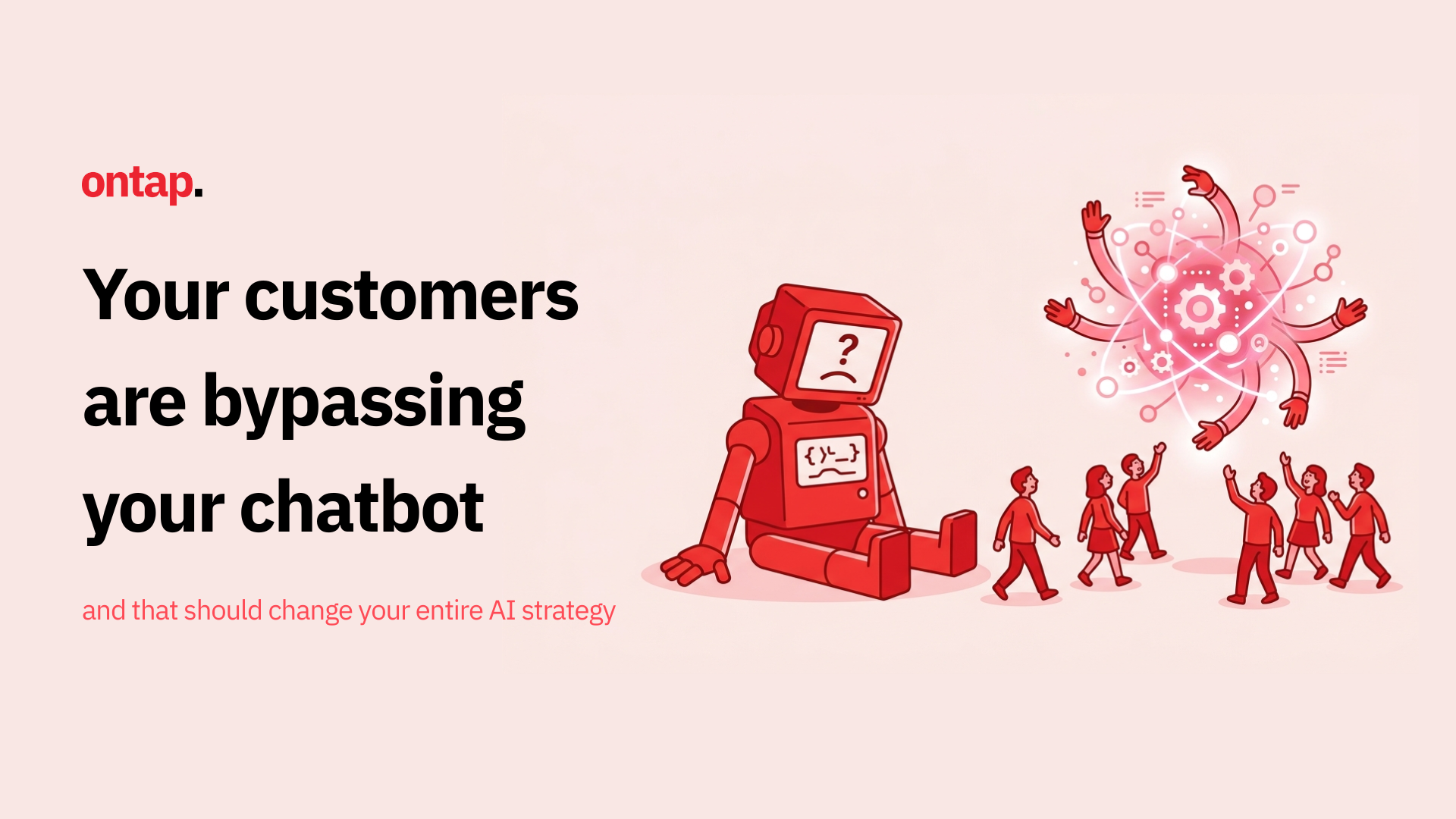
New research from Gartner reveals a striking disconnect in how consumers interact with AI for customer service: customers are now three times more likely to use a third-party generative AI tool such as ChatGPT or Claude than a brand's own chatbot. More telling still, while third-party AI tool usage has doubled in the past year, brand chatbot adoption has not statistically increased since 2022.
This is not just a customer service story. It is a fundamental signal about where AI-mediated commerce is heading, and which merchants will win.
The data that should worry you
The Gartner survey of 3,566 B2B and B2C customers, conducted in February and March 2026, identified three key behavioural shifts. Customers are far more likely to use third-party GenAI tools than company-provided chatbots. Customers are using GenAI to complete tasks and take action, not only to get answers: 58% have used it to complete a task, and nearly three-quarters of B2B customers have used it to accomplish a task. And customers expect the option to reach a human agent when companies use AI in customer service.
As Eric Keller, Senior Director Analyst in Gartner's Customer Service and Support Practice, stated in the Gartner press release: "Customers are embracing GenAI in both life and work, but so far, that has not translated into growth in the use of company-provided customer service chatbots. Instead, GenAI is shifting some service interactions outside of company-owned channels."
The investment misalignment is stark. According to a separate Gartner survey of 1,303 senior leaders, service and support departments allocated a median of 12% of their 2025 budgets to AI, the highest investment level across all ten business functions assessed. Yet only 24% of service and support leaders demonstrated positive financial returns across their AI use cases. As Keller noted: "The disappointing impact of customer-facing GenAI investments has less to do with technology limitations and more to do with misalignment with customer expectations."
Two-thirds of consumers now use generative AI in some form. The AI adoption battle is not about getting consumers comfortable with AI. That has already happened. It is about meeting them where they already are.
Why third-party AI is winning
The reasons consumers prefer third-party AI tools are not mysterious, but they are uncomfortable for brands that have invested heavily in custom chatbot experiences.
-
Familiarity and trust: Consumers have a relationship with ChatGPT or Claude that extends far beyond any single brand interaction. They use these tools for work, personal research, creative projects, and now shopping. The trust is pre-built.
-
Capability: Third-party AI tools can draw on broader knowledge bases, compare across brands, and handle nuanced queries that purpose-built chatbots struggle with. When a customer asks "is this return policy reasonable compared to competitors?" a brand chatbot can only answer from one perspective.
-
Task completion: As Retail Dive's coverage highlighted, Keller identified a critical missed opportunity: "Often the brand's chatbot will simply answer questions. And then if you want to transact, if you want to make an update, if you want to add something, if you want to change something, it's going to send you a link to go somewhere else on that website and do it." Customers want action, not links to action.
What this means for eCommerce merchants
Stop investing in chatbot adoption. Start investing in AI readability.
If consumers prefer third-party AI tools, your priority should not be building a better chatbot. It should be ensuring that third-party AI tools can accurately represent your brand, products, and policies when customers ask about you.
This means:
Structured product data that AI systems can parse and compare. Complete schema markup, accurate Merchant Centre feeds, comprehensive product attributes.
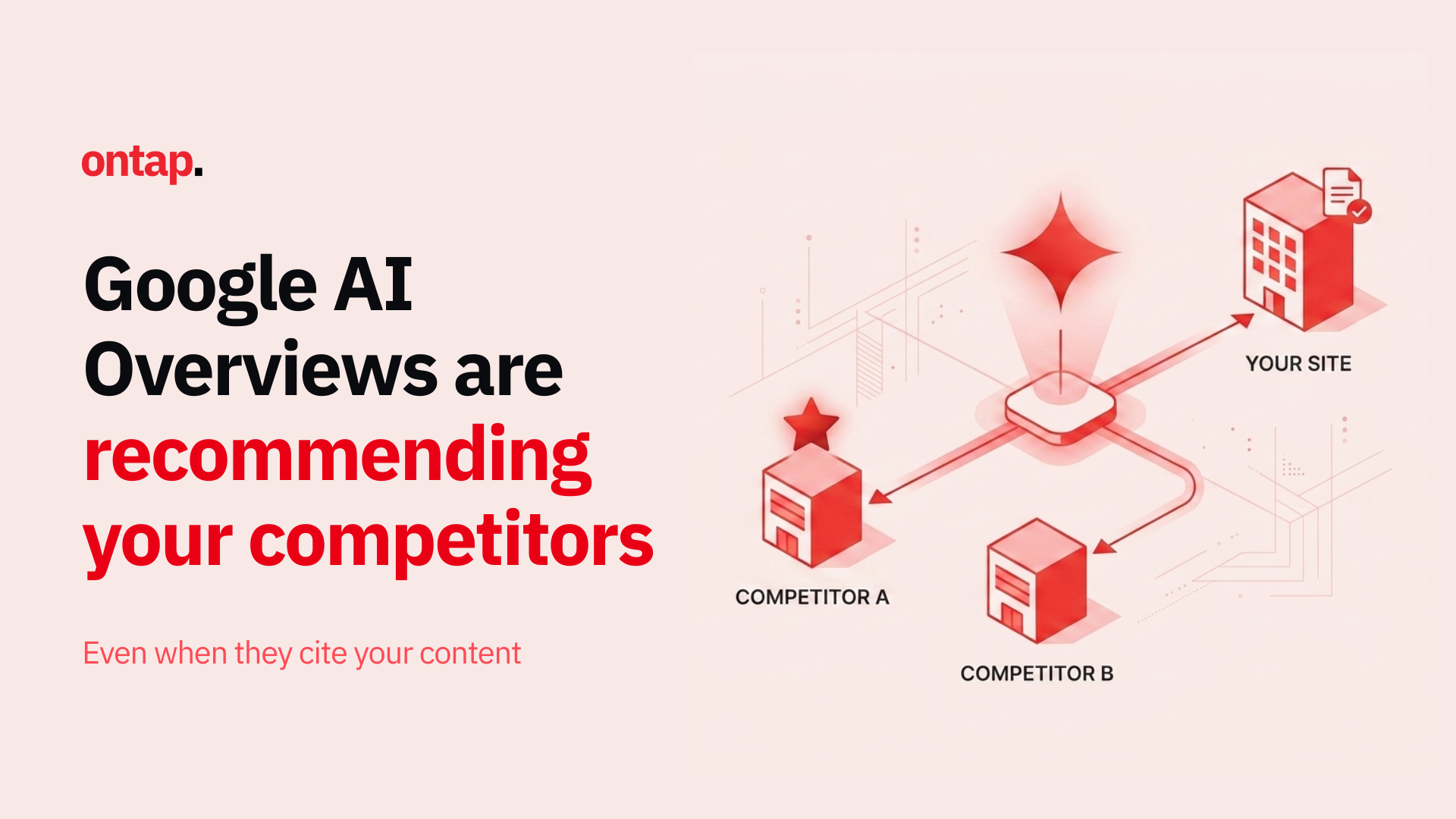
Clear, machine-readable policies for returns, shipping, warranties, and pricing. If an AI agent cannot quickly find and understand your return policy, it will either make something up or recommend a competitor whose policy is clearer.
API-accessible inventory and pricing so AI systems can provide real-time information rather than stale cached data.
Rethink your customer service investment
This does not mean abandoning AI in customer service. It means shifting from "build our own AI chatbot" to "ensure third-party AI tools can serve our customers well."
Consider publishing comprehensive FAQ content in structured formats. Make your help centre content crawlable and well-organised. Use schema markup for FAQ and How-To content. The goal is to be the best possible source when a customer asks Claude or ChatGPT about your brand.
For complex, account-specific queries that require authentication, including order tracking, account modifications, and warranty claims, you still need direct customer service channels. But even here, the Gartner data suggests the opportunity is in enabling task completion, not just question answering. Brand chatbots that can actually execute changes rather than linking customers elsewhere are the ones positioned to recapture relevance.
The brand identity challenge
When consumers interact with your brand through a third-party AI tool, the AI's representation of your brand is your brand in that moment. If the AI tool has outdated information, incomplete product data, or a misunderstanding of your value proposition, that is what the customer experiences. You do not get to control the presentation layer the way you do on your own website.
The merchants who will navigate this best are the ones who treat their digital presence as a data layer that serves multiple interfaces: their website, marketplace listings, AI agents, and whatever comes next, rather than optimising solely for how things look on their own storefront.
The bigger picture
The Gartner data is not telling us that AI in customer service has failed. It is telling us that consumers have already decided which AI tools they trust, and they are not the ones brands are building. Smart merchants will stop fighting this trend and start embracing it by making their businesses as AI-readable, AI-accessible, and AI-friendly as possible.
Your product data is becoming your primary sales channel. Not your website design. Not your chatbot. Your data. The question is not whether your customers will use AI to interact with your brand. They already are. The question is whether the AI they are using has the right information to represent you well.
About On Tap
On Tap is a growth-focused eCommerce consultancy helping mid-market and enterprise merchants prepare for AI-mediated commerce. From structured data implementation and product feed optimisation to customer service strategy and AI readiness audits, On Tap helps merchants ensure that every AI system, whether owned or third-party, can represent their brand accurately.
If you want to understand how AI systems currently represent your brand and what to do about it, get in touch.