

Fashion brands that transitioned to eCommerce are reaping massive rewards, from skyrocketing conversion rates to loyal customer bases built on immersive online experiences. Yet, with fierce competition from giants and emerging D2C players, unlocking this market potential requires staying ahead of key trends, such as headless commerce, AR try-ons, and omnichannel integration.
In this post, we'll delve into the market potential driving eCommerce for fashion, highlight the top trends you must adopt to stay competitive, and showcase effective strategies with real-world reference website examples from top performers. Get the insights to enter the industry confidently, launch smarter, and scale fast.
Why eCommerce for fashion: Market size and ROI potential
eCommerce for fashion surges to $974.87 billion globally in 2025. It heads toward $1.5 trillion by 2029 with an 11.5% CAGR that signals massive growth and profitability for merchants, outpacing slower sectors like electronics and groceries.
In Europe only, apparel eCommerce hit $204 billion in 2021. It will expand at 8.3% CAGR to $418 billion by 2030, capturing 36.9% of the global share. France leads at 20.4% CAGR as brands like Chanel and Dior dominate international online markets, per Grand View Research.
Success stories from Nike ($14B net sales in 2024) and Zara ($6.5B) highlight quick ROI. Europe's 33% online sales share (vs. global 24%), strong US/UK clothing demand (43-58% of online buys), and 2.3 billion users by 2029 drive low-risk, repeat business.
eCommerce for fashion holds tremendous potential with explosive scale, superior margins, and proven wins. Yet merchants must tackle challenges like fierce competition, supply chain logistics, and high return rates before joining to unlock true returns. Continue reading to discover if you're equipped to tackle fashion eCommerce challenges and maximise profits.
Are you truly ready to launch your fashion brand into eCommerce?
Before launching, fashion businesses must rigorously evaluate their operational, technical, and market foundations to ensure they can scale efficiently and meet customer expectations.
Technical infrastructure
Before launching into eCommerce, fashion brands need a technical setup capable of handling growth and international expansion. This includes scalable hosting for traffic spikes, a fast, mobile-optimised website, and a flexible CMS to manage products and collections efficiently.
Core systems such as CRM, ERP, inventory, and order management should be integrated from the start to ensure accurate stock, smooth fulfilment, and consistent customer data. A well-connected infrastructure minimises operational risk and delivers a seamless experience for customers as the business scales globally.
Inventory and supply chain
Accurate, real-time stock visibility across warehouses, suppliers, and physical stores is critical to preventing stockouts during demand spikes. Suppliers should demonstrate reliability through flexible lead times, contingency planning, and contractual commitments to quality and delivery speed.
Multichannel fulfilment options such as click-and-collect should be tested alongside localised inventory storage. These capabilities help absorb demand surges driven by promotions or fast-moving trends. Demand forecasting should combine historical sales data with fashion trend insights and remain resilient to shipping delays or supply chain disruption.
Customer experience
A strong customer experience relies on meaningful personalisation. Smart tools should recommend products based on shopper behaviour and preferences. Features such as virtual fitting tools, detailed size guides, and 360-degree product views help reduce returns caused by sizing issues.
Global growth requires multilingual content, localised pricing, and region-specific shipping options. Responsive customer support through live chat and email supports conversion and cart recovery. Navigation should remain intuitive, with clear filters, minimal checkout steps, and behavioural heatmaps to understand user paths.
Marketing and analytics
Brand demand requires multi-platform marketing resources. These include high-quality media for your eCommerce website and social channels like Instagram and TikTok, plus clearly mapped customer journeys from awareness to purchase.
Delivery channels such as social ads, email nurturing, and search retargeting effectively guide users through a structured conversion flow:
-
Discovery via engaging reels and influencers
-
Consideration with detailed product pages and AR try-ons
-
Purchase through seamless checkouts on websites or marketplaces
Ensure your brand is fully equipped with these essentials to drive subscriber growth, engagement, and partnerships. Track traffic sources, conversion paths, and customer lifetime value (CLV) with analytics systems for continuous optimisation.
Financial and legal prep
Sufficient capital must be available to support inventory procurement, platform implementation, and marketing investment. Financial planning should account for operational runway during early-stage volatility.
Privacy standards such as GDPR and CCPA should be built in from the start. Policies should clearly define transactions, refunds, and buyer protections. Legal preparation must also address fit accuracy disclosures and cross-border duties.
Team and operations
Your personnel should combine expertise in eCommerce, fulfilment, and customer support. They must be able to adapt quickly as demand patterns evolve. Clear operational workflows are required for order processing, quality control, and issue resolution, supported by performance tracking through customer feedback and sales velocity.
Ongoing education should be prioritised across the organisation. This includes training, competitive analysis, and responsiveness to market shifts. Examples include increased instalment adoption and advances in smart or personalised apparel technologies.
Pivotal eCommerce fashion trends for 2026 to stay ahead
Explore the latest trends like shoppable social feeds, virtual stylists, seamless multi-channel experiences, and frictionless payments, and grasp them to build loyalty, cut costs, and capture trillion-dollar growth.
Social commerce
Social commerce turns Instagram, TikTok, and Facebook into shopping destinations with shoppable posts, live-stream sales, and influencer recommendations that drive impulse buys without app-switching. One-third of shoppers now discover brands through social channels, powered by 1.98 billion Facebook daily users, accelerating viral fashion trends and driving significant sales growth.
Gen Z leads adoption with 60% purchasing through influencers (double the overall rate), favouring authentic endorsements over traditional ads. Millennials follow closely for entertaining, trend-driven buys. Nearly all users (98%) access social platforms via mobile, enabling frictionless in-app checkouts that slash cart abandonment from 86% on non-optimised sites and amplify spontaneous fashion spending.
Personalisation
Personalisation tailors eCommerce experiences to individual preferences via customisation options, dynamic merchandising, and advanced search functions, fostering stronger customer connections and retention. In 2025, 67% of eCommerce organisations prioritise personalisation as a top investment area, and 73% of customers expect companies to adapt to their changing needs and preferences amid advancing technology.
Fashion leaders adopting these approaches secure heightened loyalty. Shoppers prefer retailers that match recommendations to their lifestyles and tastes, reducing cart abandonment and boosting repeat purchases in a crowded market. This trend goes beyond recommendations to seamless omnichannel integration. Personalised mobile alerts and post-purchase style tips embed brands in shoppers' wardrobes, driving sustainable revenue growth.
AI
AI makes fashion shopping easier with tools like virtual stylists, smart size suggestions, and trend predictions. These help shoppers find perfect fits and outfits without guesswork, cutting down returns from bad sizing. Market research shows the AI fashion market hitting $1.77 billion in 2025, with a 40.4% CAGR propelling it to $6.99 billion by 2029, highlighting rapid industry adoption.
A recent peer-reviewed study reveals key AI impacts in fashion eCommerce: 70% of online shoppers worry about trying on clothes, but AI virtual try-ons boost engagement by 47% and cut returns by 17-25%. Businesses use computer vision, so shoppers can search by snapping a photo of a style or colour they like. Virtual try-ons let customers "wear" clothes on their phone using AR cameras that scan body shape for realistic previews. Brands also mix different AI methods to predict what you'll buy next, spot trends early, and create virtual stylists that build full looks based on your tastes.
Unified, omnichannel shopping
Unified omnichannel shopping creates one seamless fashion experience across online stores, mobile apps, physical boutiques, and localised platforms. Buyers browse trends digitally, reserve outfits via app, try sizes in-store, or get region-specific deliveries, all without repeating logins or stock mismatches.
Real-time systems sync inventory and profiles, powering buy online, pick up in store (BOPIS), where customers buy dresses online and pick up to try on. Nearly 60% of fashion retailers offered this service, while over 68% of U.S. shoppers used BOPIS at least once.
New payment options
Digital payment methods are rising rapidly in fashion eCommerce, powering digital wallets, BNPL, and one-click checkouts that streamline purchases across apps, websites, and in-store terminals. Shoppers finance trendy outfits or accessories through interest-free instalments or swipe e-wallets like Apple Pay for seamless transactions, eliminating lengthy forms during flash sales or trend drops.
BNPL thrives on eCommerce platforms, ranking as a top choice for fashion and accessories at 46% usage, nearly matching electronics at 49%, allowing customers to snag dresses, bags, or jewellery without full upfront payments.
These options boost impulse buys and loyalty by reducing friction, proving flexible payments accelerate cart completions and drive repeat fashion spending.
|
Stay ahead of the latest fashion eCommerce trends with expert guidance On Tap helps merchants identify the most relevant trends and turn them into growth opportunities for their online stores. Reach out to On Tap and let our experts guide your fashion brand in leveraging top eCommerce trends for growth. |
Strategies for building a strong fashion eCommerce foundation
For fashion merchants entering eCommerce for the first time, success depends on making the right strategic choices before launch. The goal is not only to sell online, but to build a scalable, efficient, and customer-focused operation that can grow with demand. The following steps outline how to approach eCommerce strategically from the ground up.
Choose an eCommerce platform built for fashion scale and speed
Your eCommerce platform is the foundation of fashion success. When choosing a platform, fashion brands should prioritise flexibility, reliability, and long-term scalability.
Key platform requirements:
-
Core fashion functionality: Select a platform that natively supports massive SKUs, product variations (sizes/colours), frequent collection updates, high-quality visuals, fast inventory sync, and mobile-first design without workarounds.
-
Performance, scalability, and mobile optimisation: Must support traffic spikes from launches, promotions, and seasonal peaks while maintaining mobile optimisation and high-quality visuals.
-
Seamless integrations: Connects effortlessly with key systems such as shipping providers, CRM, analytics tools, messaging platforms, and third-party services. Real-time data sync reduces manual work and supports smoother operations as volumes grow.
-
Security & reliability: Features encryption, payment compliance, fraud prevention, and stress-tested performance for high-demand periods to maintain customer trust
-
Growth and international readiness: Support for multiple currencies, languages, tax rules, and international shipping allows brands to expand without replatforming.
Recommended platforms for fashion merchants:
-
Shopify:
-
Pros: Shopify is well suited for small to mid-sized fashion brands launching their first online store. It offers fashion-ready themes, strong mobile performance, and a fast setup process that allows brands to go live quickly. Its large app ecosystem supports payments, shipping, and marketing with minimal technical effort.
-
Cons: As operations grow more complex, Shopify can become restrictive. Deeper customisation and advanced workflows often rely on third-party apps, which can increase costs and complexity.
-
Magento:
-
Pros: Magento is ideal for larger or more complex fashion businesses that require deep customisation. It supports sophisticated catalogue structures, advanced inventory management, and highly tailored customer journeys. The platform is well suited for integration-heavy and omnichannel environments.
-
Cons: Magento comes with higher upfront and ongoing costs. It requires significant technical expertise to build, maintain, and upgrade, and long-term maintenance can be resource-intensive for teams without dedicated development support.
-
BigCommerce:
-
Pros: BigCommerce works well for fashion brands seeking strong built-in features without heavy reliance on plugins. It handles complex product catalogues effectively and scales reliably while remaining relatively easy to manage. Platform costs are typically lower than fully custom enterprise solutions.
-
Cons: Customisation options are more limited compared to highly flexible platforms. The theme and app ecosystem are not as extensive as some other options, which may restrict brands that require very bespoke front-end experiences or niche integrations.
Platform selection should align with your current capabilities while supporting long-term growth and development. Changing platforms after launch can be costly and disruptive, so making a well-informed choice early on is necessary to avoid expensive replatforming and operational downtime.
|
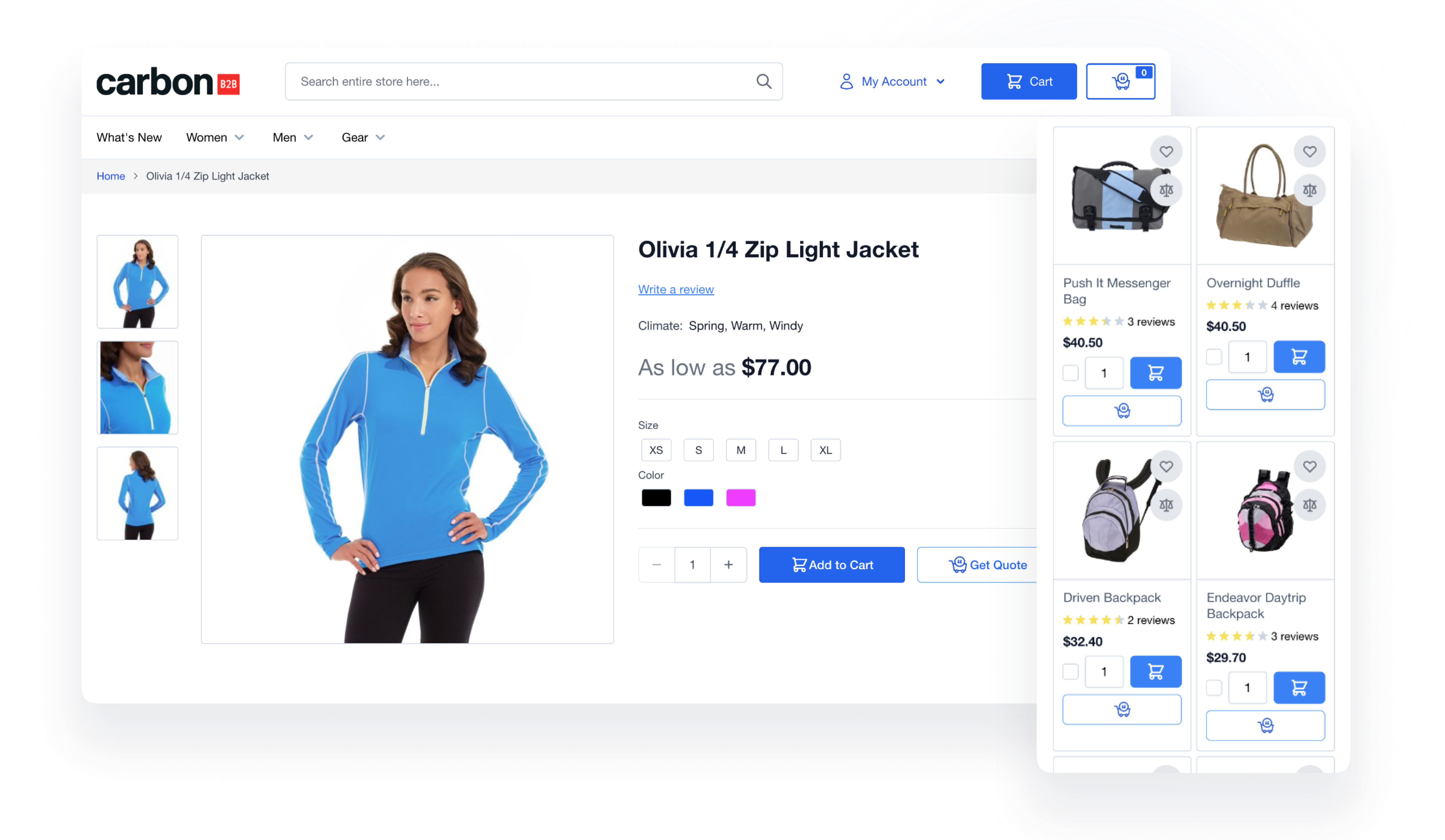
Looking for a platform to fix the above limitations? Discover Carbon - the scalable, customisable platform built for seamless omnichannel growth:
Launch your fashion store faster and smarter with Carbon today.
|
Design an end-to-end user experience that drives conversion
Every interaction counts: a smooth, intuitive experience can turn browsers into loyal customers. From initial search to post-purchase engagement, each stage should lead shoppers effortlessly, fostering discovery, confidence, and repeat purchases.
1. Product search
Shoppers often look for inspiration rather than exact keywords, and typing on mobile can lead to mistakes. A strong search experience helps them find what they want quickly and easily.
Key features:
-
Prominent, always-visible search bar, optimised for mobile
-
Instant suggestions (autocomplete, popular searches)
-
Tolerance for spelling mistakes and synonyms
-
Visual search using photos or uploads
-
Voice search for mobile convenience
2. Navigation and product discovery
With large catalogues and multiple variants, browsing can be overwhelming. Clear navigation and intuitive discovery tools keep shoppers engaged and reduce bounce rates.
Key features:
-
Logical category hierarchy (e.g., Women > Dresses > Party)
-
Compact filters: size, colour, price, brand, rating
-
Multi-select filters and sliders, mobile-friendly drawer design
-
Sorting options: newest, best sellers, price
-
Infinite scroll or “Load more” buttons
-
Visual labels: New, Sale, Low Stock
-
Colour swatches on listing pages
-
Quick view and add-to-cart options
3. Product pages
Detailed product pages help shoppers make confident choices and reduce returns. Visuals, sizing information, and social proof are essential.
Key features:
-
High-resolution images from multiple angles, videos, or 360° views
-
Model images showing actual fit
-
Size charts and smart size recommendations
-
Customer reviews and user-generated content
-
Suggested products: similar items or “complete the look”
-
Easy wishlist and social sharing
4. Post-purchase experience
A smooth post-purchase experience encourages loyalty and repeat purchases. Efficient order tracking, easy returns, and personalised engagement make customers more likely to come back.
Key features:
-
Clear order tracking and delivery updates
-
Self-service returns with minimal steps, exchanges, or refunds
-
Fast support via chatbot, live chat, and FAQs
-
Loyalty programs, personalised recommendations, and reward points
-
Encouraging reviews and user-generated photos
By creating a complete, end-to-end user experience, fashion brands can guide shoppers from inspiration to purchase and beyond. Every step should feel effortless, inspire confidence, and drive repeat engagement, ultimately boosting conversions and long-term loyalty.
Integrate systems for operational efficiency
Early system integration is critical for fashion brands planning to scale. As order volumes grow, disconnected tools quickly lead to stock inaccuracies, delayed fulfilment, and fragmented customer data. From launch, fashion brands should focus on integrating the following core systems:
-
Inventory management systems: Provide real-time stock visibility across all channels, warehouses, and stores. This is essential for fashion brands managing fast-moving collections, limited runs, and multiple sizes or colours, helping prevent overselling and lost sales.
-
CRM and customer data platforms: Centralise customer profiles, purchase history, and preferences. This enables consistent communication, personalised experiences, and better long-term customer value.
-
Admin and order management tools: Streamline order processing, fulfilment workflows, and reporting. Integrated admin tools reduce delays and support smoother operations as volumes increase.
-
Customer communication platforms: Automate order confirmations, shipping updates, and service notifications, improving transparency and reducing support pressure on growing teams.
-
Payments and fraud management systems: Support secure payment options such as mobile wallets, buy-now-pay-later, and regional gateways, with competitive fees and robust fraud controls across all channels.
While traditional integrations often rely on individual connectors for each system, this approach becomes increasingly manual and complex as more tools are added. Each new connector introduces additional maintenance and potential failure points.
A modern, API-first integration approach offers greater flexibility and scalability. APIs enable real-time data synchronisation, easier system expansion, and reduced operational overhead. For fashion brands, this ensures inventory, orders, payments, and customer data remain accurate and consistent as the business grows.
|
Learn how On Tap’s Integration Flow simplifies system connections and keeps fashion operations in sync. |
Plan for omnichannel growth from the beginning
Today’s fashion customers expect flexibility across channels. Even brands launching online-first should design their operations with omnichannel growth in mind, as this aligns with dominant market trends. Not every eCommerce system supports advanced options like buy online, pick up in-store, ship from store, or shared inventory effectively. Choosing the wrong platform early leads to costly migrations later.
Returns and refunds play an important role in omnichannel fashion retail. Clear policies, flexible return methods, and consistent handling across online and in-store touchpoints help build trust and remove barriers to purchase.
For brands with physical locations, omnichannel success depends on connected systems. Real-time visibility across eCommerce, warehouses, and stores ensures pricing consistency, prevents overselling, and creates a smoother customer experience. Planning for this integration early allows fashion brands to scale into physical retail without operational friction.
Manage supply chains and inventory effectively
Effective supply chain and inventory management are crucial in fashion eCommerce, where trends shift rapidly, and product lifecycles are brief. Brands must ensure real-time inventory visibility across suppliers, warehouses, and sales channels to prevent stockouts, overselling, and missed revenue.
Inventory planning should combine historical sales data, trend insights, and marketing calendars. This allows brands to align stock levels with demand peaks while avoiding excess inventory once trends fade. Managing multiple sizes, colours, and collections requires systems that update accurately and consistently.
Fulfilment strategies should remain flexible. Using a mix of warehouses, local storage, or store-based fulfilment improves delivery speed and supports omnichannel capabilities as the business grows.
Top eCommerce fashion brands to watch in 2026
Leading fashion brands continue to raise the bar for online retail by combining strong technology foundations with seamless customer experiences. The following examples demonstrate how the right strategies translate into real-world success.
Gymshark (Workout clothes)
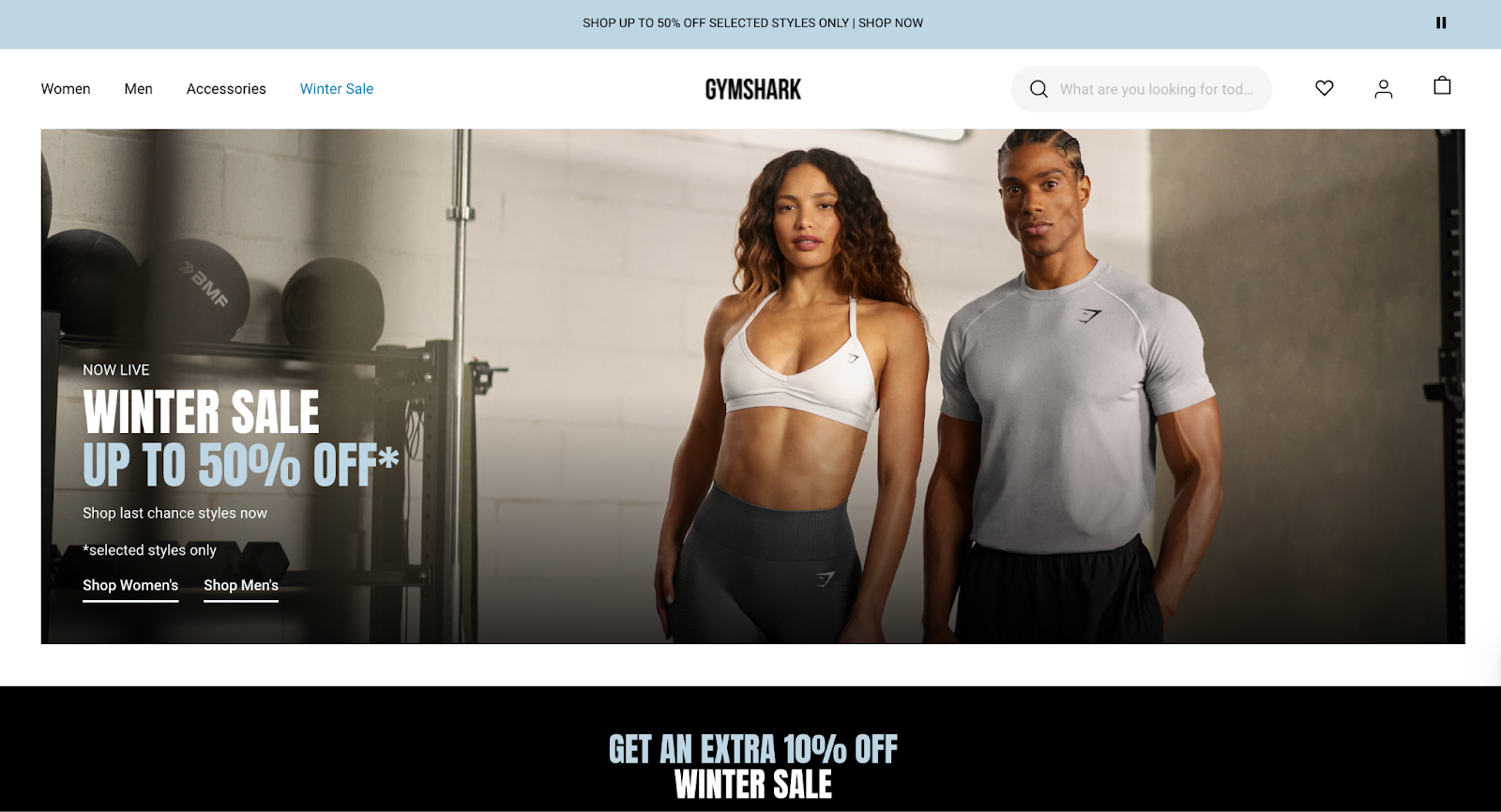
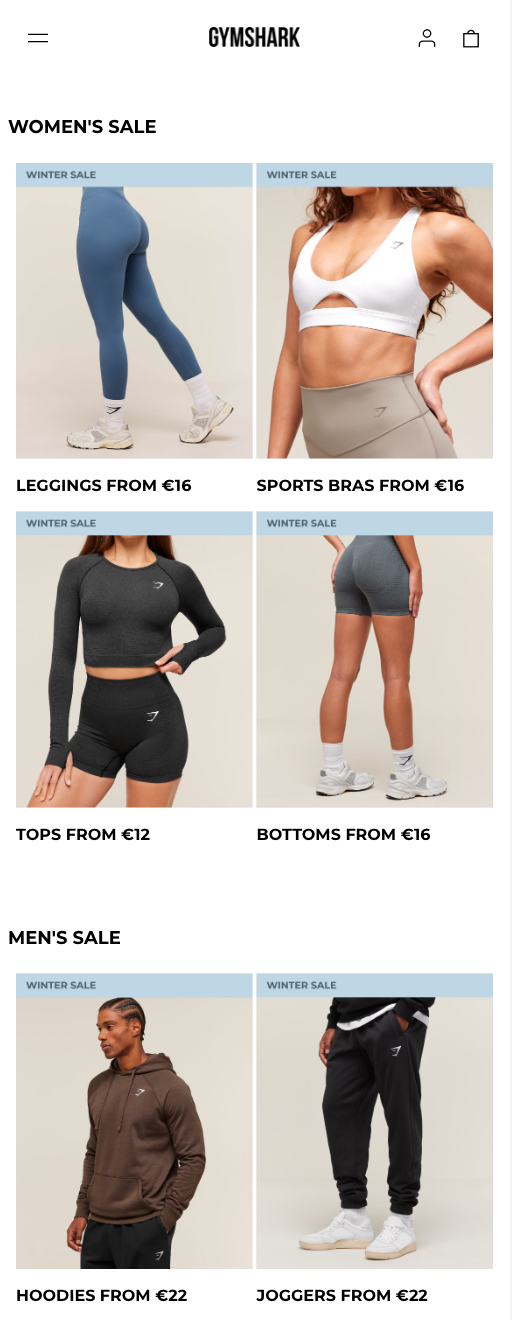
Gymshark is a standout example of how a digital-first fashion brand can scale rapidly through strong user experience and platform simplicity. Its website is designed with mobile performance at the core, delivering fast load times, intuitive navigation, and a streamlined checkout that supports impulse purchases during high-demand product drops.
Built for mobile-first shopping, the site delivers fast performance, simple navigation, and a streamlined checkout that drives quick conversions. Integrated systems supported Gymshark’s expansion into over 130 markets and contributed to £41 million in sales, while ensuring site stability during peak traffic.
Kate Spade New York (Fashion & accessories)
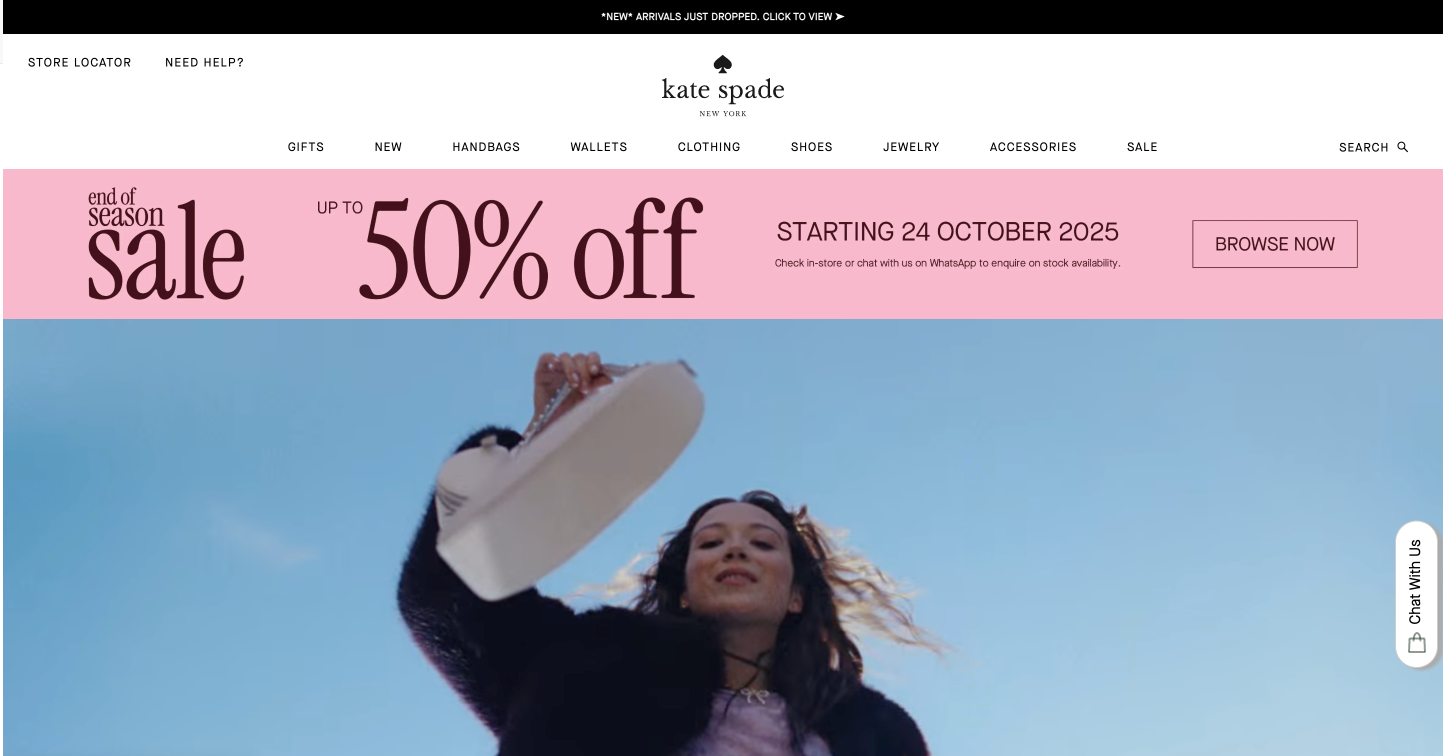
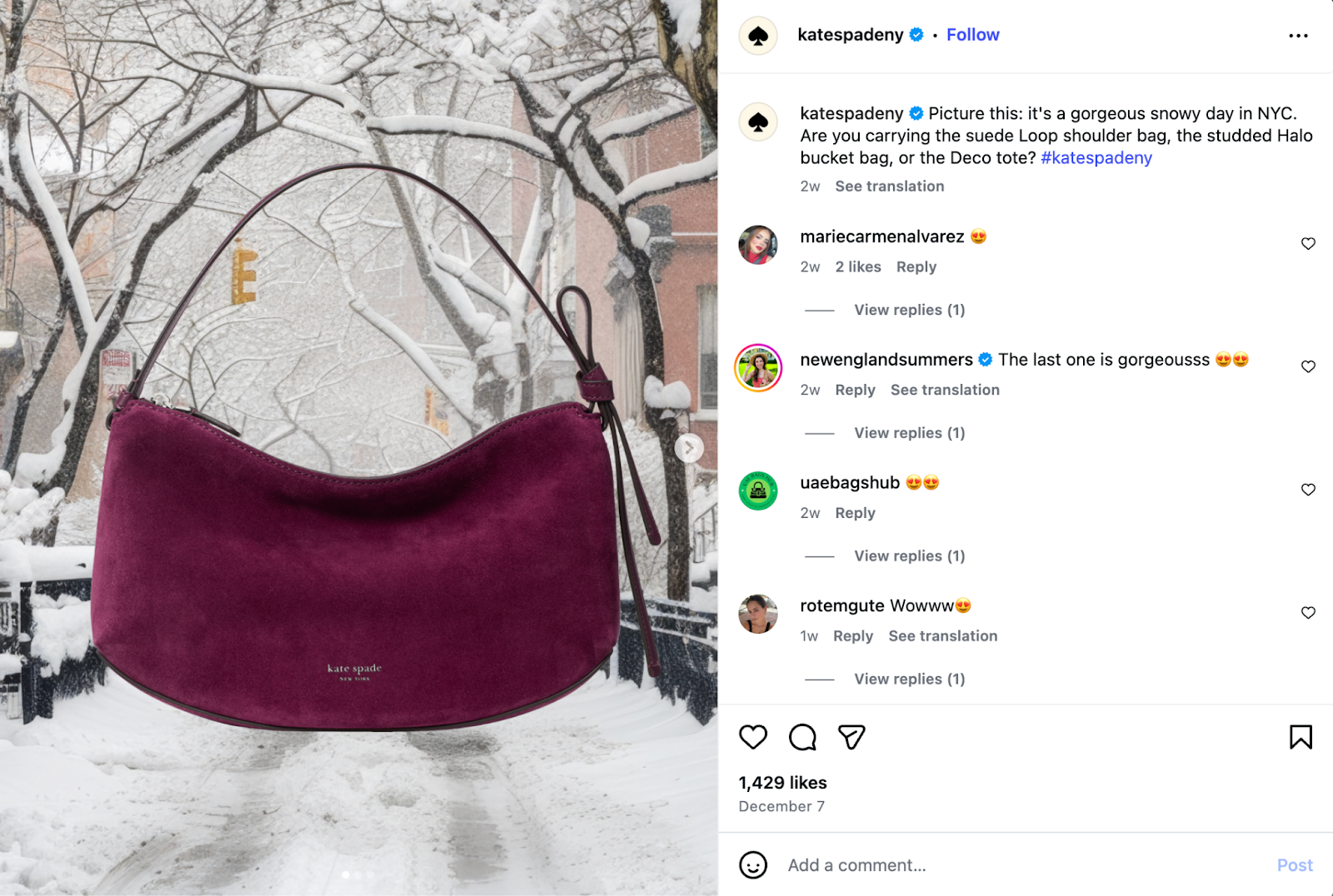
Kate Spade’s transformation highlights how fashion brands can future-proof eCommerce by connecting creativity, operations, and digital workflows early. By leveraging AI to generate and refine creative assets, Kate Spade significantly reduced the time required to move from initial design concepts to eCommerce-ready visuals.
What previously took weeks of manual handoffs and approvals was reduced to days. This shift enabled design, merchandising, and marketing teams to work in parallel rather than in silos, supporting more frequent product launches and faster responses to changing trends without adding operational complexity.
AI-driven workflows also strengthened consistency across channels. Shared digital assets ensure product storytelling remains aligned across eCommerce, campaigns, and other touchpoints, while earlier access to high-quality visuals improves decision-making before physical production. As a result, the brand reduced duplication, minimised waste, and improved overall product readiness at launch.
Grenson (Footwear & accessories)
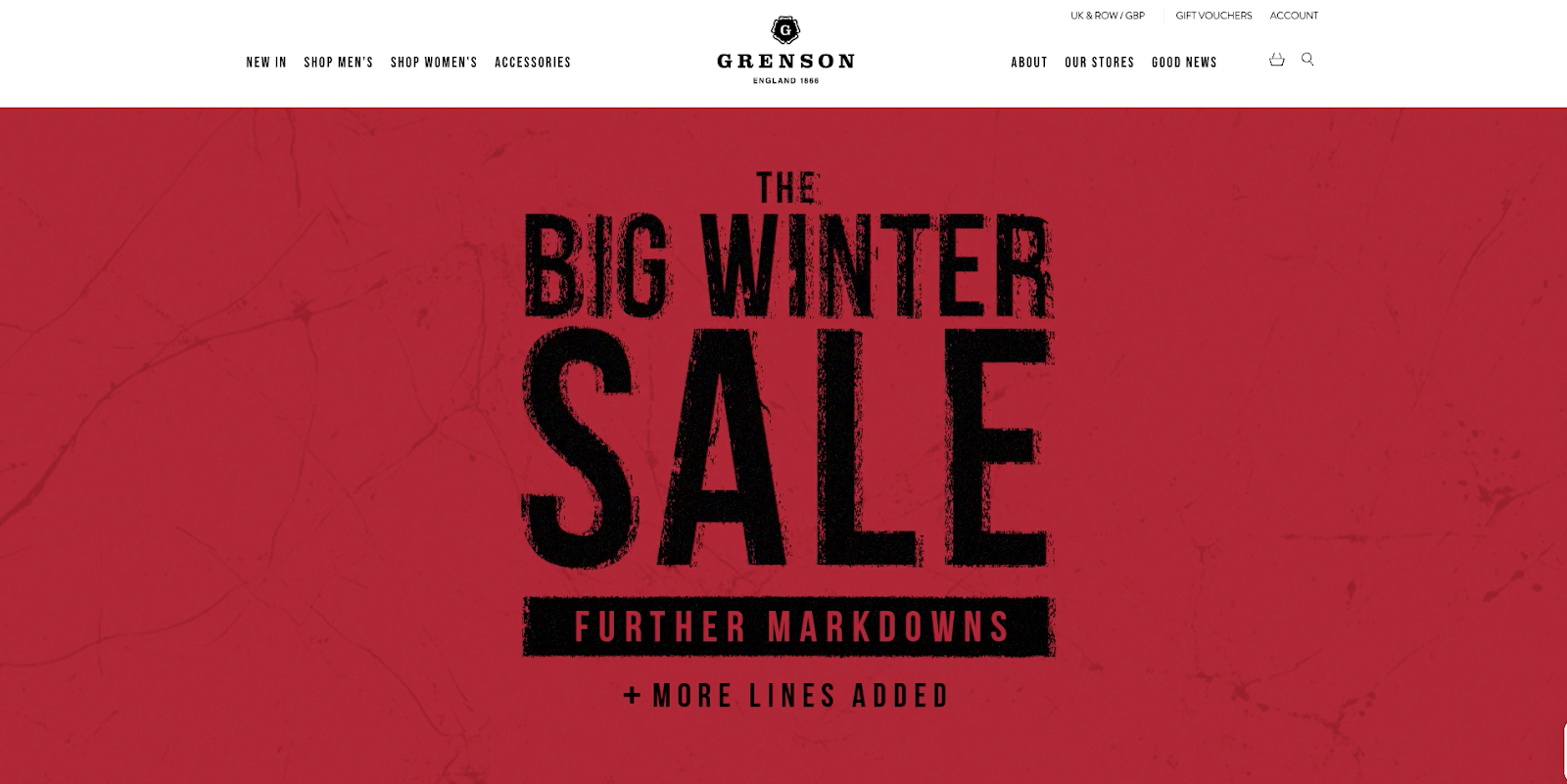
Grenson modernised its eCommerce presence to support direct-to-consumer growth while preserving its heritage brand identity. The brand focused on improving site performance, mobile usability, and navigation. These changes made it easier for customers to discover products and complete purchases, contributing to increased online sales and stronger engagement across digital channels.
Operationally, Grenson strengthened its foundation by integrating eCommerce with backend systems to improve inventory visibility and order management. This reduced manual processes and supported more efficient fulfilment as online demand grew. The updated platform also enabled closer alignment between online and offline channels, creating a more consistent experience across touchpoints while supporting continued retail and wholesale operations.
What emerging fashion brands can learn
These brands succeed not because of one feature, but because their strategies align across platform choice, user experience, system integration, supply chain management, and omnichannel planning. For fashion merchants preparing to launch their first online store, the key takeaway is clear: investing early in the right foundation enables smoother growth, stronger customer trust, and long-term scalability.
Conclusion
Launching a fashion eCommerce store is about more than going live. Brands that succeed invest early in scalable platforms, seamless customer experiences, and connected operations that support growth from the start.
If you’re preparing to enter eCommerce, the right foundation will determine how far and how fast you can grow. Contact On Tap to explore how our fashion-focused eCommerce development solutions can help you launch with confidence and grow for the future.