
This week's Mage Dispatch newsletter delivered a notable signal about where the Adobe Commerce and Magento ecosystem is heading: AI-powered development tools are moving from experimental to operational. Among the most interesting items in this week's roundup is the emergence of Claude Code Skills specifically designed for Magento store operations, alongside news of free sandbox access for the App Builder and a rich crop of open-source modules that suggest the community is investing heavily in developer experience.
Key Updates
Claude Code Skills for Magento
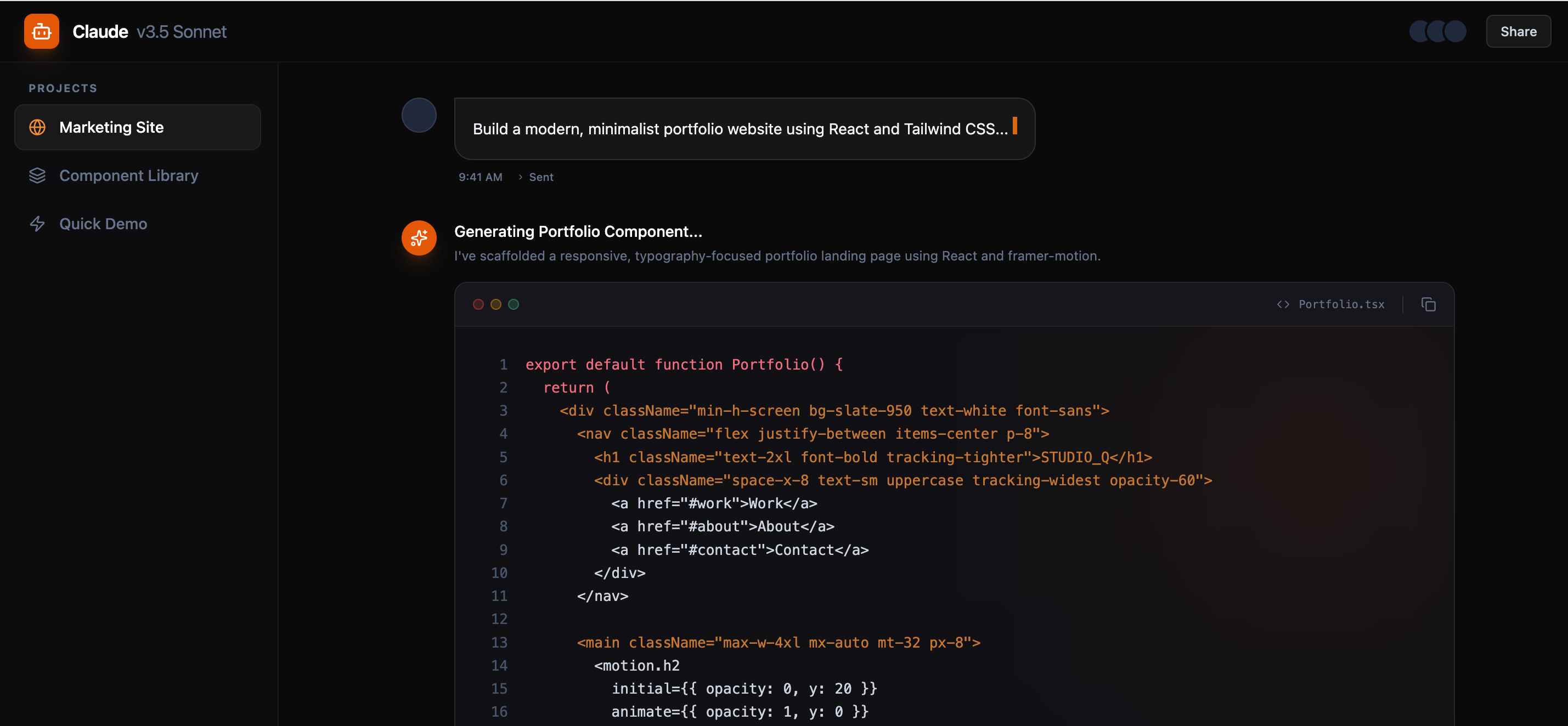
Claude Code, Anthropic's AI coding assistant, is being adopted by Magento developers to automate and accelerate common store operations tasks. The concept of "skills" - reusable AI workflows designed for specific platforms represents a meaningful evolution from general-purpose code generation to platform-aware automation.
For a Magento store operator, this means AI can now assist with tasks that previously required deep platform expertise: debugging indexer issues, optimising cache configurations, managing deployment workflows, and navigating the complex module dependency chains that Magento is known for.
This isn't about replacing developers. It's about amplifying them. A mid-level Magento developer equipped with platform-specific AI skills can operate with the efficiency of a senior developer on routine tasks, freeing the senior team to focus on architecture, performance optimisation, and strategic feature development.
Implications for agencies and merchants:
- Faster troubleshooting: AI skills trained on Magento-specific patterns can diagnose common issues in seconds rather than hours.
- More consistent deployments: Automated pre-deployment checks catch configuration errors that human review might miss.
- Lower operational costs: Routine maintenance tasks that previously required specialist intervention can be handled more efficiently.
- Knowledge preservation: AI skills effectively encode institutional knowledge, reducing the risk of key-person dependency.
Free Sandbox Access for App Builder
Adobe's decision to provide free sandbox access for the App Builder is equally significant, though for different reasons. The App Builder is Adobe's extensibility platform for Commerce, enabling merchants and developers to build custom applications that integrate with the Commerce backend without modifying core code.
Making sandbox access free removes the primary barrier to experimentation. Developers can now prototype integrations, test custom workflows, and validate architectural approaches without any upfront cost. For the Magento ecosystem, which has historically been criticised for high development costs, this is a meaningful step toward democratising customisation.
For merchants evaluating Adobe Commerce, free sandbox access means you can prove out custom requirements before committing to implementation budgets. For agencies, it means you can demonstrate solutions to clients with working prototypes rather than slide decks.
Technical Advancements for Better Code
PHP 8.5 Pipe Operator
This week's Mage Dispatch also featured a deep dive into PHP 8.5's pipe operator and its practical patterns for cleaner code. While this might seem like a purely technical concern, it has real implications for Magento store performance and maintainability.
The pipe operator (|>) allows developers to chain function calls in a more readable, left-to-right flow. For Magento's notoriously complex codebase, this means:
- More readable custom code: Business logic expressed as clear data transformation pipelines rather than nested function calls.
- Easier code review: When multiple developers work on the same codebase, readable code reduces review time and error rates.
- Better testability: Pipe-style code naturally separates concerns, making individual transformations easier to unit test.
As the Magento community prepares for PHP 8.5 compatibility, expect to see new coding patterns emerge that make custom modules easier to maintain and debug.
Developer Experience and Security Tools
Looking at the full scope of this week's Mage Dispatch, the pattern is clear. MageBox as a native PHP development tool, modules for admin search, indexer reporting, Redis monitoring, and OpCache reporting - the ecosystem is investing heavily in developer experience and operational visibility.
This matters for merchants because developer experience directly correlates with project velocity and quality. When developers have better tools, they ship faster, introduce fewer bugs, and can respond to business requirements more quickly.
The emergence of tools like the NGINX Polyshell Blocker also signals that the community is proactively addressing security concerns, particularly important for eCommerce sites that handle payment data and personal information.
On Tap's Perspective
We see three actionable takeaways from this week's Magento ecosystem developments:
- Evaluate AI-assisted development workflows. If your development team isn't using AI coding assistants with platform-specific training, you're leaving efficiency on the table. The productivity gains are real and measurable.
- Take advantage of free App Builder sandbox access. If you've been considering custom integrations or extensions but were deterred by cost uncertainty, now is the time to prototype.
- Plan for PHP 8.5 compatibility. The pipe operator and other PHP 8.5 features will enable cleaner, more maintainable code. Start auditing your custom modules for compatibility now rather than scrambling later.
The Magento ecosystem is evolving rapidly, and the developers who embrace AI tooling and modern PHP patterns will deliver significantly better outcomes for their merchants. The tools are available; the question is whether you're using them.
On Tap is an eCommerce agency that helps merchants maximise their platform investments. Learn more about how we can help optimise your Magento or Adobe Commerce store.