 Best full-service eCommerce agency 2026



According to Salesforce, 72% of business buyers expect vendors to personalize their experience to meet specific needs, underscoring the growing pressure on B2B vendors to deliver relevant and value-centric interactions throughout their customers' journey. This shift is particularly urgent as more B2B customers transition away from traditional sales interactions and move toward digital-first purchasing on an eCommerce website. The expectation for personalization is no longer limited to offline touchpoints; it now involves the online buying experience.
Therefore, this article will delve into the essence of B2B eCommerce personalization, defining its core definitions and highlighting the substantial benefits it offers. Afterward, we will explore 6 leading strategies for effective digital store personalization, followed by a comprehensive review of 9 key features crucial for cultivating a truly impactful digital store experience for business clients that fosters sustained success.
What is B2B eCommerce personalization?
B2B eCommerce personalization is the practice of tailoring online buying experiences to each business customer's needs and preferences. It consists of crafting individualized journeys for B2B buyers based on their behavior, preferences, and organizational roles.
Unlike B2C personalization, which typically focuses on emotional appeal, B2B personalization must prioritize efficiency functions that align with the buyer’s organizational processes. For example, a supplier might display a customized product catalog for a specific account or enable role-based access control, determining what each user within the customer’s company can view or do on the digital store.
The difference between B2B personalization and customization
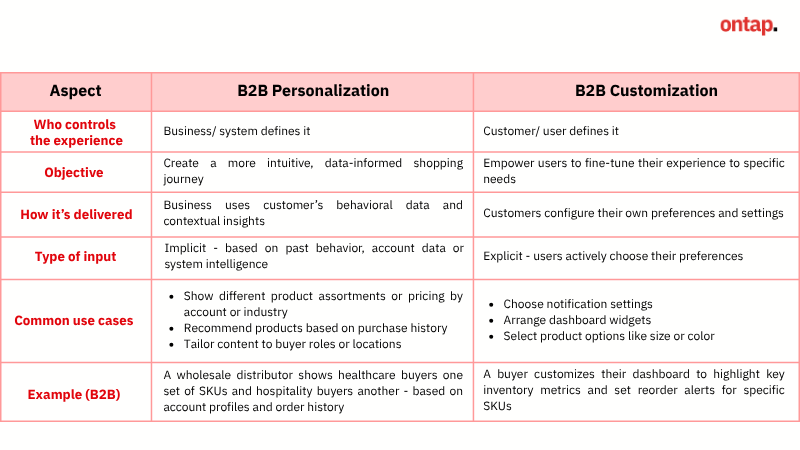
B2B personalization and customization differ primarily in who shapes the experience: customization is manually configured by users, whereas personalization is tailored through data and system intelligence. These two terms are often used interchangeably, which can lead to misunderstandings when developing and implementing online shopping personalization strategies throughout the B2B eCommerce customer journey.
To be specific, customization is the process by which website customers can actively adjust their experience. Businesses provide individuals with a suite of options and controls, enabling clients to configure the interface, product specifications, or content display according to their explicit preferences. For instance, a B2B buyer on an eCommerce website might choose specific notification settings, arrange their dashboard widgets to prioritize certain information, or select product attributes such as color and style.
Personalization, on the other hand, is when the business designs the customer experience by leveraging behavioral data and contextual insights. The website will automatically deliver relevant content or product recommendations, often without requiring any explicit input from the business clients. For instance, a wholesale distributor's eCommerce website shows different product assortments and pricing tiers for users from different industries (e.g., hospitality vs. healthcare), based on the registration information of the account and their previous orders.
Core benefits of personalization in B2B eCommerce
Customizing the B2B experience to individual needs and preferences delivers a wide range of strategic advantages that can significantly influence a company’s performance and competitive standing. These key benefits include:
-
Enhanced customer experience: By tailoring interactions that resonate deeply with clients' needs, personalization reduces the number of clicks required in a buying journey. This includes delivering content specific to their industry or role, clarifying pricing based on contract terms, and simplifying the checkout process. These tactics enhance the overall customer experience on site. In addition, Segment’s research shows that 52% of consumers experience higher satisfaction when interacting with brands that deliver personalized digital experiences.
-
Improved customer loyalty and lifetime value: A personalized customer journey reinforces the perception that a business truly comprehends and values its clients' unique requirements. This cultivates trust and fosters long-term, loyal relationships, ultimately increasing customer lifetime value. Segment’s data reveals that 45% of consumers would consider taking their business elsewhere if brands fail to deliver a personalized experience, highlighting that personalization is no longer optional, but a must-have for every company.
-
Higher conversion rates: By targeting exactly what each customer needs at the right time, businesses can significantly accelerate the buying process, hence increasing the conversion rate. In fact, according to McKinsey, personalization often drives a 10-15% revenue lift, with some companies seeing gains as high as 25%, depending on their industry and execution capability. Additionally, a real-life case study of TileCloud demonstrates these benefits in action. By leveraging personalized pricing, targeted messaging, and exclusive wholesale promotions, the company successfully attracted more wholesale customers, resulting in a 28% year-over-year increase in customer conversion rate.
-
Greater return on investment (ROI): With all the benefits mentioned, personalization efforts often yield a high ROI. This is driven by the fact that business customers typically make large-volume purchases and have longer sales cycles. In reality, Kibo Commerce study found that 70% of businesses using personalization reported a 200% or greater ROI, demonstrating the immense power personalization can bring to companies, including those in B2B.
-
Competitive advantage and market differentiation: As the B2B eCommerce market continues to expand rapidly and robustly, personalization serves as a crucial differentiator for B2B businesses. It distinguishes your company from competitors that offer generic, one-size-fits-all solutions, creating a strong competitive advantage.
9 key components that shape personalization in B2B eCommerce
After defining the strategy, the business will proceed to the design and implementation phase, where it will develop features that align with both business and customer needs. Below are 9 significant features you can consider for your B2B eCommerce site.
Personalized site content
Upon logging in, your B2B website's homepage can transform into a personalized hub, starting with an account-tailored hero banner and content. AI can play a valuable role in this area by analyzing customer data, such as past orders, browsing behavior, and account segmentation, to determine the most relevant homepage elements for each user. AI systems can automatically select personalized promotions and product recommendations, generate dynamic messaging like smart greetings (“Welcome back, [Company Name]”), CTAs, and adapt homepage content in real time based on new interactions or behavioral signals. This immediate recognition and tailored content create a highly relevant and engaging first impression, effectively guiding users toward the most pertinent information or products based on their role, industry, or buying behavior.

Advanced search
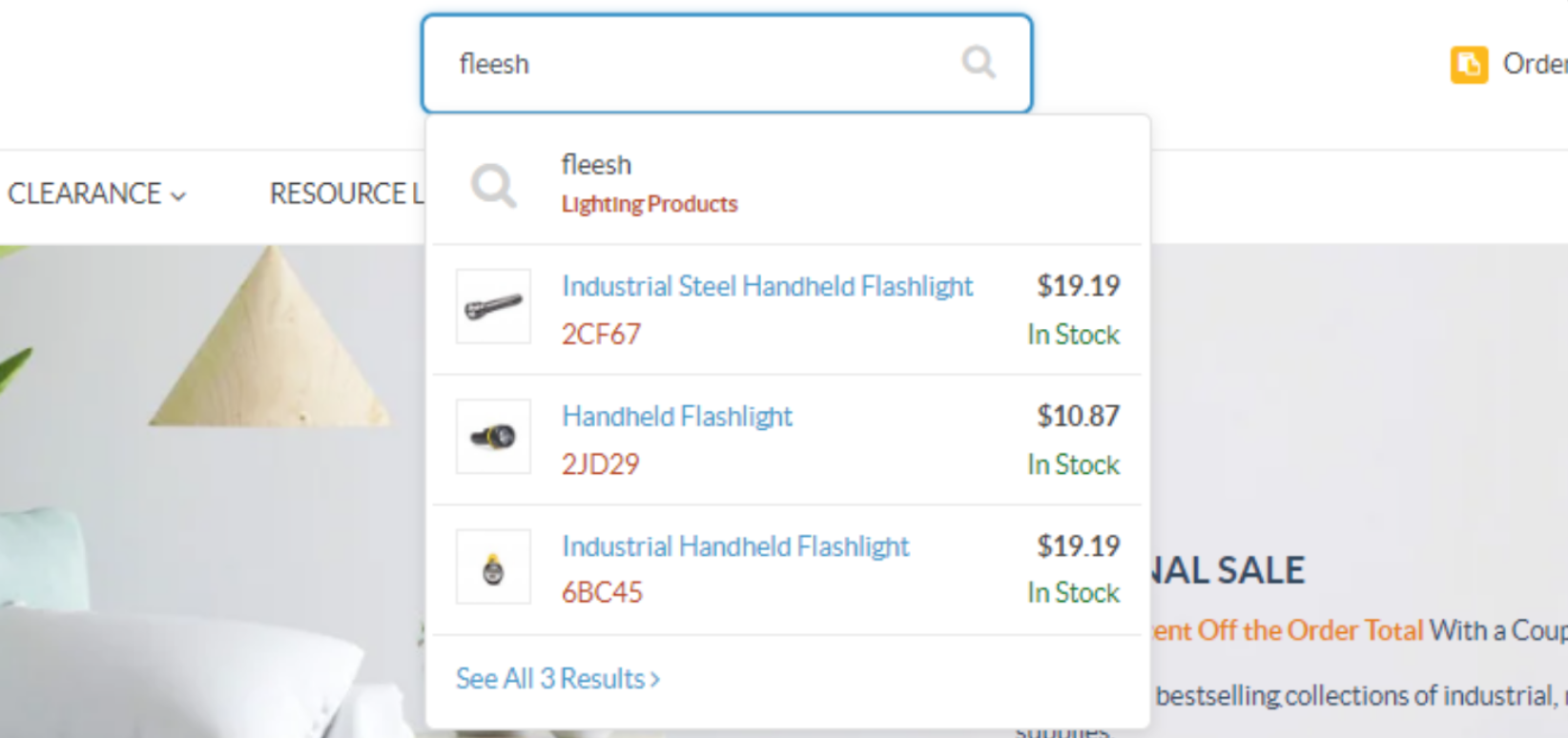
Advanced search personalization could also be utilized beyond basic keyword matching. It can include features like auto-complete suggestions based on previous searches, filtered results that prioritize frequently purchased items, and role-specific product recommendations. By understanding user intent and preferences, businesses can present products that are more likely to be bought, leading to higher conversion rates and improved efficiency.
Personalized catalogue
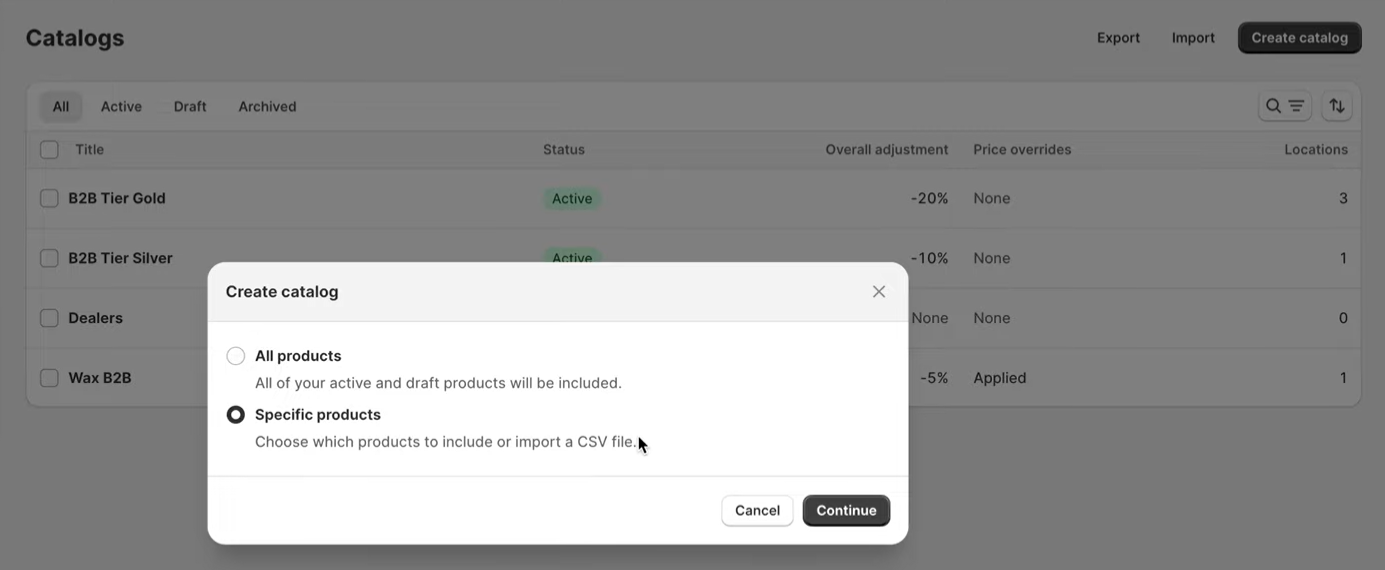
Given that B2B customers typically purchase based on pre-negotiated contracts or restricted product catalogs, it is essential to tailor product availability accordingly. As a result, each customer experiences a personalized view of product selections and specifications that align with their access permissions, making their buying process easier and faster.
Intelligent product recommendation
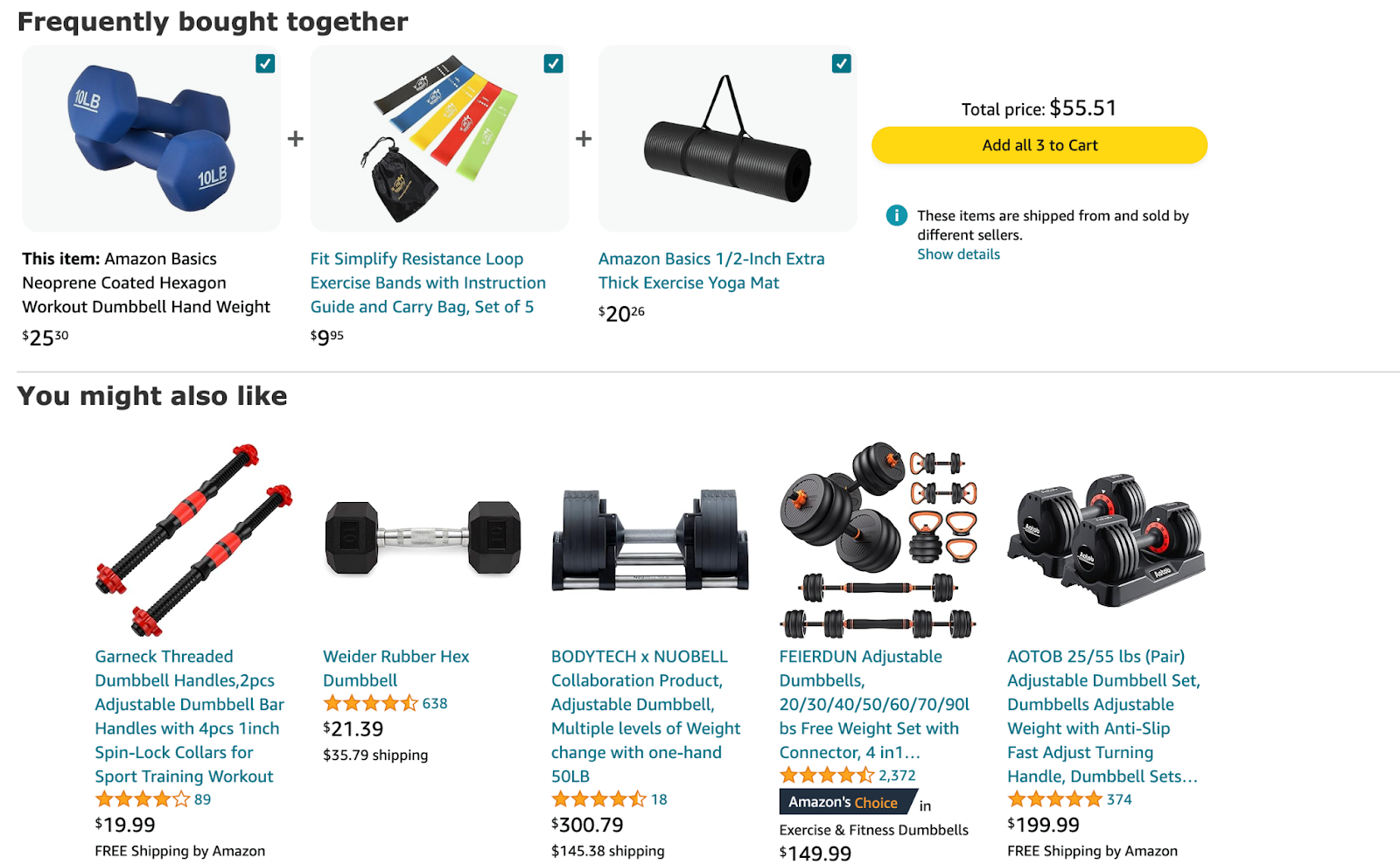
A modern B2B eCommerce website can drive higher conversion and order value through intelligent, behavior-driven recommendations. These systems analyze customer interactions, such as previous purchases, product views, and navigation patterns, to deliver timely and relevant suggestions. Key recommendation strategies include:
-
Behavior-based suggestions: Recommendations are tailored using real-time and historical data, including purchase history, recently viewed items, and browsing behavior, to ensure relevance and increase the likelihood of engagement.
-
Cross-sell and upsell opportunities: Boost average order value by strategically promoting complementary or higher-value products through personalized suggestions.
-
“Frequently bought together”: Suggests combinations of products often purchased in the same order, such as adhesives with packaging materials or software licenses with hardware.
-
“You might also be interested in…”: Offers similar or alternative options that the customer may not have discovered, often based on the behavior of identical buyer profiles.
-
“Complete your purchase with…”: Encourages customers to add related items or accessories to finish a project or bundle.
Custom pricing
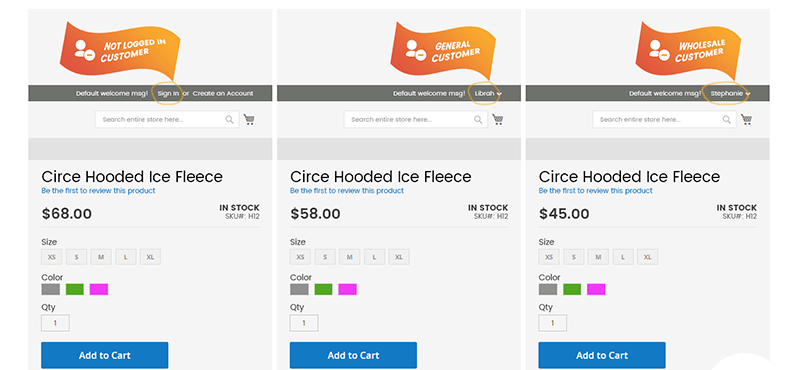
B2B buyers often operate under pre-negotiated contracts or belong to specific pricing tiers, particularly for regular or bulk orders. To streamline the purchasing process, the eCommerce website should automatically display account-specific pricing upon login, ensuring that each customer sees their negotiated rates instead of standard list prices. This eliminates confusion, builds trust, and provides a seamless, accurate buying experience.
Tailored payment and shipping options
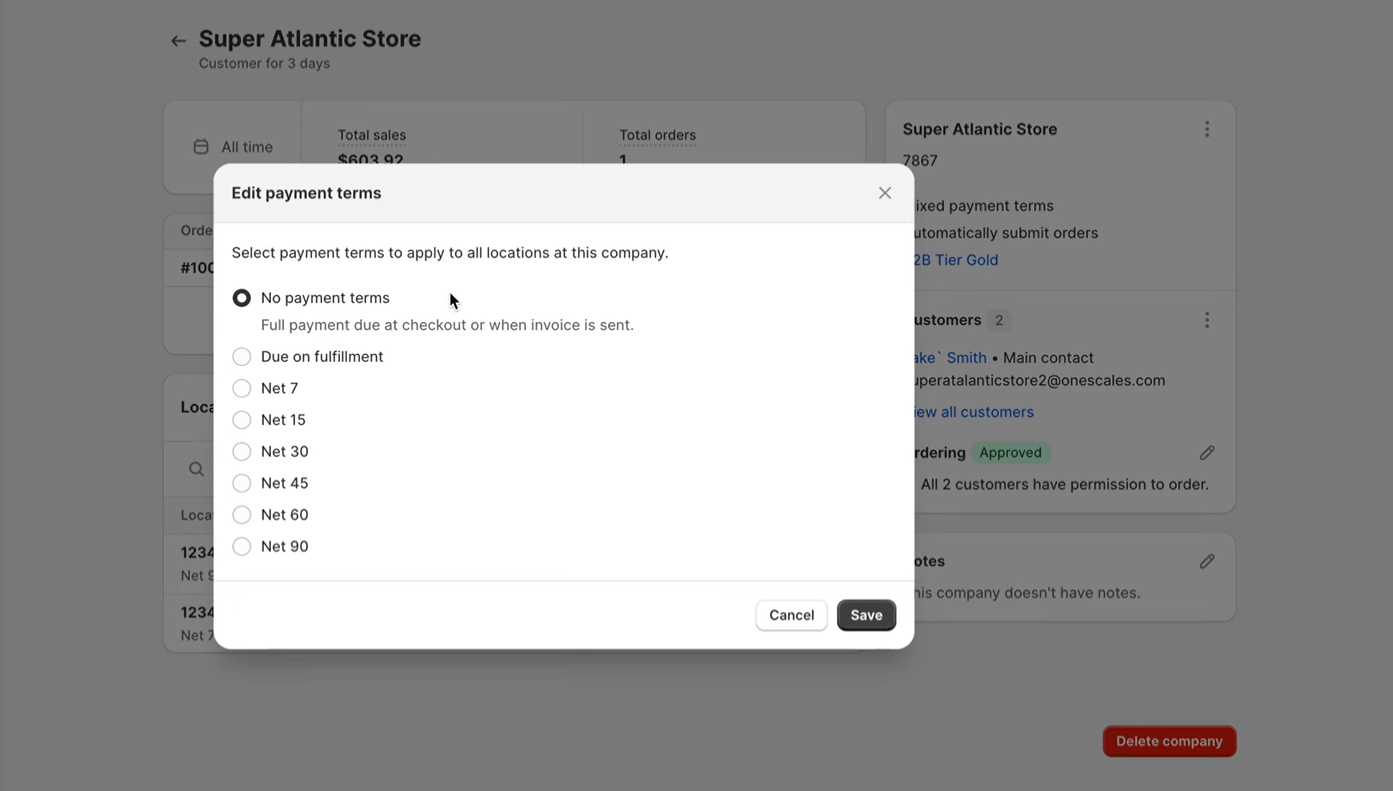
B2B transactions demand flexibility in both payment and shipping. This includes offering a wide range of payment options, such as ACH transfers, wire payments, credit cards, digital wallets, and extended payment terms like Net 30 or Net 60, to align with enterprise-level procurement workflows and accounting systems.
Additionally, B2B buyers often manage complex logistics, requiring shipments to multiple destinations, scheduled deliveries, or coordination with freight carriers. To meet these demands, your website must support advanced shipping capabilities that accommodate varied and specific fulfillment requirements.
Requisition list and quick reorder features
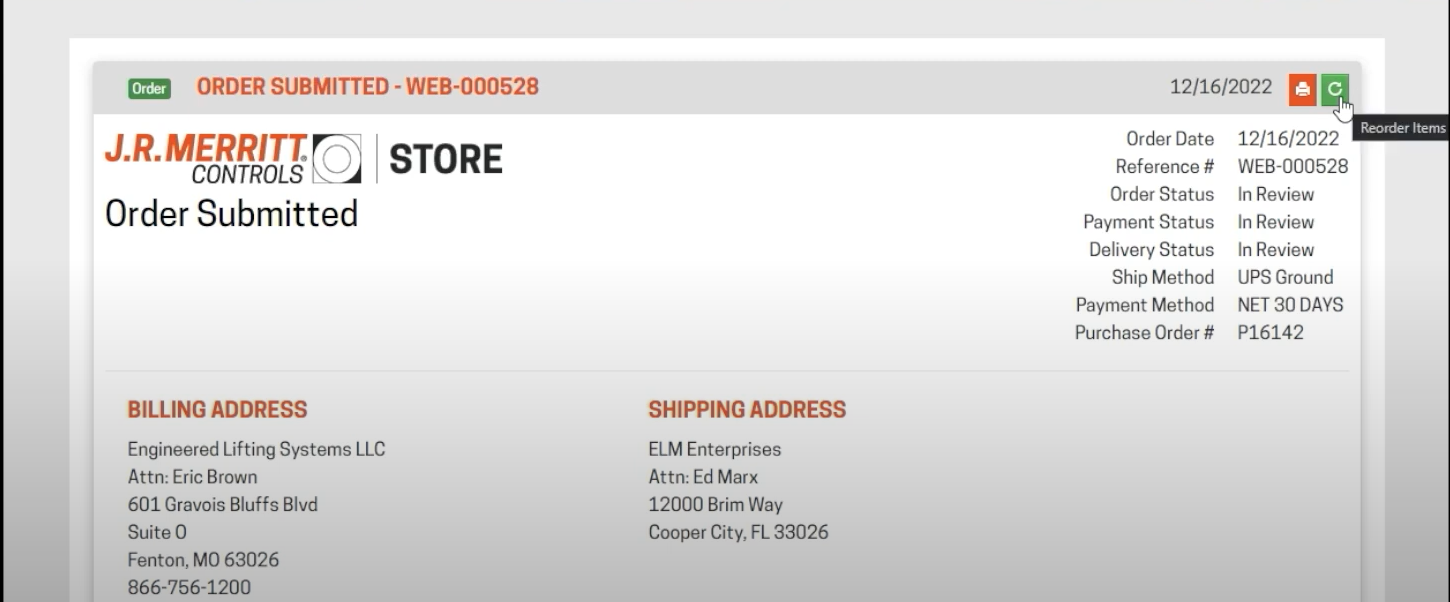
Recurring purchases are a core part of the B2B buying cycle. To support this, a B2B eCommerce website should offer features such as requisition lists (predefined lists of items that buyers or purchasing teams save for future use) along with access to order history and one-click reorder options. These features minimize time spent on repeat purchases, allowing buyers to quickly duplicate previous orders or reference saved product lists, thus accelerating procurement and reducing administrative overhead.
Subscription program
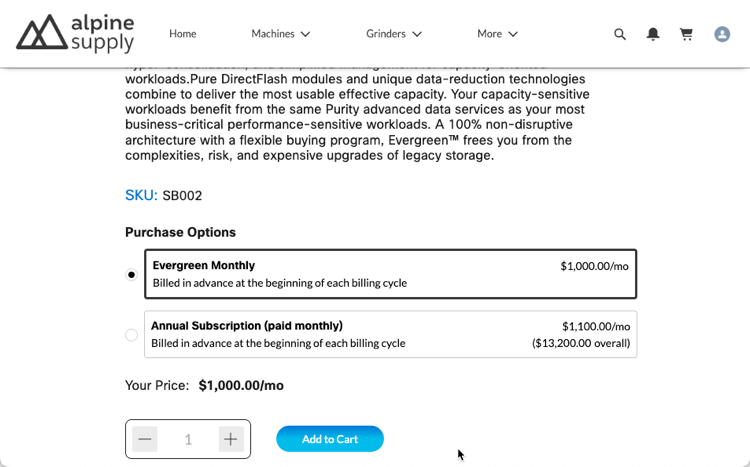
To support recurring procurement cycles, B2B companies can implement tailored subscription programs that cater to their specific needs and requirements. These programs should offer a high degree of flexibility, enabling buyers to modify order quantities, delivery intervals, and shipping methods. This function not only streamlines purchasing but also strengthens long-term customer relationships.
Role-based account personalization
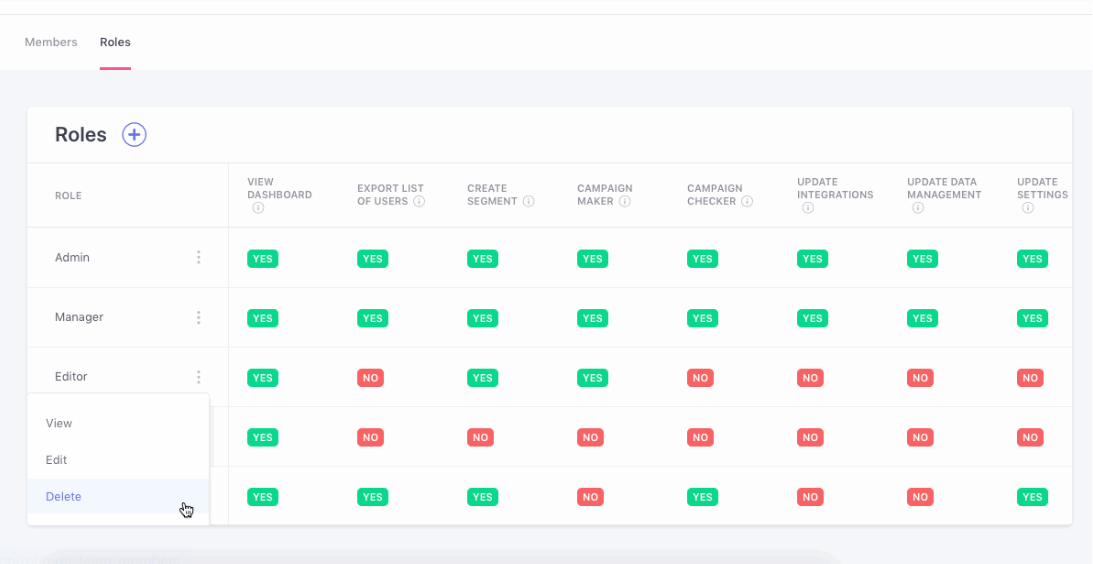
This approach acknowledges that individuals within the same organization have different roles, responsibilities, and access needs. For instance, a warehouse manager may only require visibility into inventory levels and stock availability, while a finance user would need access to payment terms, credit limits, and invoicing details. Role-based permissions ensure that each user sees only the information relevant to their specific role or function. Company administrators, typically high-level users in the organization, can flexibly modify or remove user roles as needed.
6 best eCommerce personalization strategies for B2B eCommerce success
To deliver exceptional personalization for B2B customers, companies must be deeply engaged with each client's specific needs to develop the right features. Below are some of the most effective strategies you can implement.
Segment your B2B customers
Effective B2B e-commerce personalization starts with segmentation. By grouping clients based on shared characteristics, businesses can better target their messaging, offers, and user experiences. Common segmentation methods include:
-
Role-based segmentation: Understand and tailor to different buyer personas within an organization (e.g., procurement managers, accountants, financial managers)
-
Behavior-based: Use customers’ on-site behavior (past orders, search history, browsing patterns).
-
Industry-specific (Firmographics): Classify customers by industry, company size, or location.
Mine CRM and analytics systems
To successfully implement B2B eCommerce personalization, businesses should also prioritize the comprehensive mining of their CRM and other analytics systems. This critical step involves extracting vital data points, such as behavioral patterns by user roles within the business organization (including their communication history via emails or purchase intent signals, like product page views and quote requests), detailed transaction records (often large-scale and long-term), and key metrics related to churn and retention.
The analytical processing of this information enables companies to gain profound insights into buyer behavior, uncover specific preferences, and address underlying pain points. These insights are not just advantageous; they are the bedrock for developing any highly effective personalization initiative. Achieving this level of data-driven personalization requires a robust and seamless integration between the eCommerce platform and CRM systems.
Learn more about how On Tap can support your integration needs through our Systems Integration services.
Consult with internal teams
Successful B2B personalization is fundamentally rooted in understanding the authentic needs of customers. Therefore, aside from analyzing data on site, involving diverse internal teams is a critical step to ensure comprehensive alignment. Sales representatives, customer support specialists, and account managers, through their constant direct engagement with clients, are uniquely positioned to offer invaluable insights. Through direct interaction, customers often reveal specific workflow inefficiencies or procurement bottlenecks in their onboarding and overall buying process. All these insights are indispensable for developing personalization initiatives that truly deliver value.
Building effective personalization often requires cross-team coordination. Our tailored eCommerce consultancy service can help you design the right framework
Research external sources for more insights
To gain a truly holistic view of B2B customer needs, it's essential to supplement internal data with insights from external channels. Below are some sources that you can invest in:
-
Qualitative market research: Engaging directly with customers through interviews and surveys allows them to articulate their feedback in their own words. This approach is invaluable for uncovering pain points that might not have been previously considered or identified through quantitative analysis.
-
Proactive listening: Monitoring social media platforms, online communities, and review sites enables businesses to tap into broader customer sentiment and identify emerging concerns before they escalate.
-
Competitive analysis: Reviewing competitors' social media channels, websites, and customer reviews can reveal pain points that their customers are experiencing, which might present opportunities for differentiation.
Leverage AI and ML for advanced analytics and intelligent features
Once all essential data has been meticulously collected, the next critical step for businesses is to conduct rigorous analysis to unearth meaningful and actionable findings. It is at this pivotal stage that Artificial Intelligence (AI) and Machine Learning (ML) emerge as indispensable tools, demonstrating unparalleled capabilities in processing and interpreting vast, complex datasets. These advanced technologies are uniquely positioned to:
-
Detect hidden patterns in customer behavior that are often too subtle or intricate for human analysis to identify.
-
Predict future actions with remarkable accuracy, including the probability of reorders, specific product interest, or the likelihood of customer churn.
-
Continuously improve their analytical models through sophisticated learning algorithms that adapt and refine themselves with new data inputs over time, ensuring ongoing relevance and precision.
Beyond their analytical prowess, AI solutions also significantly enhance other strategic business functions. This includes elevating customer support with intelligent resources, automating content generation based on rich internal data, and facilitating broader interpretations through advanced Large Language Models (LLMs). To explore how these cutting-edge AI capabilities can transform your business, check out our AI service for digital commerce for more information.
Pilot-test personalization features
Before deploying site-wide personalization changes, it is imperative to validate your ideas through controlled tests. Employing methodologies such as A/B testing and multivariate testing enables businesses to rigorously compare the outcomes of different approaches.
For example, your business wants to release distinct homepage layouts to different segments of your audience. The goal of pilot-testing will be to gather feedback and performance data for each segment sample with meticulous care. This data-driven approach enables you to adjust your personalization strategy directly based on quantifiable test results, ensuring that implemented changes are truly optimized for maximum impact and a positive customer response.
Conclusion
This article has outlined everything your business needs to begin your personalization journey in B2B eCommerce, from core definitions and benefits to actionable strategies and essential features. With the right approach, personalization can transform customer experiences, streamline operations, and fuel long-term growth.
To ensure your personalization efforts deliver measurable impact, it's essential to collaborate with experts who understand the complexities of B2B commerce like On Tap. As a member of the B2B eCommerce Association, we offer full-service, end-to-end B2B solutions tailored to unique business needs. Get in touch with our team today to start building a smarter, more personalized experience on your digital store!