

Projected to reach USD 2,750.28 billion by 2033 with a CAGR of 17.30% from 2025 to 2033 (1), the global DTC market exemplifies the rapid expansion and competitive intensity of the industry. In this dynamic market, DTC brands that identify emerging trends early and leverage them effectively will be best positioned to lead and achieve lasting success.
Therefore, this blog introduces to you 7 major trends that will define the future of DTC eCommerce in 2026 and beyond. Let’s explore what these trends are and how businesses can capitalise on these opportunities to enhance their market presence.
1. AI powers more personalised customer experiences for DTC brands
Trend overview
With 7 in 10 eCommerce shoppers wanting AI-driven capabilities on business eCommerce platforms in 2025 (2), AI has become an always-on force shaping the eCommerce landscape. Rather than simply browsing static catalogues, shoppers now expect richer, more intuitive experiences. According to the same report, consumers seek advanced digital features powered by AI, including shopping assistants (76%), voice-enabled product search (72%), and auto-suggested product additions to their cart (70%). By interpreting intent, predicting needs, and delivering one-to-one experiences, AI helps brands transform data into meaningful customer engagement.
How DTC eCommerce brands can leverage this trend
-
Build deeper customer understanding through AI analytics: DTC brands have full access to first-party data across the customer journey, from browsing to purchase to post-sale feedback. Leveraging AI analytics allows them to uncover nuanced insights, identify micro-segments, and continuously refine personalisation strategies without relying on third-party platforms.
-
Deliver hyper-personalised experiences at scale: By integrating AI, businesses can personalise not only product recommendations but also content, navigation, promotion, and communications in real time. AI allows brands to deliver cohesive, one-to-one experiences that align with each customer’s preferences and intent, such as delivering targeted offers and personalised emails. In this way, it effectively replicates the attentive, personalised care of an in-store consultation in a digital environment.
-
Provide comprehensive product information with AI-powered support: DTC businesses can leverage AI chatbots and virtual advisors to assist customers from the very first touchpoint. It will guide customers as they explore products, answering questions, providing tailored recommendations, and sharing quick insights. This will help customers gain a clearer understanding of the product, especially for machinery or goods with complex specifications.
-
Use AI for predictive inventory management: With end-to-end visibility into customer behaviour, DTC brands can leverage AI models to predict repurchase timing or churn risk. This helps them optimise production planning, align inventory with demand, and minimise unnecessary costs. For businesses managing both DTC and B2B channels, these predictive capabilities are even more critical, ensuring neither channel is over- or under-stocked and preventing disruptions that could affect overall operations.
-
Optimise marketing and operations through AI automation: Managing both marketing and fulfilment gives DTC brands the flexibility to apply AI across functions, such as automating ad targeting, content personalisation, and demand forecasting. This ensures that campaigns reach the right audience while operations stay agile and cost-efficient, maximising margins without external intermediaries.
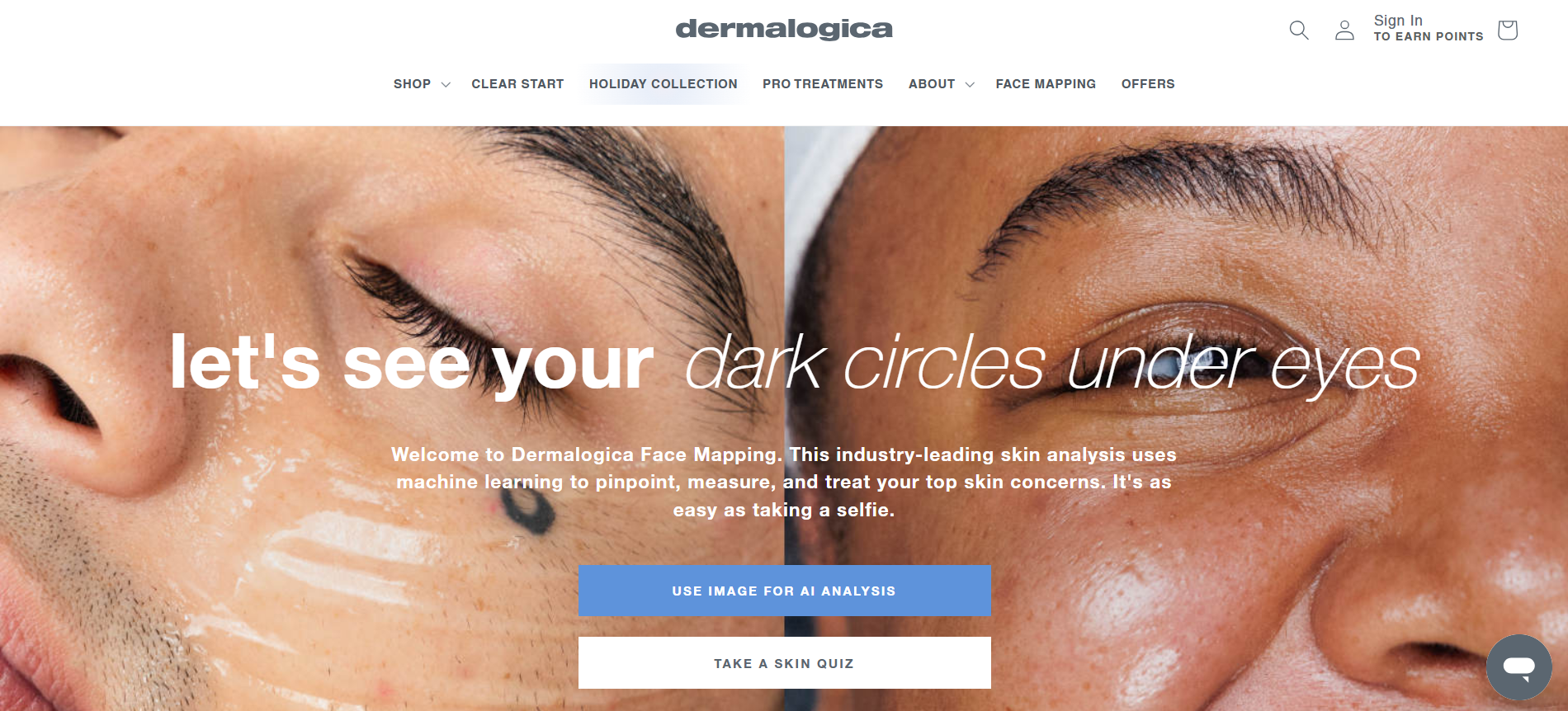
A notable example of DTC business leveraging AI is Dermalogica with its Face Mapping tool to analyse users’ skin conditions and offer customised product suggestions, replicating an expert consultation right on a digital format.
Not sure how to apply AI to enhance your digital store’s efficiency? Discover On Tap’s AI services now! Backed by 19 years of extensive experience across leading eCommerce platforms, we empower your business to capture the true value of AI.
2. Omnichannel strategies create consistent experiences across marketplaces and social platforms
Trend overview
As of 2025, it is reported that 7 in 10 shoppers have made purchases directly through social media, with Facebook, Instagram, YouTube, and TikTok among the most popular platforms (2). At the same time, most consumers still rely on online marketplaces for convenience, with 98% of shoppers purchasing from well-known platforms such as Amazon, eBay or Shopee (2).
These data indicate a growing dominance of social commerce and marketplace ecosystems, marking a major shift in how customers discover and shop online. DTC brands can no longer depend solely on their own websites to drive growth. To stay relevant, they must meet customers in several channels. However, simply being present on multiple platforms is not enough. The key to success lies in maintaining consistency. A unified approach to pricing, inventory, product information, checkout, shipping, and returns helps create a consistent brand experience that feels trustworthy, familiar, and authentic across all touchpoints.
How DTC eCommerce brands can leverage this trend
-
Expand strategically across all relevant platforms: Establish a presence on social shops and marketplaces to capture diverse customer segments. Tailor offerings, pricing, and promotions to align with each platform’s audience and buying behaviour.
-
Streamline checkout and payment experiences across channels: As shoppers move across different channels, checkout must stay fast, secure, and consistent. Businesses should support one-click checkout, local/preferred payment options such as Apple Pay, Google Pay, PayPal, or buy-now-pay-later services to reduce friction.
-
Ensure transparency in delivery and returns throughout channels: DTC brands should prioritise clear communication around delivery methods, shipping costs, and return policies. Make the process transparent and effortless, allow cross-channel returns, and provide real-time tracking updates to reassure customers that they can easily return items if they are not satisfied.
-
Integrate systems for seamless data synchronisation: Unify backend platforms, such as inventory, order management, and CRM systems, to keep product details, stock levels, and pricing aligned in real-time across all channels. This integration helps deliver a consistent shopping experience, ensures accurate fulfilment, and maintains brand and data consistency. With DTC brands that also manage B2B operations, the same product may be sold on multiple sites at different prices. For example, a brand may sell the same products to individual buyers on the regular Amazon.com site and to business customers through the Amazon Business site, but with different prices. Therefore, clear data sync separation is essential to prevent overlap in pricing, promotions, or inventory management and ensure smooth coordination between both business models.
Veronica Beard, a contemporary fashion DTC brand, recognised the importance of an omnichannel strategy as customers increasingly shop across online, offline, and wholesale/retail channels. To support this, the brand built a centralised data stack integrating website clickstream, retail and wholesale data, eCommerce transactions, and marketing platforms to create a unified customer view.

To keep your systems perfectly in sync, explore our integration services and API-led integration flows that ensure your business stays fully aligned and connected!
3. Zero-party data strengthens customer trust for DTC brands
Trend overview
In 2025, as younger, digitally native generations become dominant consumers, awareness of data usage and privacy rights has intensified: 64% of consumers report taking active measures to protect their online privacy, and 52% seek direct control over their personal data (3). Nevertheless, personalisation remains a powerful differentiator. It is also noted that 84% of consumers prefer brands offering customised experiences (4).
This highlights a growing paradox: customers want personalisation, but not at the expense of privacy. The challenge for DTC businesses is to deliver tailored experiences while maintaining transparency around data usage. Traditional data collection methods (first, second, and third-party data) often carry privacy risks. As a result, zero-party data has emerged as a more transparent and trustworthy approach, enabling brands to collect high-quality insights directly from customers without compromising their privacy.
Zero-party data is the information that customers intentionally and proactively share with a brand, such as their preferences, interests, or intentions. It is collected through mechanisms like surveys, quizzes, and preference centres rather than being inferred from behaviour. For DTC eCommerce brands, adopting zero-party data practices goes beyond compliance. It’s about building a foundation of trust and loyalty. When customers feel in control of their data, they’re more willing to engage deeply and share authentic insights, enabling the brand to create experiences that feel personal, respectful, and mutually beneficial. This, in turn, drives higher retention and lifetime value.
How DTC eCommerce brands can leverage this trend
-
Build transparent data collection touchpoints: Introduce interactive features such as style quizzes, preference centres, or product finders that invite customers to share insights voluntarily. These experiences not only collect valuable data but also deliver immediate value, such as better product matches or personalised recommendations, reinforcing a sense of reciprocity.
-
Communicate privacy commitment clearly: Clearly outline how customer data is collected, stored, and used. By making privacy part of the brand’s communication, DTC companies can turn it into a competitive advantage that enhances customer confidence.
-
Leverage zero-party to personalise customer experience responsibly: Use zero-party data to craft meaningful, relevant experiences while keeping boundaries clear. DTC brands can tailor product recommendations, emails, or loyalty rewards to reflect customer input, ensuring every interaction feels intentional rather than invasive.
-
Leverage customer insights across the DTC ecosystem: Integrate zero-party data into every aspect of the DTC model, from product development to marketing content and post-purchase engagement. These insights help refine assortments, optimise messaging, and inform retargeting strategies, all while maintaining full compliance and user consent.
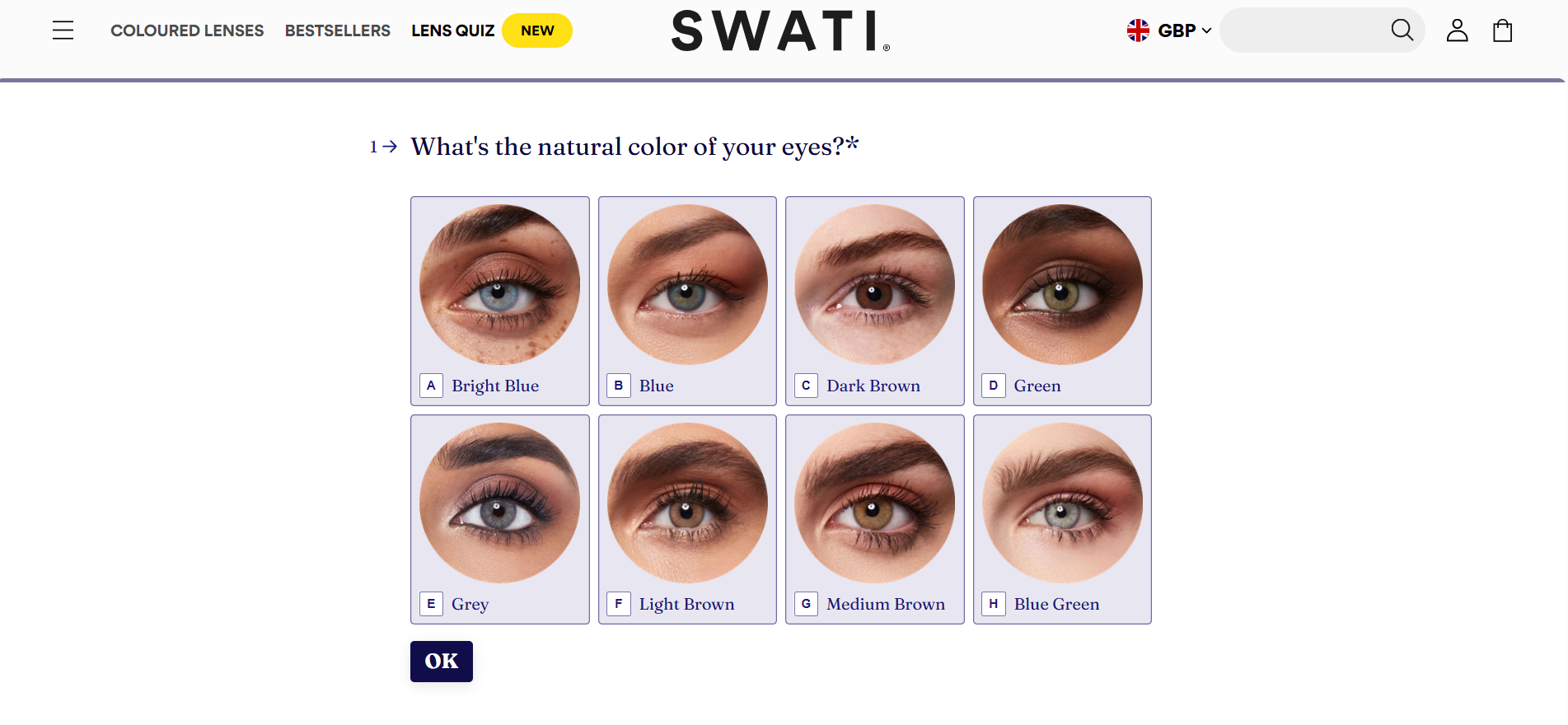
In practice, the DTC lens brand SWATI collects zero-party data through its coloured lens shade quiz. This feature not only helps customers find the lens shade that best suits them but also enables the brand to gather valuable insights into customer preferences.
4. Branding and affiliate marketing become key strategic investments for DTC brands
Trend overview
In 2025, with 63% of global consumers preferring brands that connect with a purpose beyond selling products or services (5), brand storytelling and emotional connection have become key drivers of purchase decisions. For DTC brands, this trend is a clear advantage: with full control of their marketing, they can define their story, express their values, and engage consumers on a deeper level.
Besides branding, affiliate marketing has also gained remarkable momentum. It is reported that affiliate marketing generated $113 billion in eCommerce sales in 2025, representing 9.4% of total U.S. online sales and about 15–20% for companies adopting this strategy (6). This shows that affiliate marketing is also a trend worth attention for DTC businesses, as it not only drives revenue but also expands brand awareness through influencers and strengthens brand identity.
How DTC eCommerce brands can leverage this trend
-
Strengthen brand storytelling across digital channels: Since DTC brands manage the entire customer experience, they have the advantage of embedding brand purpose into every digital touchpoint, from website content and product pages to packaging and post-purchase engagement. Authentic storytelling and a consistent visual identity foster emotional loyalty and create differentiation in a saturated market.
-
Build a structured affiliate and influencer marketing: Partner with affiliates and creators who share your brand’s audience and values. Offer personalised affiliate links, curated product bundles, or early access to new launches. Integrate affiliate management tools into your eCommerce backend to streamline tracking, automate commission payouts, and analyse campaign performance in real time.
-
Measure impact holistically: Beyond sales attribution, monitor metrics such as engagement rate, brand recall, lifetime value, and sentiment analysis. Connecting affiliate data with CRM and analytics platforms provides a unified view of how storytelling and partnerships together drive sustainable brand growth.
One strong example of this trend in action comes from Allbirds, the sustainable footwear brand. By launching an in-house affiliate program on its website, Allbirds enables relevant influencers to apply and partner with the brand directly. This approach has successfully expanded its influencer network, boosting brand visibility and generating measurable sales impact.

Need expert support to maximise your marketing effort? Explore On Tap’s Digital Marketing Services! Our specialists can help strengthen your owned channels' branding through SEO, content marketing, and PPC management while providing up-to-date guidance on the latest marketing trends.
5. Mobile eCommerce becomes the primary storefront for DTC business
Trend overview
Nowadays, in 2025, shopping begins in the palm of your customer’s hand, with 9 in 10 shoppers using their smartphones to browse and buy (2). This clearly signals that mobile has become the dominant shopping channel, shaping how consumers discover, evaluate, and purchase products. Beyond simply buying through mobile browsers, today’s shoppers expect advanced features that streamline the experience, such as dedicated mobile apps and voice commands. In fact, the same report also finds that 77% of eCommerce shoppers now use a brand’s mobile app to shop, while 47% of social shoppers make purchases through voice-enabled tool (2).
For DTC brands, this shift redefines the role of the online store. Mobile is no longer just an entry point but the primary storefront where brand perception, conversion, and customer loyalty are built. An interface that is slow or poorly optimised, lacking advanced functionalities, can deter potential customers. In contrast, a fast and intuitive experience fosters trust and long-term loyalty.
How DTC eCommerce brands can leverage this trend
-
Adopt a mobile-first design mindset: Prioritise responsive design, fast loading speeds, and clear visual hierarchy to ensure the site performs flawlessly on all screen sizes.
-
Personalise for mobile behaviour: Use in-session data to dynamically tailor experiences, such as showing recently viewed items, location-based recommendations, or timely reminders for abandoned carts. As DTC brands control the full customer experience, they can fine-tune these moments to feel helpful and personal rather than pushy.
-
Integrate your DTC app or PWA with advanced features: For brands with high engagement or frequent purchases, developing a Progressive Web App (PWA) or mobile app can significantly boost performance and retention. Mobile-native features such as push notifications, loyalty tracking, offline browsing, and voice-enabled tools make the shopping experience more seamless and interactive - a crucial advantage for DTC brands that rely on direct, consistent engagement with their audience.
A notable example is TEMPLESPA, a DTC eCommerce brand, partnered with On Tap to implement the Hyvä theme. The new design has optimised site speed and efficiency, delivering a seamless mobile-first experience. This improvement led to an 18% rise in mobile conversions over 3 months and was proudly recognised with the “Silver - Best B2C UX in eCommerce” at the eCommerce Awards 2025. Explore the complete case study for further details.

6. Cross-border selling expands global reach and revenue opportunities for DTC business
Trend overview
In 2025, 3 in 5 shoppers now buy products from outside their home country (2), reflecting a growing comfort among global consumers in discovering and purchasing from international brands. For DTC brands, this signals a major growth opportunity. The rise of global marketplaces, international payment options, and advanced logistics networks has made it easier than ever to reach customers worldwide. However, with global reach comes new challenges, from currency conversion and shipping logistics to localised customer experiences. Winning brands are those that adapt their DTC strategies to be borderless by design, offering a consistent, trustworthy experience regardless of geography.
How DTC eCommerce brands can leverage this trend
-
Enable multi-currency and multi-language support: Offer localised pricing, local payment options, and translated content to create a sense of familiarity and trust for international shoppers.
-
Partner with reliable logistics and fulfilment providers: Collaborate with trusted cross-border shipping partners that offer transparent tracking, customs clearance, and upfront tax calculation to ensure a smooth delivery experience. For DTC models that manage direct fulfilment, a robust logistics network is vital to maintaining quality and consistency at scale. Some DTC brands already possess strong logistics capabilities from their existing B2B operations - this foundation can be leveraged to streamline cross-border fulfilment, reduce costs, and uphold service reliability as they expand globally.
-
Ensure regulatory and tax compliance: Stay aligned with regional import/export rules, data privacy laws, and VAT/GST regulations. As DTC brands own the full transaction process, compliance safeguards both reputation and operational stability when entering new regions.
-
Provide global customer service: Offer multilingual chat support, extended return windows, and clear policies for international buyers.
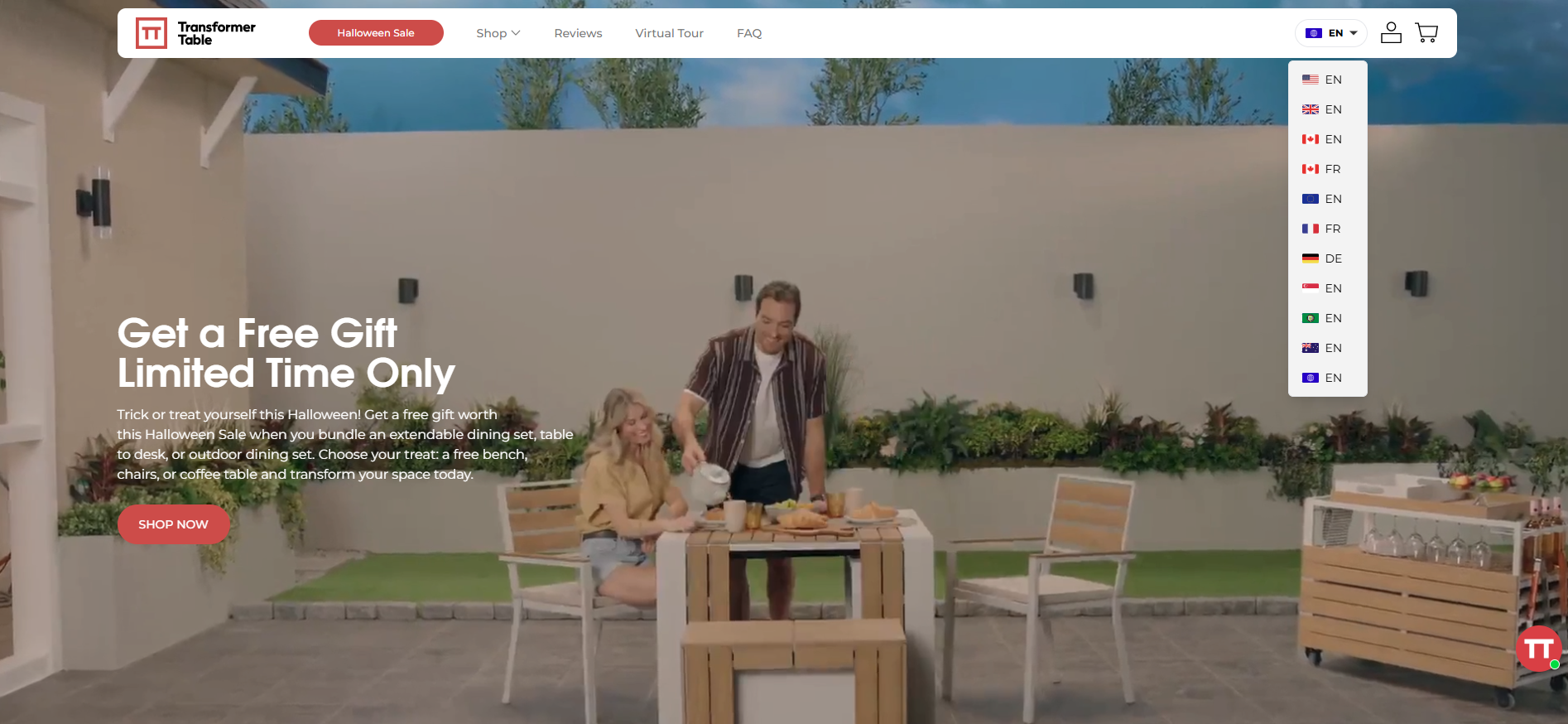
For example, Transformer Table has leveraged its digital store to support international sales. This approach allows the brand to seamlessly serve customers across multiple countries and maintain consistent brand experiences regardless of location.
7. AR & VR enhance immersive shopping experiences for DTC businesses
Trend overview
Thanks to the widespread adoption of smartphones and AR-enabled devices, VR/AR has become increasingly accessible to both consumers and businesses. In fact, the global AR in the eCommerce market is projected to grow at a CAGR of 35.8% from 2025 to 2030 (7).
These numbers highlight a growing trend toward integrating AR and VR into eCommerce experiences. For DTC businesses, this shift signals an opportunity to transform static product catalogues into interactive, immersive environments that replicate the physical shopping experience. To be specific:
-
AR (Augmented Reality) overlays digital visuals onto the real world, helping shoppers visualise products in their own context, from trying on fashion and beauty items to previewing furniture in their living space.
-
VR (Virtual Reality) takes immersion a step further by creating fully interactive virtual stores or brand spaces, where customers can explore collections, attend product launches, or even socialise as if they were physically present.
By enabling customers to visualise products in real time, brands can boost buyer confidence and satisfaction, reducing return rates and improving overall operational efficiency across eCommerce platforms.
How DTC eCommerce brands can leverage this trend
-
Recreate in-store experiences digitally: AR and VR enable DTC brands to simulate the tactile experience of physical shopping, from virtually “trying on” a product to exploring a 3D showroom. This helps customers make confident purchase decisions without visiting a store.
-
Enable product customisation: AR and VR empower customers to co-create products using AR/VR interfaces, where they can select colours, materials, or designs in real time. This not only enhances engagement but also builds a sense of ownership that strengthens emotional connection to the brand.
-
Build immersive brand storytelling: Use VR spaces or AR filters to showcase brand heritage, design processes, or real-life use cases. Immersive storytelling helps DTC brands convey authenticity and create memorable experiences. This is an area where DTC businesses need consistent investment, as emotional connection and brand differentiation often determine their competitive edge.
-
Gather actionable engagement data: Analyse how customers interact within AR/VR experiences, what products they explore, how long they engage, and which designs they customise. This first-party data offers valuable insights for product development, UX optimisation, and targeted marketing campaigns.
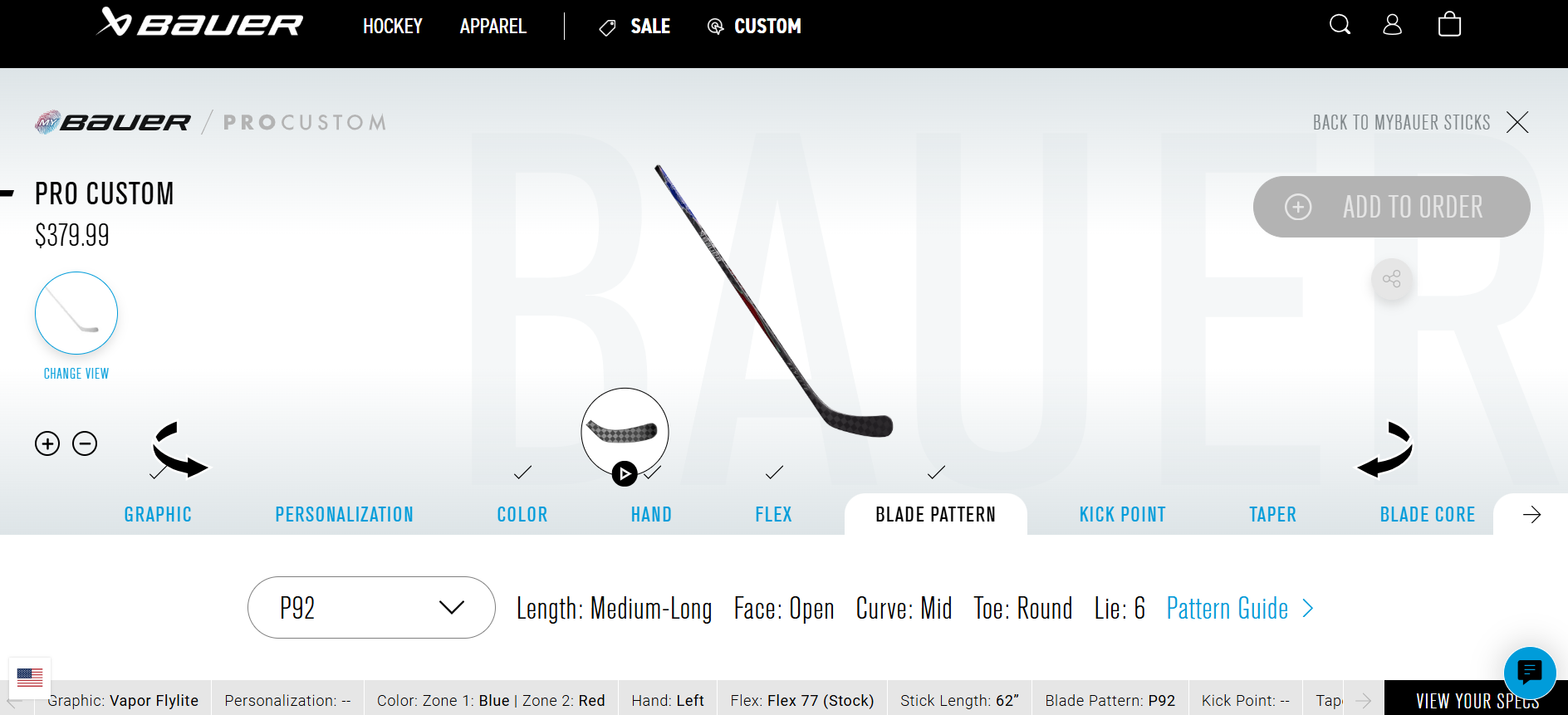
For example, DTC sportswear brand Bauer leverages AR/VR technology through its MyBauer Custom Sticks experience, allowing customers to design and visualise hockey sticks in 3D before purchasing. This interactive tool enables shoppers to explore different materials, colours, and configurations in real time, bringing the customisation process to life.
Conclusion
This article outlines 7 emerging trends that DTC eCommerce brands can consider to remain competitive in an evolving digital landscape. To effectively implement these trends on your website, it’s always best to collaborate with an experienced eCommerce agency. With over 19 years of expertise across platforms such as Shopify, Magento, and BigCommerce, we deliver end-to-end eCommerce development solutions designed to support your brand’s long-term growth. Connect with us to explore the next phase of your DTC eCommerce journey.
Resources references
The data above was sourced from the following references:
(1) Direct-to-Consumer (D2C) Market Size, Share, Trends, and Forecast by Industry, Channel Mode, Business Model, and Region, 2025-2033 by IMARC group.
(2) e-Commerce Trend Report 2025 by DHL eCommerce.
(3) The State of Personalized Marketing in 2025 by attentive.
(4) The State of Customer Service and CX 2025 by Shep Hyken.
(5) Tomorrow’s Commerce: 25 predictions and possibilities for 2025 and beyond by VML.
(6) 2025 US Affiliate Marketing Industry Study by Performance Marketing Association.
(7) Augmented Reality In E-Commerce Market (2025 - 2030) by Grand View Research.