

By the end of this article, readers will gain a comprehensive understanding of current B2B eCommerce dynamics and actionable strategies to optimise their digital presence and drive business successWith the shift of B2B customers from traditional interactions to digital platforms, B2B eCommerce is experiencing strong global growth. In fact, Research and Markets report that the global B2B eCommerce market was valued at $19.34 trillion in 2024 and is projected to reach $47.54 trillion by 2030, growing at a CAGR of 16.17%. This rapid growth underscores the importance of businesses adopting best practices to remain competitive, enhance customer experience and drive sustainable growth.
Therefore, this article explores 14 essential best practices for driving success, delves into the key trends shaping B2B eCommerce and features a real-world case study of Dalfilo, offering a practical view of how these strategies are applied effectively. By the end of this article, readers will gain a comprehensive understanding of current B2B eCommerce dynamics and actionable strategies to optimise their digital presence and drive business success.
The evolving trend of B2B eCommerce
To apply best practices effectively, businesses must first understand the changing expectations of modern B2B buyers and the technologies reshaping their journey. Let’s explore the key trends shaping today’s digital landscape.
-
AI: According to a report by Algothia, 67% of B2B companies are already leveraging AI to drive their business growth. AI applications have become increasingly widespread and diverse, encompassing a range of functions from data analysis and customer insights to automated, personalised recommendations and content generation - all aimed at delivering smarter on-site experiences. This trend underscores how AI is no longer a competitive advantage for a select few but a fundamental tool for enhancing efficiency, scalability and more intelligent decision-making in modern B2B operations.
-
Hyper-personalisation: Today’s B2B buyers increasingly expect consumer-grade personalisation throughout their procurement journey. According to McKinsey, 71% of customers expect personalised interactions from the brands they engage with and 76% report frustration when they don’t receive it. This makes personalisation a non-negotiable feature for B2B eCommerce businesses looking to retain and satisfy customers.
-
Mobile-first website and mobile apps: According to Google, over 90% of B2B buyers who have a superior mobile experience are likely to make repeat purchases from the same vendor. This highlights the rapid growth of mobile usage among B2B customers and the urgent need for businesses to enhance their mobile touchpoints. The most common online channels for engagement remain mobile-optimised eCommerce websites and dedicated apps. To stay competitive, companies must ensure a seamless and frictionless mobile experience that supports B2B buyers with diverse preferences and purchasing behaviours.
-
Self-service portal: The demand for digital independence is reshaping B2B commerce. Research from TrustRadius shows that 100% of buyers prefer to self-serve at least part of their buying journey, while Gartner reports that 83% favour digital self-service channels over traditional sales interactions. These findings underscore the crucial importance of self-service portals in B2B operations. A robust portal should offer complete visibility into inventory, enable users to request quotes and place orders seamlessly and support role-based access that aligns with each customer’s organisational hierarchy.
-
High security: B2B transactions frequently involve confidential information - including pricing, contracts, and financial data - that must be rigorously protected to maintain client trust and deliver a dependable online purchasing experience. A data breach in a B2B context doesn't just impact an individual; it can compromise an entire organisation, leading to significant financial and reputational damage. These losses may include costs related to vulnerability remediation, compensating affected clients, and handling potential legal action. According to IBM, the average cost of a data breach is approximately $4.9 million, underscoring the urgent need for robust security measures in B2B eCommerce platforms.
14 essential B2B eCommerce best practices to accelerate your business growth
To fully unlock the value of your digital sales channel, businesses should follow these 14 practical best practices, each designed to enhance the effectiveness of their B2B eCommerce strategy.
Choose the right platform for your B2B business
Selecting a platform with robust B2B eCommerce website features can enhance customer experience and create a seamless on-site buying journey that builds loyalty and drives sales. The right platform should include advanced product catalogue management, advanced search and filtering, bulk ordering, custom pricing, quote request functionality, real-time inventory visibility, and flexible scalability to support long-term growth. It’s also essential to evaluate both built-in B2B-specific capabilities and its ability to integrate with third-party tools, such as ERP, CRM, and payment systems.
Making the right platform choice early on is essential for B2B businesses, as re-platforming later can place a significant strain on both budgets and operations. The transition often incurs substantial costs, like new licensing fees, data migration and integration work, as well as hidden expenses, such as staff training, change management and temporary disruptions resulting from downtime or slower internal processes during the transition. In fact, according to Digital Commerce 360, merchants’ expectations for the cost of switching eCommerce platforms vary significantly, with most anticipating an investment ranging from $25,001 to $500,000. This underscores that changing platforms is a significant financial commitment. Without proper planning, such transitions can disrupt productivity and stall business growth.
To explore the best platforms tailored for B2B businesses, check out our blog post for deeper insights.

Set up robust security and compliance measures
Robust security measures and adherence to compliance standards are crucial for any B2B eCommerce platform, given the sensitive nature of the business data involved. Some key components of a robust B2B portal security plan include:
-
Data encryption: The process of converting data into a coded format to prevent unauthorised access. Encryption protects data from unauthorised access during transmission and storage.
-
Access control authentication: Businesses should implement multi-factor authentication and single sign-on to help protect sensitive data and ensure only authorised personnel can access specific information and actions.
-
Data privacy: B2B storefront portals must adhere to data privacy regulations like PCI DSS for secure handling of credit card data, as well as industry-specific compliance requirements such as the GLBA, which applies to U.S. financial institutions.
These security issues must be detected and addressed promptly to prevent them from escalating into major incidents. To support this, businesses should consider implementing website monitoring tools that can provide real-time alerts, track system performance, and identify vulnerabilities before they impact operations or customer trust.
Are you 100% confident in the security of your website? Discover more about how to stay protected with real-time monitoring and instant alerts with our AuditIQ solution.

Customise features and integrate systems for unified operations
To stay competitive, digital stores must be equipped with a comprehensive set of B2B eCommerce features that directly support complex business operations. Therefore, beyond the basic functionalities commonly found on most B2B platforms, businesses can consider enhancing existing functionalities or adding advanced features explicitly tailored for B2B operations such as custom quotation workflow (RFQ), bulk ordering tools, or contracts and credit management.
In addition to custom features for B2B eCommerce, integrating a broader business ecosystem is equally vital for long-term growth. This integration ensures seamless connectivity across systems, streamlining operations. Below are the key integrations every B2B eCommerce website should implement:
-
CRM (Customer Relationship Management): In B2B, where sales cycles are longer and customer relationships are more complex due to the involvement of multiple stakeholders, CRM integration is essential. It centralises customer data, including account details, order history, communication records, and support tickets, enabling sales and service teams to personalise interactions, manage leads effectively, and provide informed, high-touch customer support.
-
ERP (Enterprise Resource Planning): ERP systems are the backbone of back-office operations. Integrating your eCommerce platform with an ERP ensures real-time synchronisation of key business data such as inventory levels, pricing, customer-specific terms, order statuses, procurement, and financials. This is especially important for B2B customers, who often require complete, accurate, and highly detailed information to make informed purchasing decisions.
-
PIM (Product Information Management): B2B businesses often manage extensive, complex catalogues with thousands of SKUs, each with multiple attributes, variants, and technical specifications. PIM integration allows for centralised management of this data, ensuring consistency across digital storefronts, marketplaces, and other sales channels. It also streamlines the onboarding of new products and helps maintain high-quality, up-to-date content.
-
WMS (Warehouse Management System): Efficient order fulfilment is crucial in B2B commerce, particularly for large or recurring orders. A WMS integration enables real-time coordination between the storefront and warehouse operations, covering inventory tracking, picking, packing, shipping, and returns. This improves delivery accuracy, shortens fulfilment times, and enhances transparency for both internal teams and customers.
To enable smooth and scalable integration, businesses should adopt an API-first approach, which automates and streamlines data flows across. This ensures real-time synchronisation, reduces manual work and allows for greater flexibility in scaling and adapting quickly to changing business needs.
Discover more about our On Tap system integration service and API-first integration platform, designed to enable seamless data flow.

Ensure website performance
B2B buyers engage across various devices, from desktops to mobile phones, depending on their work environment and needs. Moreover, with Google prioritising mobile-optimised websites in its search rankings, having a responsive, mobile-friendly design is essential for any B2B eCommerce.
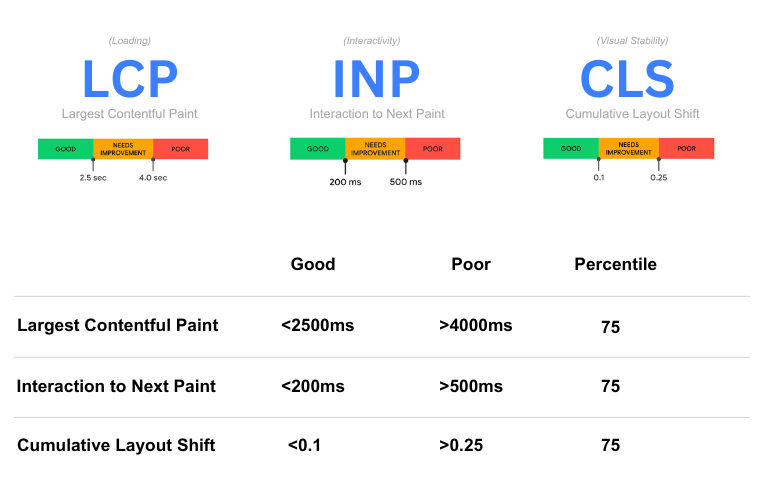
Additionally, Google reports that the likelihood of users bouncing increases by 32% when page load time rises from 1 to 3 seconds, highlighting the importance of fast-loading pages for retaining customers. To assess and improve your website’s performance, you can use Core Web Vitals, which measure key aspects of user experience:
-
Largest Contentful Paint (LCP): How quickly the main content loads
-
Interaction to Next Paint (INP): How fast the site responds to user interactions like clicks or taps
-
Cumulative Layout Shift (CLS): How visually stable the page is during loading
Beyond general website performance, B2B websites must also closely monitor the performance of key features that B2B customers frequently use, such as bulk ordering, reordering, and order import/export. It's essential for B2B companies to continuously monitor these actions for any errors or slowdowns, as issues in these critical workflows can directly impact customer satisfaction and conversion rates. Below are some best practices examples to help achieve high-speed website performance:
-
App & script optimisation:
-
Remove unused apps and leftover code.
-
Replace heavy apps with native B2B eCommerce website features (rebuild simple functions).
-
Prevent multiple apps from injecting into the same storefront areas (cart, PDP, header).
-
Defer non-essential app scripts to prioritise content loading.
-
Optimise images, video, fonts:
-
Images: Compress, resize, and use modern formats like WebP to reduce image load times and file sizes.
-
Videos: Avoid autoplay, use click-to-load embeds, and compress videos to minimise impact on performance.
-
Fonts: Limit font families, preload key fonts, and use system fonts or font-display: swap to improve loading speed.
-
Theme & site optimisation:
-
Audit and streamline theme structure: Remove unused templates, sections, and code.
-
Prevent layout shift: Set fixed dimensions for images, banners, pop-ups, and avoid invisible text on load.
-
Defer non-critical assets.
-
Use effective infrastructure and services like:
-
Hosting: Choose fast, reliable servers.
-
DNS: Opt for a fast and stable DNS provider.
-
Caching/CDN: Use content delivery networks to serve content closer to users.
-
Cybersecurity: Protect against attacks with security tools that filter threats without slowing down legitimate traffic.
Create an easy-to-navigate catalogue
A simple, clear, and logical navigation structure is essential for B2B eCommerce, where product catalogues are often vast, highly technical, and tailored to specific industries. Below are key best practices to create a navigation system that meets their needs:
-
Clear and industry-focused category structure:
-
Use a shallow hierarchy with broad, top-level categories that reflect how B2B buyers shop by industry, use case, or product function.
-
Group products based on logical applications (e.g., industrial parts, healthcare equipment, or wholesale packaging).
-
Implement breadcrumb navigation to provide users with context and allow quick backtracking within complex catalogues.
-
Consistent and informative category labels:
-
Ensure all labels are standardised and meaningful to B2B users, and avoid vague or overly branded terms.
-
Make every category and subcategory clickable, leading to curated product listings or informative landing pages (such as industry-specific hubs or compliance guides).
-
Align navigation labels with the terms used by your business consultation team and the customer’s procurement team to ensure consistency across channels.
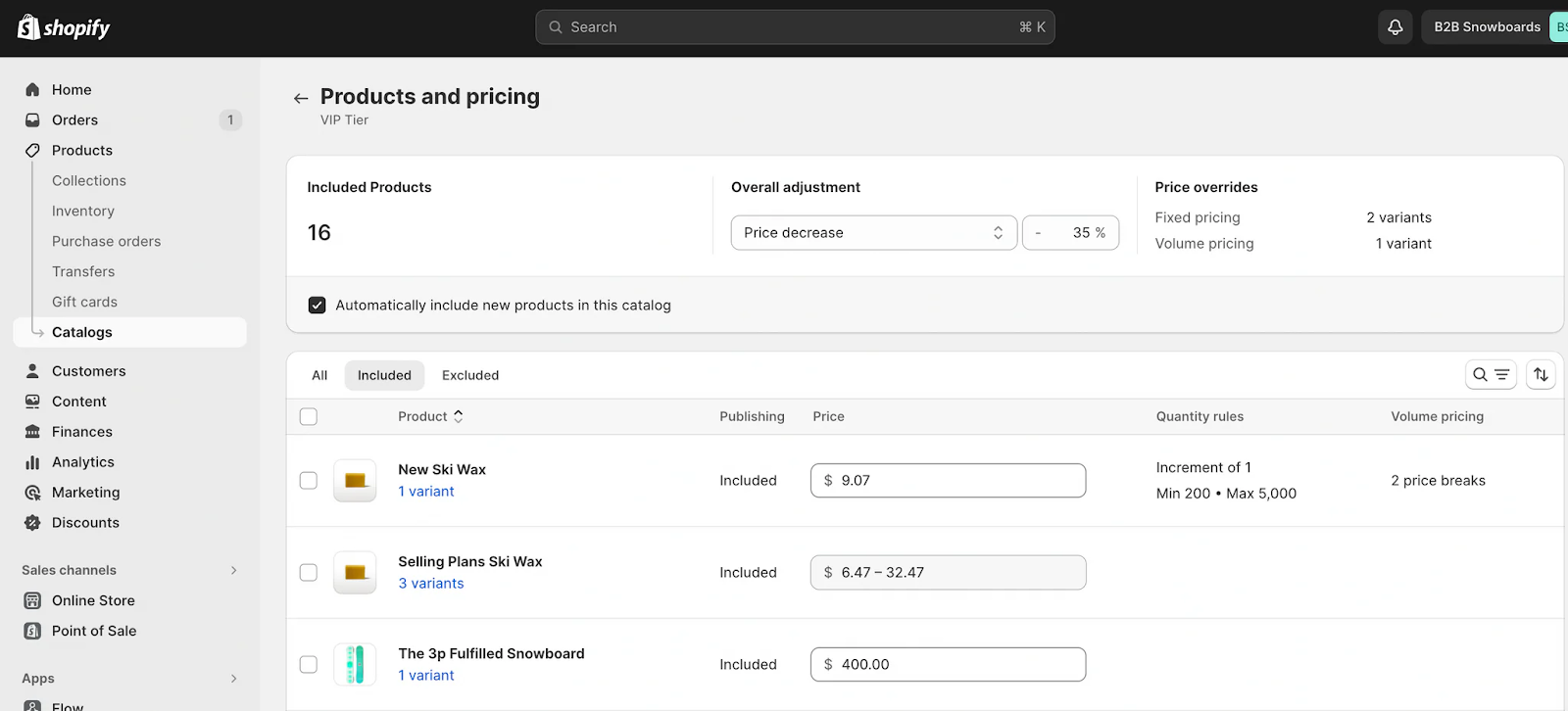
In addition, the entire catalogue needs to be personalised with relevant and accurate products and pricing agreed upon in each B2B buyer’s contract or deal. This helps customers find the products they want more quickly and prevents confusion during the purchasing process.
Enhance product discovery with advanced search
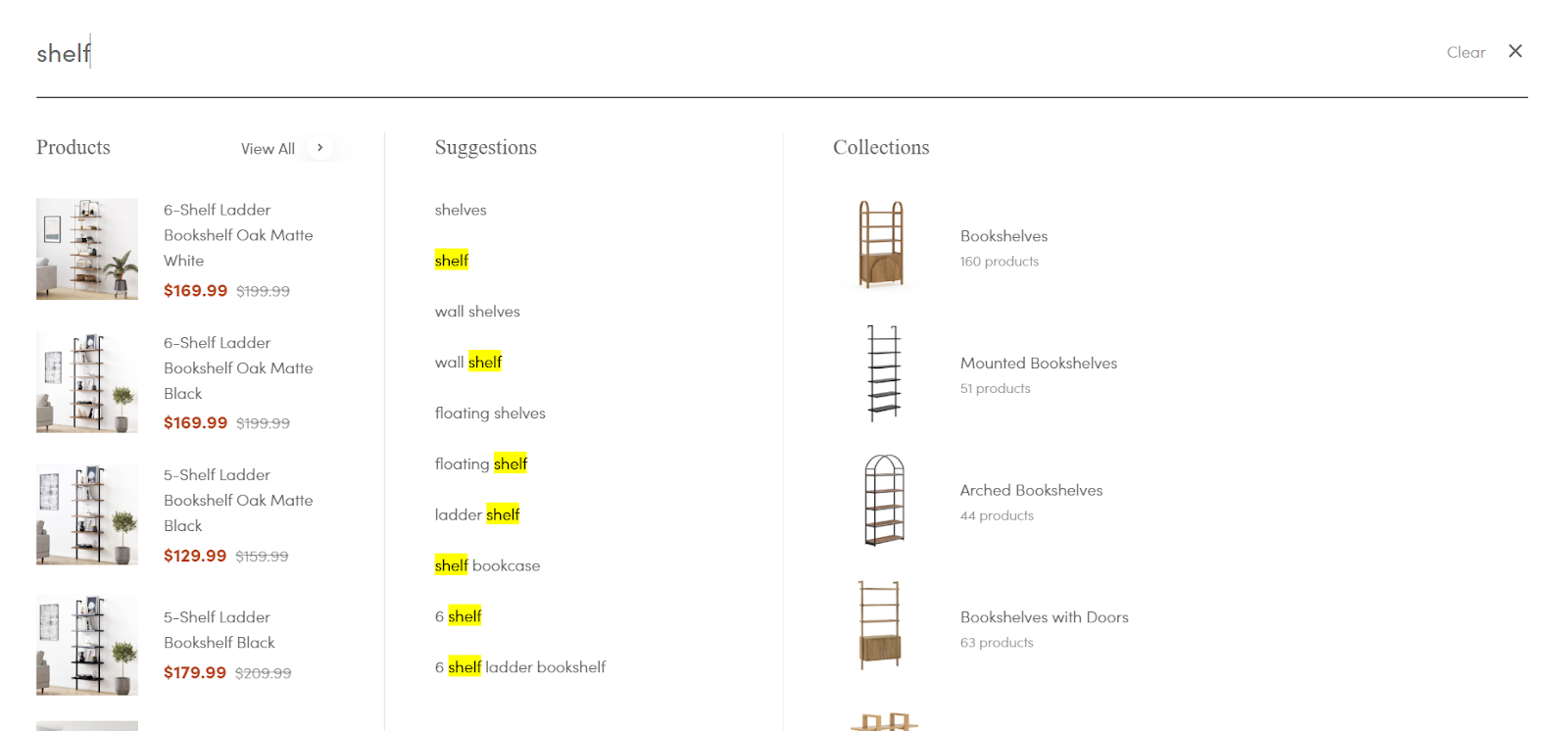
Unlike B2C shoppers, B2B users often have a clear intent and specific requirements, making fast, precise search functionality essential to streamline procurement. Below are some examples of practical B2B site search features:
-
Intelligent auto-complete and suggestions: As buyers type, the search bar should instantly provide relevant recommendations based on that client’s catalogue, frequently purchased items, buyer history, and common industry terms. This helps busy procurement teams quickly locate SKUs, product bundles, or categories.
-
Typo tolerance and synonym recognition: B2B users often use industry-specific terminology or vendor-specific part numbers. A smart search engine must accommodate common misspellings, abbreviations, and synonyms, ensuring accurate results regardless of variations in naming or differences in terminology.
-
Faceted search and filtering: Once initial search results are displayed, users can utilise robust filtering options based on product attributes like size, material,... to narrow down the results based on various product attributes.
Offer flexible payment and shipping options
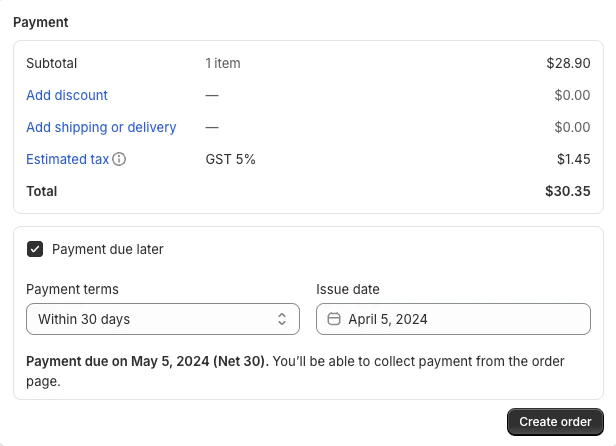
Offering flexible payment options is equally essential for B2B customers, as it directly influences purchasing decisions and fosters long-term loyalty. Below are some commonly required B2B payment methods:
-
Purchase Orders (PO): A common method for businesses to authorise purchases.
-
Credit Card Payments: For immediate transactions.
-
ACH/Bank Transfers: For larger transactions.
-
Net Terms: Allowing buyers to pay within a specified period (e.g., Net 30, Net 60).
Multiple shipping and delivery options should also be considered, as offering flexibility, such as shipping to multiple locations, scheduled deliveries, real-time freight quotes, and partial shipments, is essential for meeting the complex logistical needs of B2B customers.
Streamline re-order processes
A flexible and personalised re-order process is a strategic tool to reduce friction, encourage repeat business, and ultimately, drive your B2B eCommerce growth. Here's a breakdown of key B2B website features that contribute to this acceleration:
-
Quick reorder: Allows B2B buyers to instantly re-purchase previous orders with just a few clicks. It typically involves an easily accessible "Reorder" button on their account dashboard, order history, or even directly from past order confirmation emails.
-
Subscription program: Customers can subscribe to receive specific products or services at predefined intervals (e.g., weekly, monthly, quarterly). The system automatically generates and processes orders based on the chosen frequency, often with flexible options for skipping, pausing, or modifying subscriptions.
-
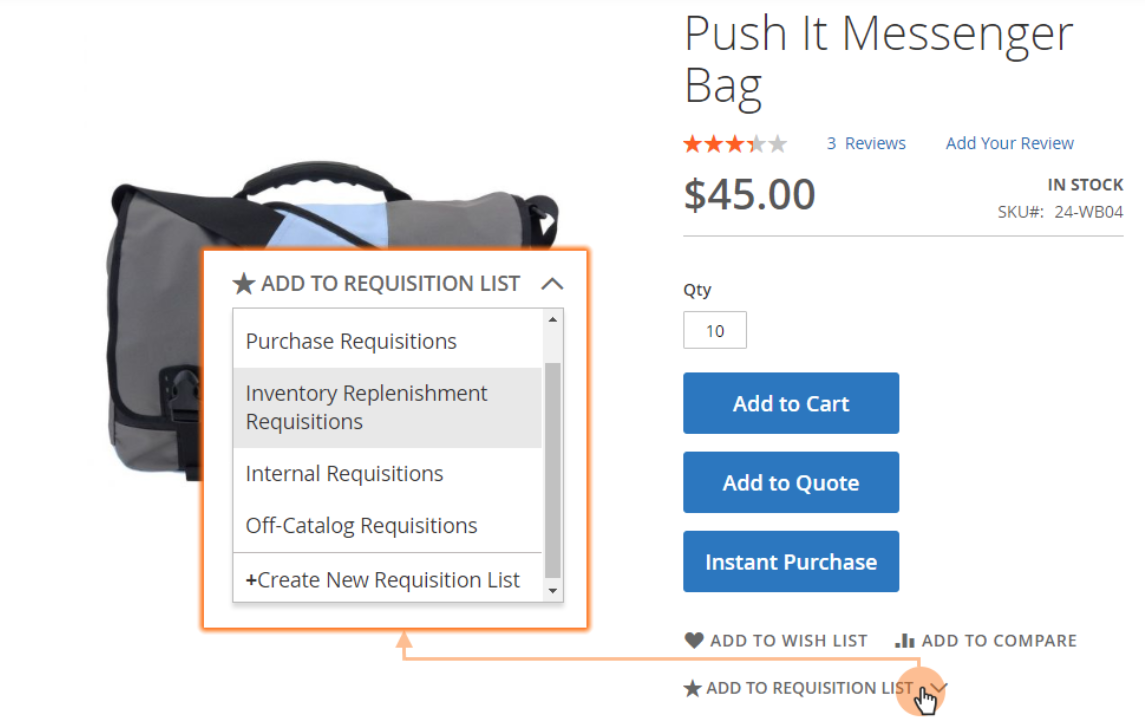
Requisition list: Users can create and save multiple lists of products they intend to purchase in the future. These lists can often be shared with other team members, edited collaboratively, submitted for internal approval, or converted directly into a cart for checkout by an authorised buyer.
Empower B2B buyers experience with self-service portals
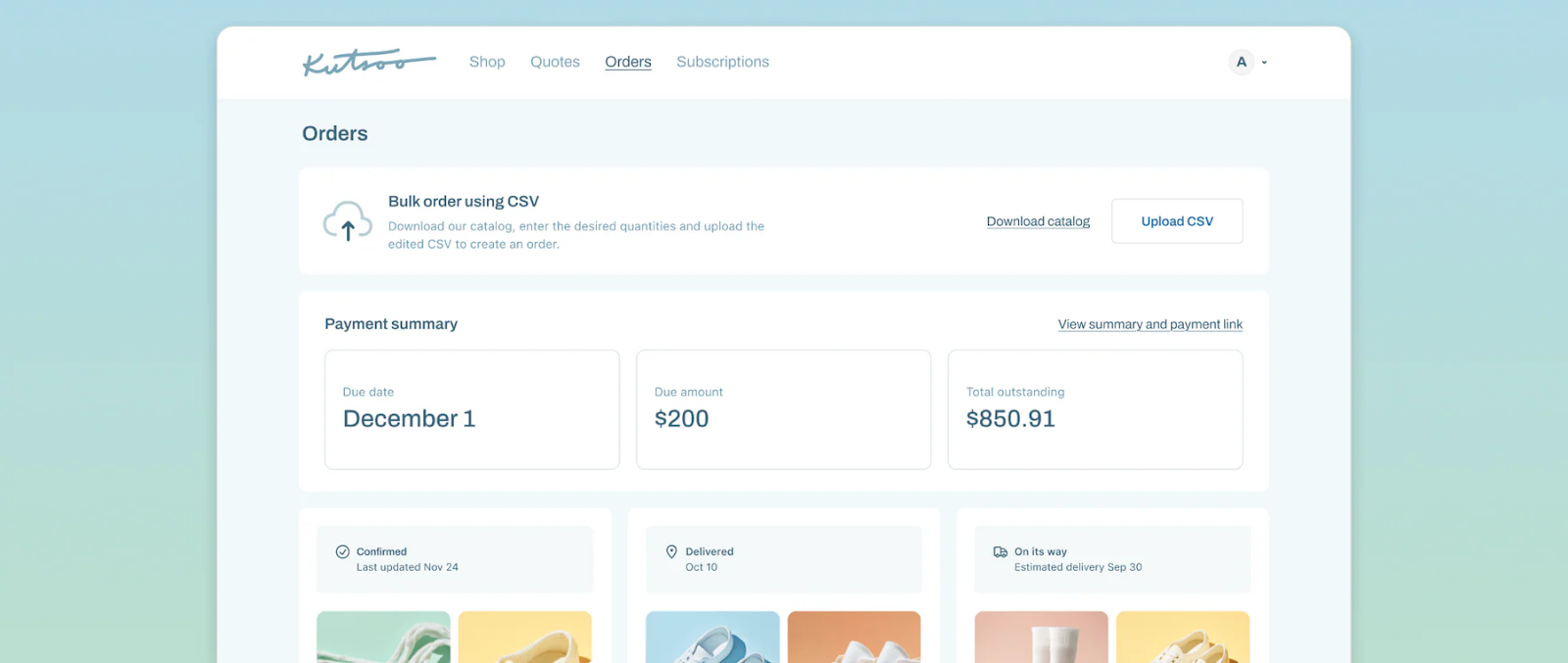
A self-service portal is a critical tool for meeting the expectations of today’s B2B buyers, who value efficiency and control. This secure, tailored hub enables customers to manage nearly every aspect of their interactions with your business without needing to contact a business consultant.
For best practices, B2B businesses should empower buyers to manage their accounts directly, place orders, access their complete order histories, view invoices, track shipments, and check real-time stock availability without requiring direct assistance.
However, while optimising self-service features is essential, it’s equally important to provide dedicated support for more complex needs. B2B businesses should offer access to a knowledgeable consultation team to assist with account setup, provide personalised guidance, and handle intricate orders or unique requirements, ensuring a seamless blend of automation and human support.
Implement role-based account management
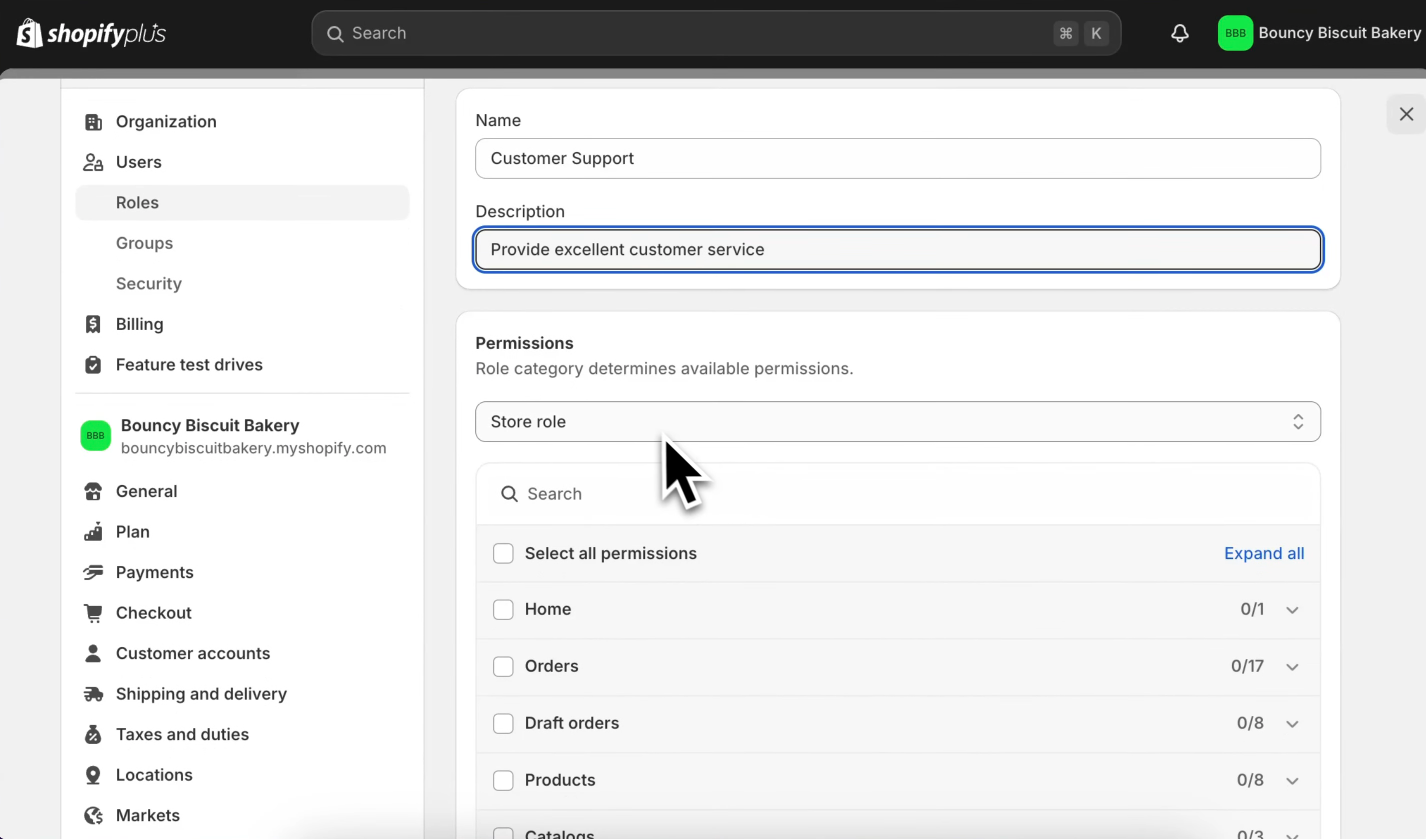
In a B2B environment, purchasing decisions are typically made by a team of individuals. Instead, multiple users within a buying organisation, each with specific roles and authority levels, collaborate throughout the procurement process. Role-based account management enables you to define distinct permissions and access levels for various users within a single company account. Key aspects include:
-
Define user roles: Each role is assigned a specific set of permissions. For example:
-
Purchasing buyer: can browse, add to cart and place orders within a defined budget and limit
-
Approval/manager: can review requisition lists, approve or reject orders placed by junior buyers, and potentially set spending limits for their team members.
-
Finance/accounting: can view invoices, payment history, and manage billing information.
-
Customise workflow: Many B2B setups require an approval workflow. A junior buyer might add items to a cart, but the order won't be processed until an authorised manager logs in and approves it. This mirrors the organisational structure of your B2B customers, making your eCommerce website a natural extension of their internal procurement processes.
Optimise for SEO
According to Gartner, B2B buyers spend approximately 27% of their purchasing journey conducting independent online research, often starting with a search engine. This underscores the importance of a strong SEO strategy for B2B eCommerce websites, which must be optimised not just for visibility but also for trust and relevance to complex buying decisions. Below are SEO best practices tailored specifically for the B2B landscape:
-
Target industry-specific, long-tail keywords: Focus on technical terms, product specs, or niche phrases that reflect how your B2B buyers search. For example, a supplier of commercial kitchen equipment might use terms like “bulk stainless steel prep tables for restaurants.”
-
Don’t overlook broader, general keywords: While niche keywords are critical, some B2B buyers may use broader terms similar to B2C queries. For example, in the case of a kitchen equipment company, targeting phrases like “restaurant supply store” or “wholesale kitchen equipment” can help attract buyers in the early research phase. A balanced keyword strategy ensures comprehensive visibility across all stages of the buying process.
-
Create high-value content for decision-makers: Publish targeted content, such as whitepapers, solution guides, and case studies, that directly address pain points across the buyer's journey, from awareness to evaluation.
-
Align content with B2B search intent: Ensure that every page satisfies the specific intent behind a user’s query. Instead of marketing fluff, provide actionable information, such as technical documentation or solution comparisons, that directly addresses business goals. For instance, a wholesale kitchen equipment supplier targeting “bulk commercial ovens for bakeries” should include detailed comparison charts of oven models, energy efficiency data, and order minimums, all the content that helps procurement teams make informed decisions.
-
Optimise product and category pages: Use clear, keyword-rich titles, meta descriptions, and structured data. Include detailed specs, FAQs, and supporting content.
-
Build a logical site structure and internal linking: Make it easy for both users and search engines to navigate. Use breadcrumbs, siloed categories, and contextual links between related SKUs, accessories, and guides.
-
Improve technical SEO: Ensure clean URLs and code that is crawlable. Fix broken links and duplicate content from variant SKUs.
-
Earn authoritative backlinks: Gain links from industry sites, directories, partners, and through PR or guest content to boost domain authority.
-
Leverage schema markup: Add structured data to product pages, reviews, and FAQs to enhance visibility in search results with rich snippets.
-
Track performance with analytics and SEO tools: Use Google Search Console, GA4, and SEO platforms (e.g. Ahrefs, SEMrush) to monitor rankings, clicks, and technical issues.
A well-structured B2B SEO strategy helps you connect with the right buyers at every stage of their research journey - from discovery to decision. At On Tap, we specialise in eCommerce SEO that’s built for scale, combining strategic keyword targeting, technical optimisation, and content that speaks to real buyer intent. Learn how our digital marketing services support end-to-end SEO - from strategy to optimisation, content, and performance tracking.

Develop targeted B2B marketing strategies
Beyond SEO, attracting and retaining customers on your B2B eCommerce website requires a broader, more strategic marketing approach. Below are some best practices to consider:
-
Paid advertising:
-
Industry-specific search ads: Bid on exactly technical or product-specific keywords relevant to your B2B offering (e.g., “bulk industrial valves supplier”).
-
Retargeting: Re-engage users who have viewed pricing, requested a quote, or abandoned their cart with relevant follow-up messages.
-
Partner referral program: Encourage partners to refer or direct traffic to your eCommerce site by offering discounts, commissions, or other rewards for digital engagement.
-
Email marketing:
-
Segment by account type: Tailor messaging for different customer types, such as enterprise buyers, SMBs, or resellers.
-
Automated flows:
-
Lead nurturing (product education, use cases)
-
Reorder reminders or frequently purchased items
-
Contract renewal or subscription prompts
-
Personalised recommendation: Suggest relevant products based on purchase history or industry segment.

Leverage AI across the eCommerce website
With the rapid advancement of AI, B2B eCommerce websites should fully leverage their capabilities to stay competitive. AI can be applied across various parts of the eCommerce experience to drive efficiency, personalisation, and more intelligent decision-making. Below are some best practices businesses can adopt:
-
Intelligent product recommendations: Leverage AI to deliver highly relevant product suggestions based on customer behaviour, purchase history, and industry-specific needs. For instance, businesses can automatically recommend compatible parts, accessories, or replenishment items tailored to each customer segment.
-
Advanced analytics: Use AI-powered analytics to uncover hidden patterns in buyer behaviour, predict future actions with high accuracy, and continuously refine models using machine learning. This enables more informed business decisions and deeper customer insight.
-
AI for sales enablement: Equip your sales teams with AI tools, such as a private ChatGPT interface connected to internal data sources. This allows staff to ask business questions, analyse customer data, and retrieve relevant insights from a single conversational interface, significantly boosting productivity.
-
AI chatbot for customer support: Implement an AI-driven chatbot explicitly trained on your company’s products, policies, and workflows. A well-trained bot can assist B2B customers 24/7, providing support with complex inquiries, order status, and product information without requiring human intervention.
-
AI for content generation: Generative AI can help merchants create product descriptions, blog content, email copy, and more (based on internal data and contextual understanding from large language models), ensuring both accuracy and relevance at scale.
To unlock the full potential of AI in B2B eCommerce, explore our AI services explicitly tailored to enterprise needs.

Choose a reliable and professional partner
Implementing an online store for business clients is a complex undertaking. It requires an extensive, relatively sophisticated system with a high level of accuracy to meet the expectations of demanding B2B customers. If your in-house development team lacks the necessary resources or expertise, it's advisable to partner with a B2B eCommerce agency that specialises in building digital stores. This ensures a smoother and more effective launch, helps optimise project timelines, and allows your internal team to focus on other critical operational tasks.
When selecting a partner, it is recommended to look for a proven track record in delivering successful B2B eCommerce projects. The right agency will not only understand the unique complexities of B2B workflows but also offer tailored end-to-end solutions that align with your specific business operations and customer needs. Additionally, they should be able to provide long-term strategic guidance to support your business growth over time.

B2B eCommerce best practices case study: Dalfilo
To better understand how best practices translate into real-world success, let’s examine a case study that illustrates how the effective implementation of B2B eCommerce strategies can drive business growth.
Overview
Launched as a digital-first brand in early 2021, Dalfilo has continuously operated as a direct-to-consumer digital brand specialising in handcrafted Italian home textiles. With a strong emphasis on quality, craftsmanship and customer experience, the brand quickly gained traction among consumers seeking premium, authentic products.
Challenge
As Dalfilo sought to expand its growth and reach new customer segments, this brand required a flexible and integrated platform to support both online B2C and B2B eCommerce, as well as physical retail. A scalable solution was essential, one that could grow with the business without constant technical overhauls.
Without an integrated commerce platform, they risked fragmented operations, inaccurate inventory management, and a compromised premium customer experience, the very factor that had driven their early success.
Solution
To address that need, they developed and implemented the following strategies on their eCommerce website.
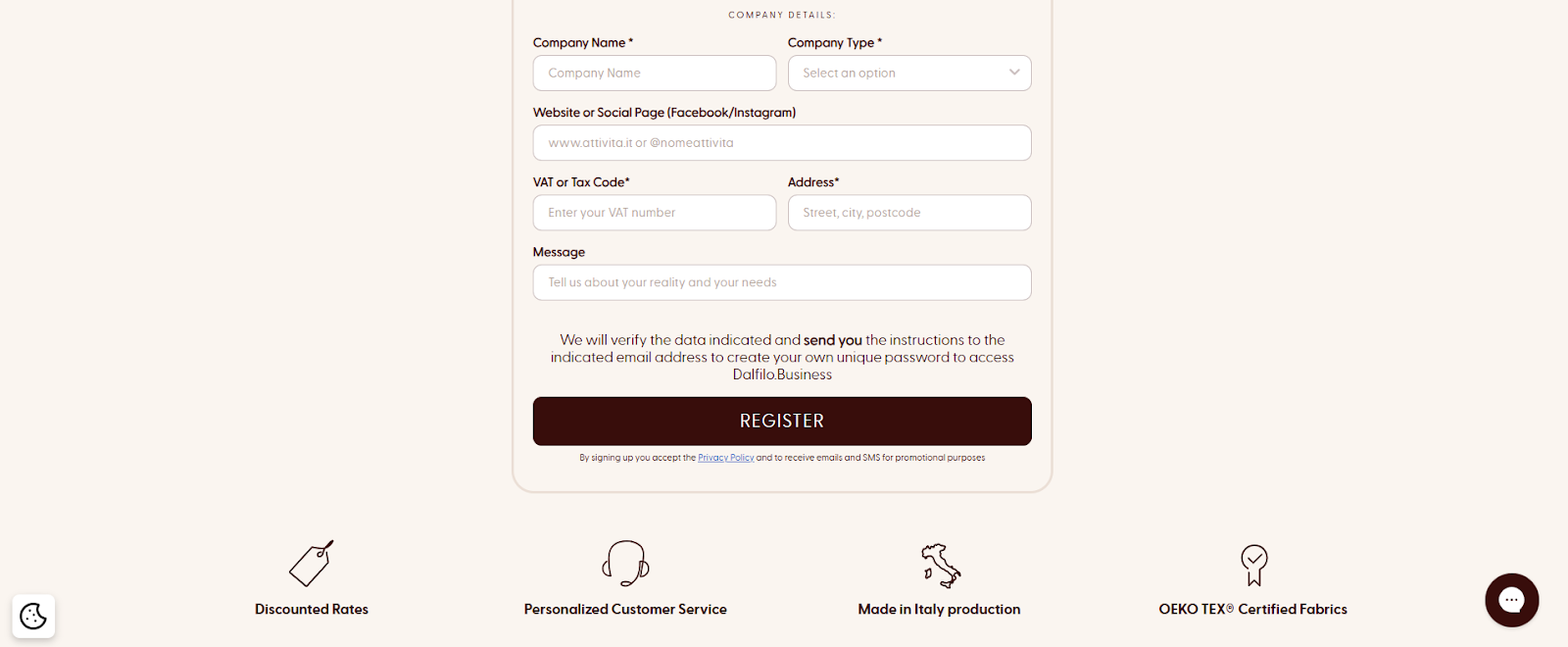
B2B Dedicated Portal: Dalfilo Business is a dedicated portal specifically designed for business customers, including hotels, B&Bs, architects, designers, and more. This portal offers:
-
Self-service functionality allowing B2B customers to place orders directly via the website
-
Exclusive discounts for bulk purchases
-
Dedicated customer service and support from the Dalfilo team
Integration:
-
API integration: Streamlined inventory management and logistics across a 1,000 m² warehouse. This enhanced backend operations and ensured accurate stock levels across all sales channels.
-
Native Shopify integration: Connected seamlessly with payment providers, third-party apps, and CRM tools to streamline overall operations.
Personalisation and Automation:
-
Shopify Scripts: Enabled dynamic and personalised checkout experiences.
-
Shopify Flow: Automated workflows, such as initiating actions when a new order is created, support Dalfilo’s cross-selling strategies.
Results
With these strategic applications, Dalfilo experienced rapid and measurable results:
-
Achieved over 1,000% growth in just four years
-
Reached 110,000+ customers across Germany, Austria, Switzerland, Spain, and the UK
-
Garnered over 10,000 reviews with an average rating of 4.6/5
Conclusion
This article presents 14 strategic best practices to support the growth of your B2B eCommerce website, complemented by emerging industry trends and a case study from Dalfilo to showcase how these principles translate into real-world success. When implemented correctly and thoughtfully, these best practices can help businesses achieve greater operational efficiency, improved customer satisfaction, and sustainable revenue growth in an increasingly competitive digital landscape.
As emphasised, collaborating with experienced B2B eCommerce professionals is essential to ensure that each strategy delivers its intended impact. As a proud member of the B2B eCommerce Association, On Tap brings 19 years of experience and a team of over 400 specialists to provide full-service, end-to-end B2B solutions tailored to your unique business needs. Get in touch with our team today to start building a smarter B2B digital commerce experience.